
Plant Design and Engineering for San Francisco Businesses
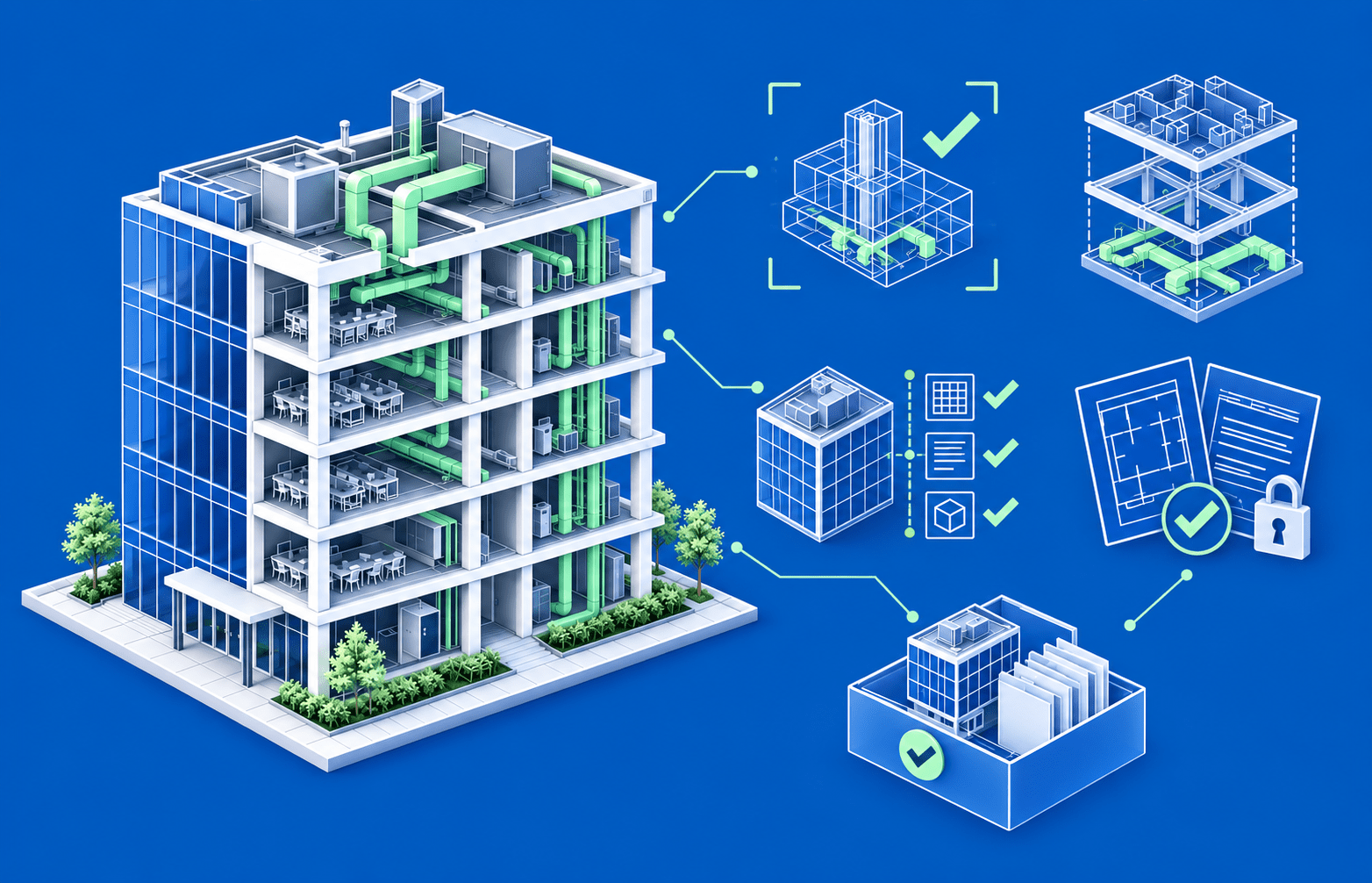
Developing a production facility requires decisions about the process, the equipment and the infrastructure connecting them. We bring those decisions together through plant design and engineering for new installations, expansions and operating-facility upgrades.
San Francisco’s manufacturing economy includes advanced production and established local industries, while the wider Bay Area adds a broader industrial and life-sciences base. Projects across these settings can differ considerably in scale, maturity and facility requirements.
Our plant engineering services in San Francisco give owners, EPCs and equipment manufacturers a coordinated technical team for that work. We develop layouts, utility systems, equipment interfaces and engineering documentation, with the scope shaped around your project’s current stage and the decisions still ahead.
Establishing Engineering Requirements for San Francisco Projects
We agree the design basis with your team, including operating conditions, equipment requirements, applicable standards and owner specifications. Where inputs are still developing, assumptions and affected interfaces are recorded for review. For alterations to existing facilities, we coordinate with the owner’s appointed site professionals to establish building constraints, approval responsibilities and the technical information required from each party.
Industries We Serve in San Francisco and the Wider Market
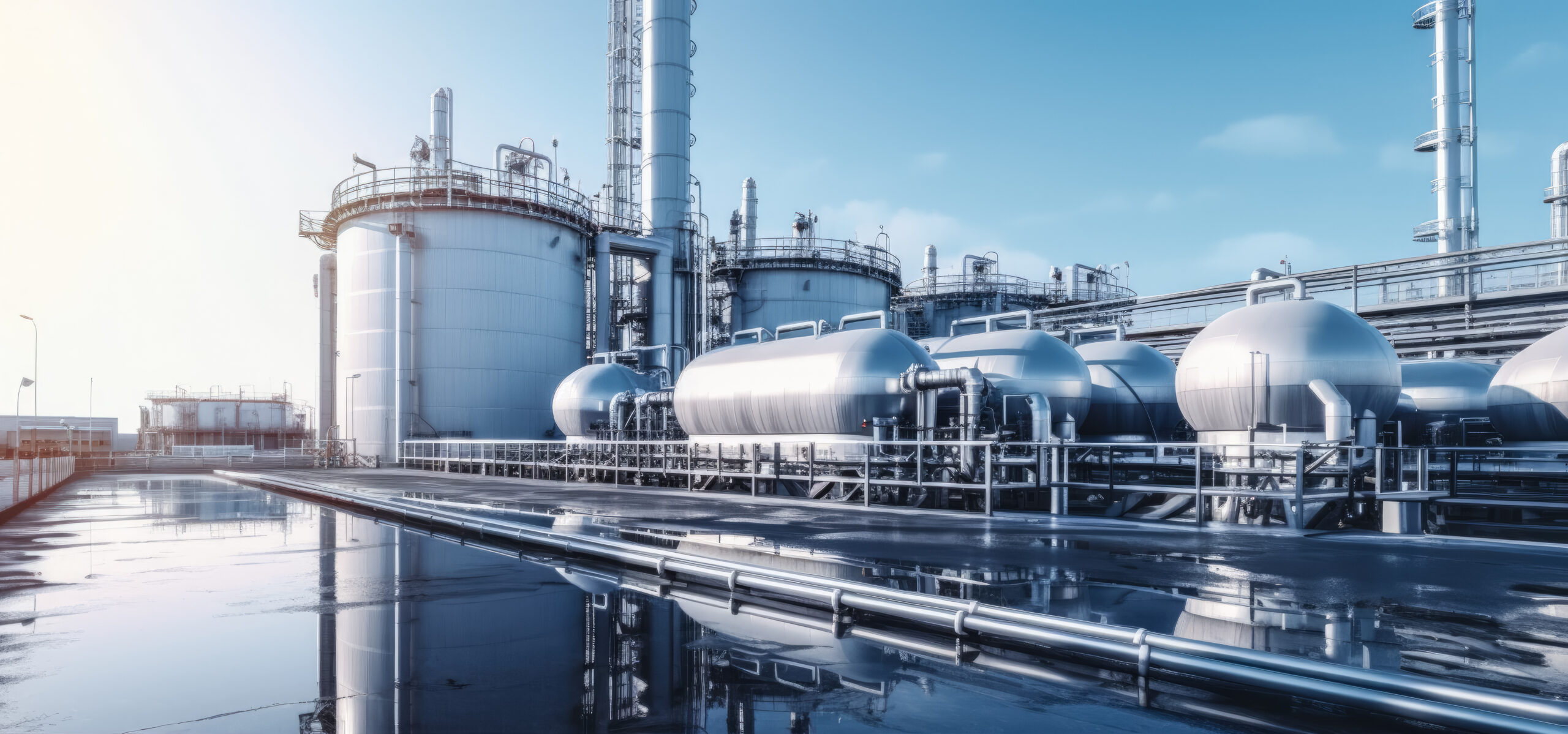
Our sector capabilities cover manufacturing, process industries, utilities and energy. We apply them to local facility projects and to assignments managed by San Francisco-based teams elsewhere. The engineering scope follows the asset’s requirements, whether that involves specialized production equipment, a utility upgrade or a larger process installation.
Oil and Gas/ LNG
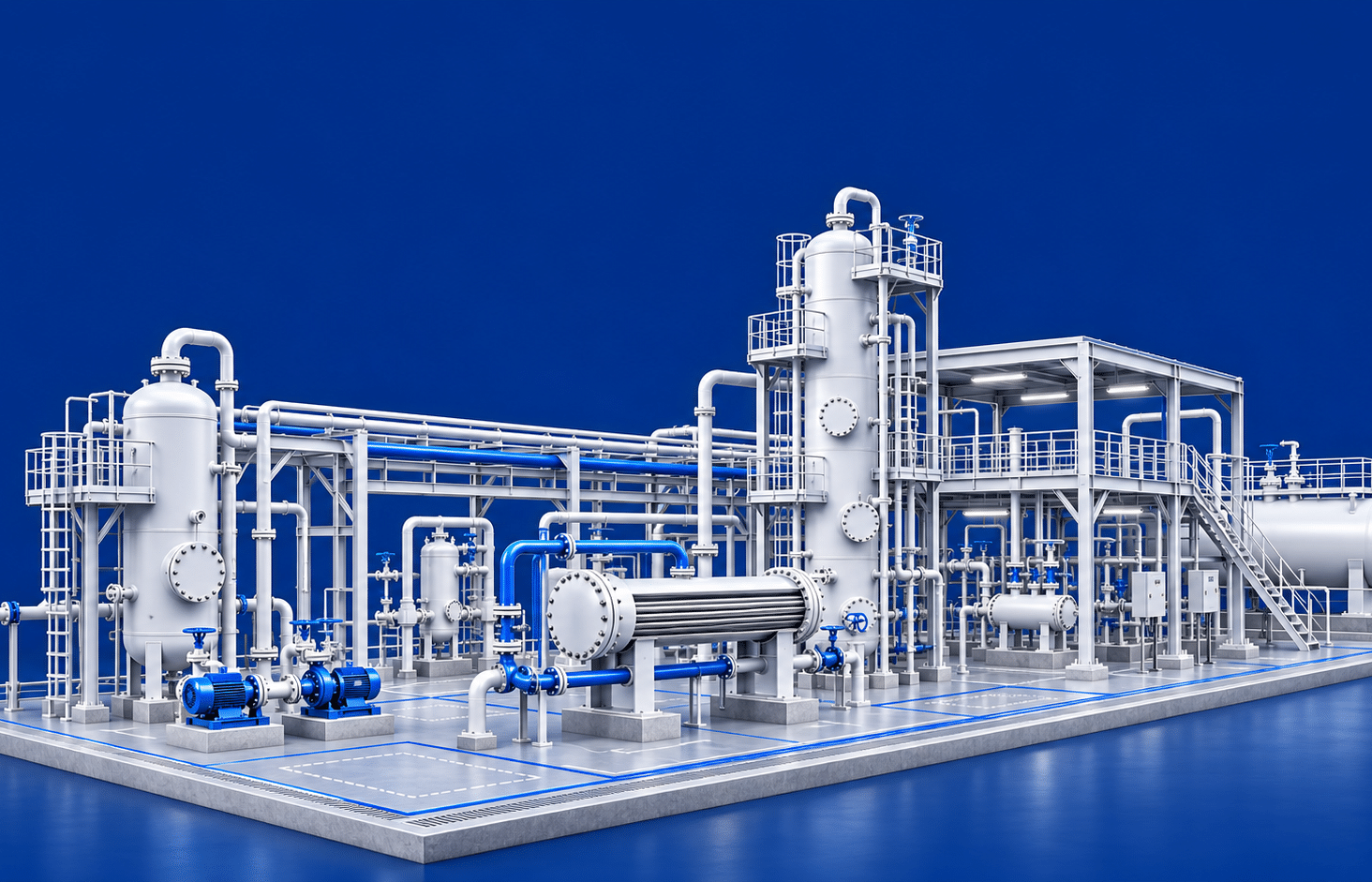
For oil, gas and LNG projects, we develop the plant interfaces around process equipment and vendor packages. Piping arrangements, utility connections and instrumentation inputs are coordinated with mechanical and structural requirements. Reviews establish package boundaries and identify the information needed to complete procurement and installation drawings.

Chemicals / Petrochemicals
A process change can alter piping requirements, equipment connections and utility consumption. Our piping design services address these relationships through coordinated layouts, specifications and technical reviews. For chemical installations, material compatibility, operating conditions and access for inspection inform both new designs and modifications to existing systems.

Discrete Manufacturing
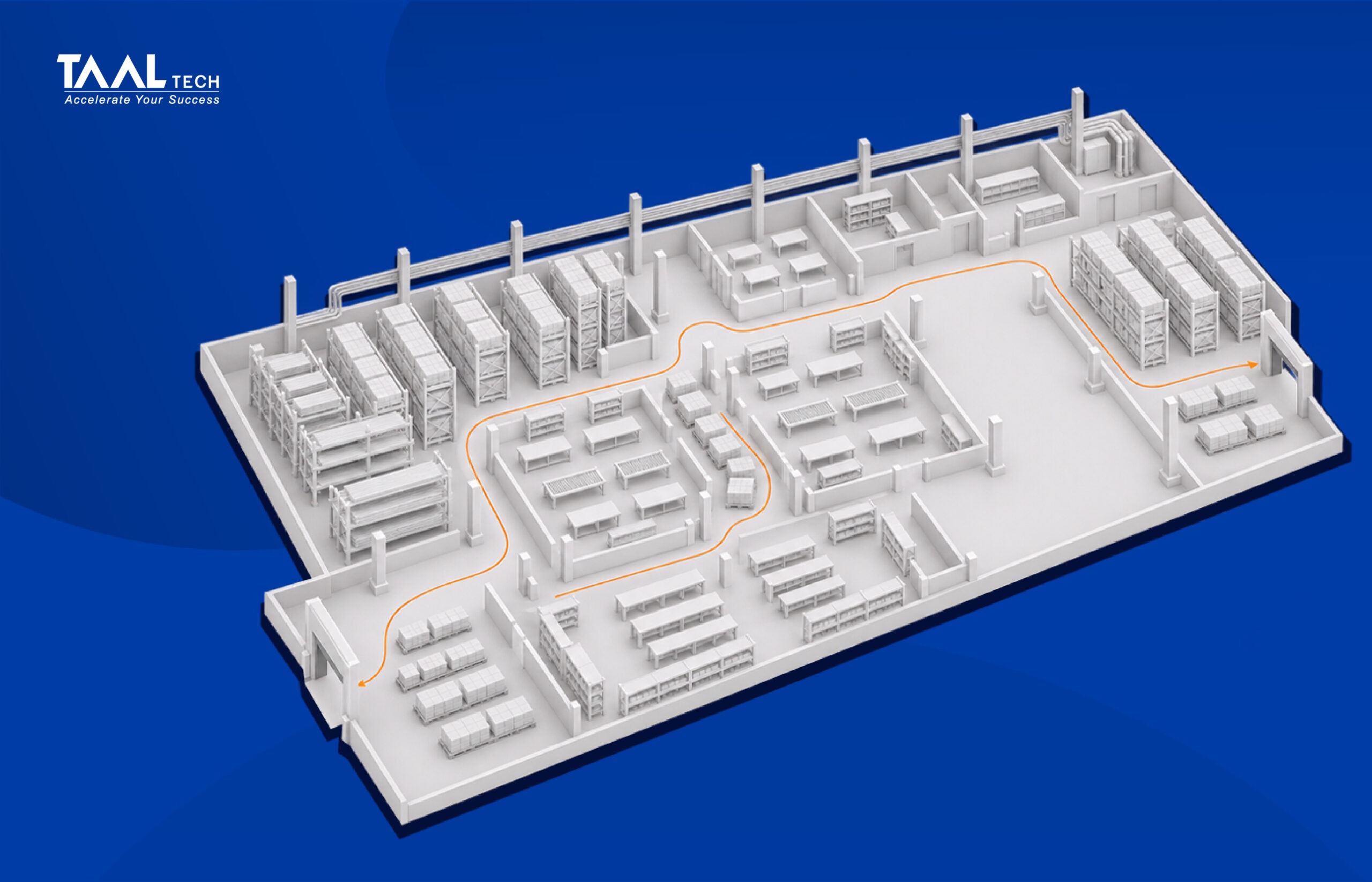
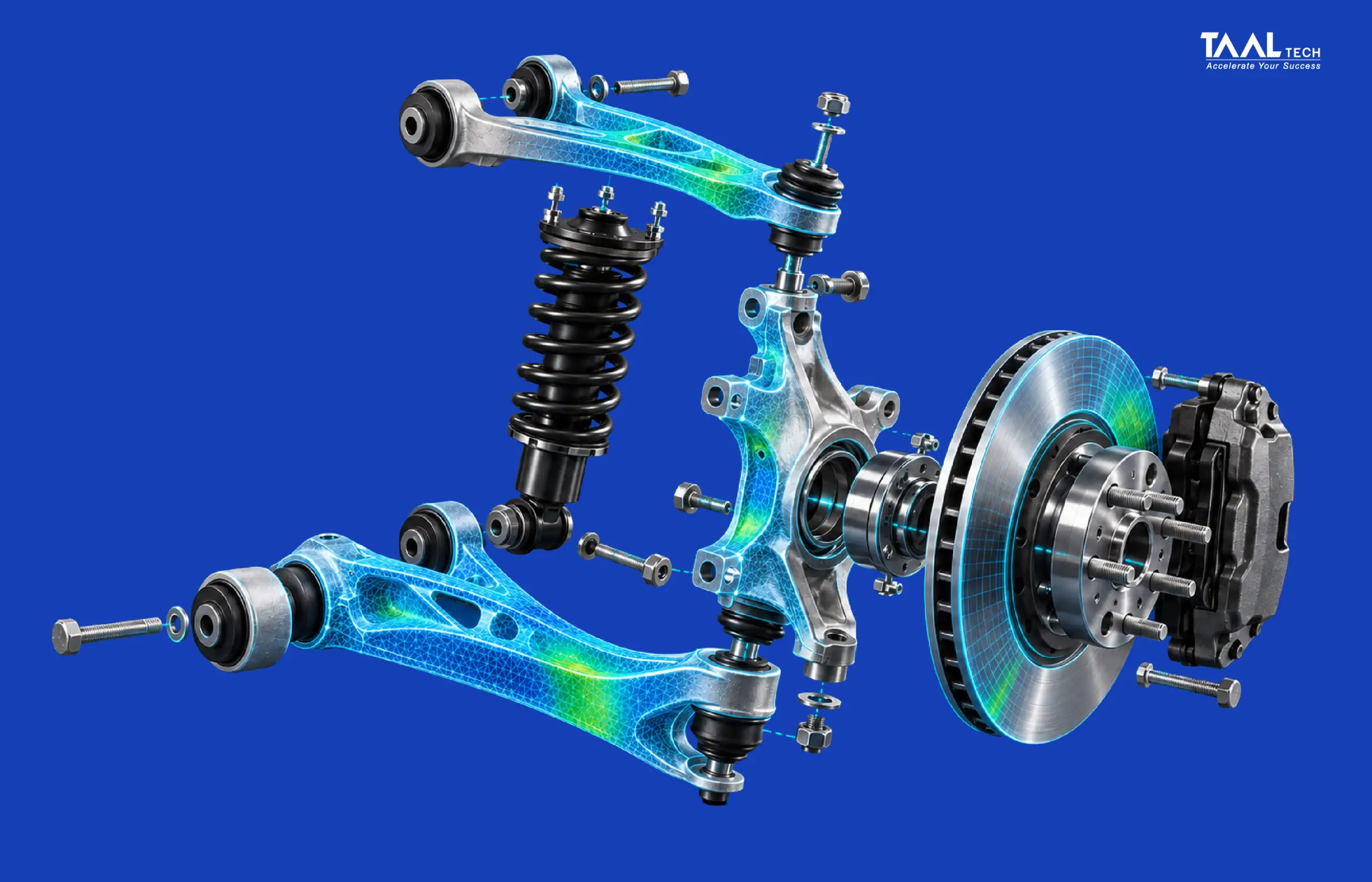
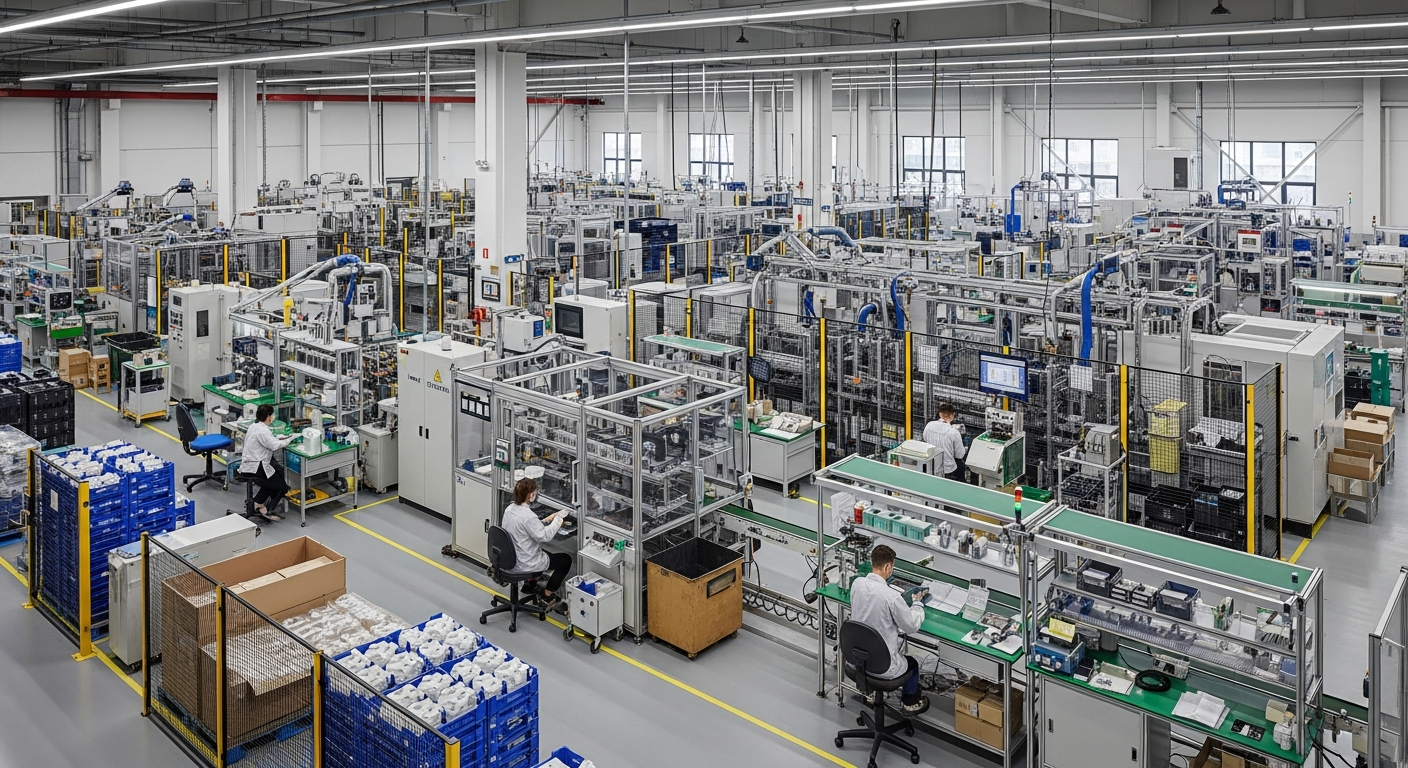
San Francisco’s advanced manufacturing activity includes businesses using automation and precision processes. We coordinate machinery layouts with electrical distribution, compressed air, ventilation and structural interfaces. Where production configurations may evolve, the design can accommodate agreed provisions for future equipment, service connections and maintenance access.
Power and Utilities
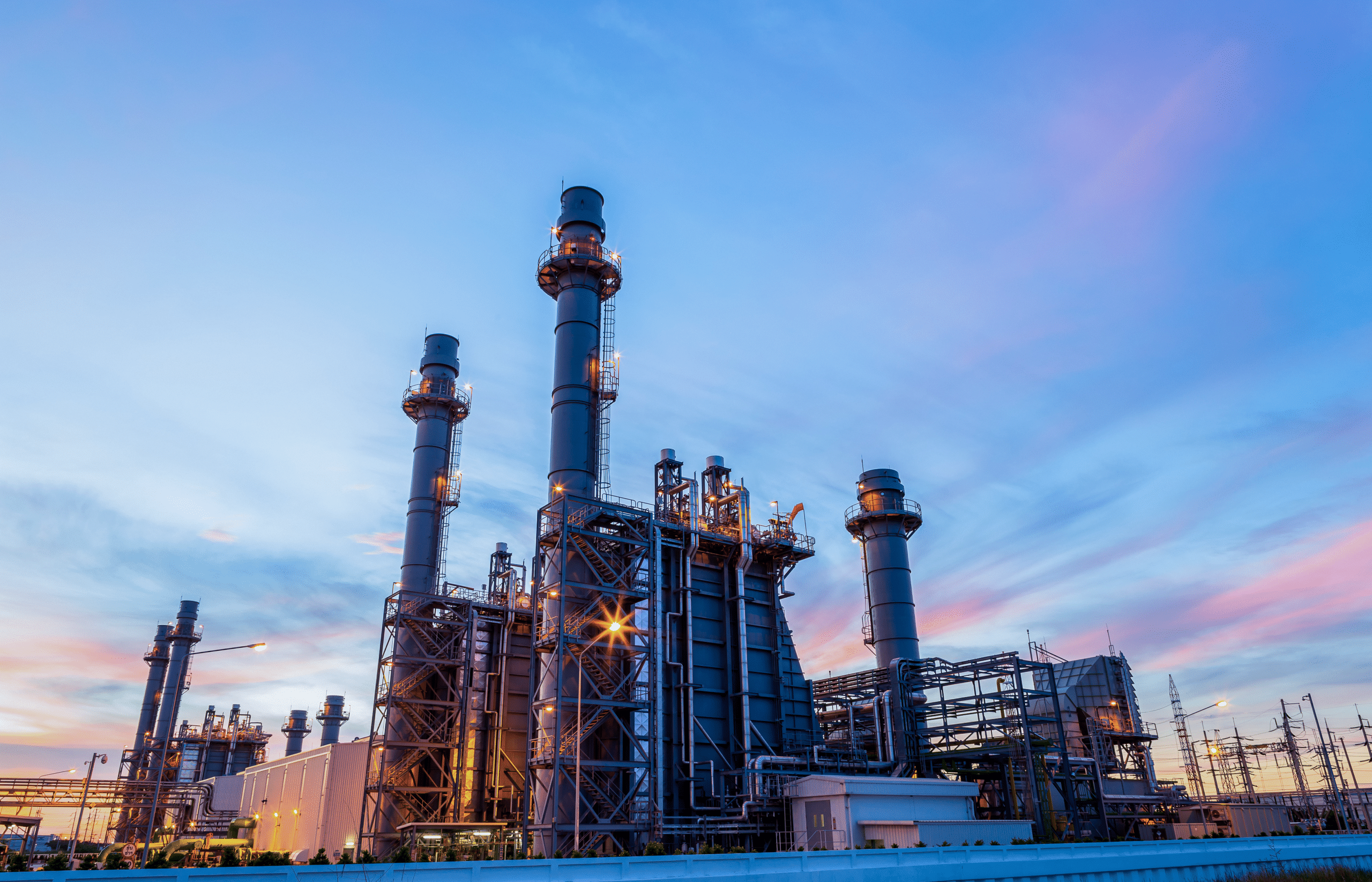
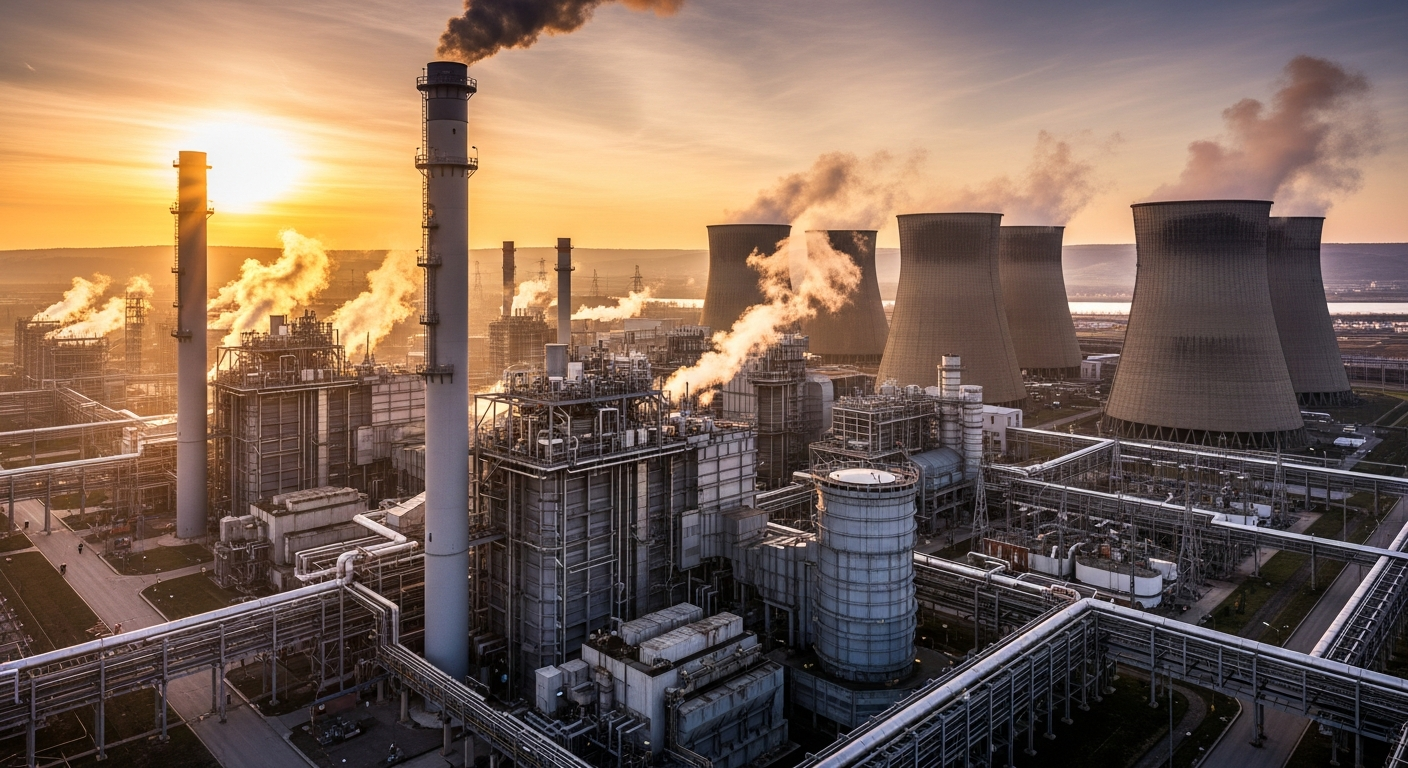
Utility systems need to reflect how the facility will operate across its defined load cases. Our balance-of-plant engineering covers cooling water, steam, compressed air and electrical interfaces. We examine equipment demand, distribution arrangements and available capacity, then develop the engineering required for new connections or system modifications.
Mining and Minerals
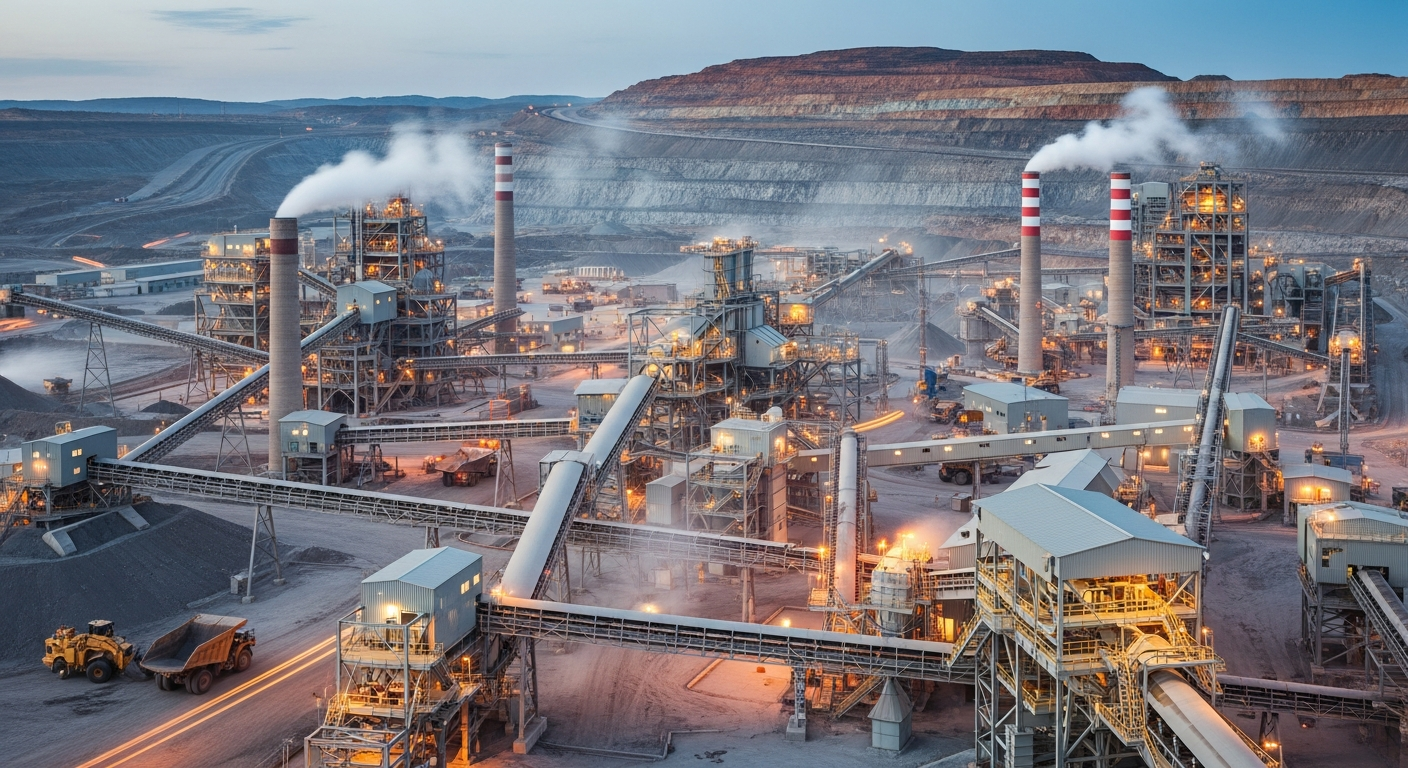
Our work on mineral-processing facilities brings equipment arrangements, material-handling interfaces and plant services into a coordinated layout. Maintenance routes and component-removal space are considered alongside structural and piping requirements. Assignments can range from a defined equipment package to modifications across several connected processing areas.
F&B
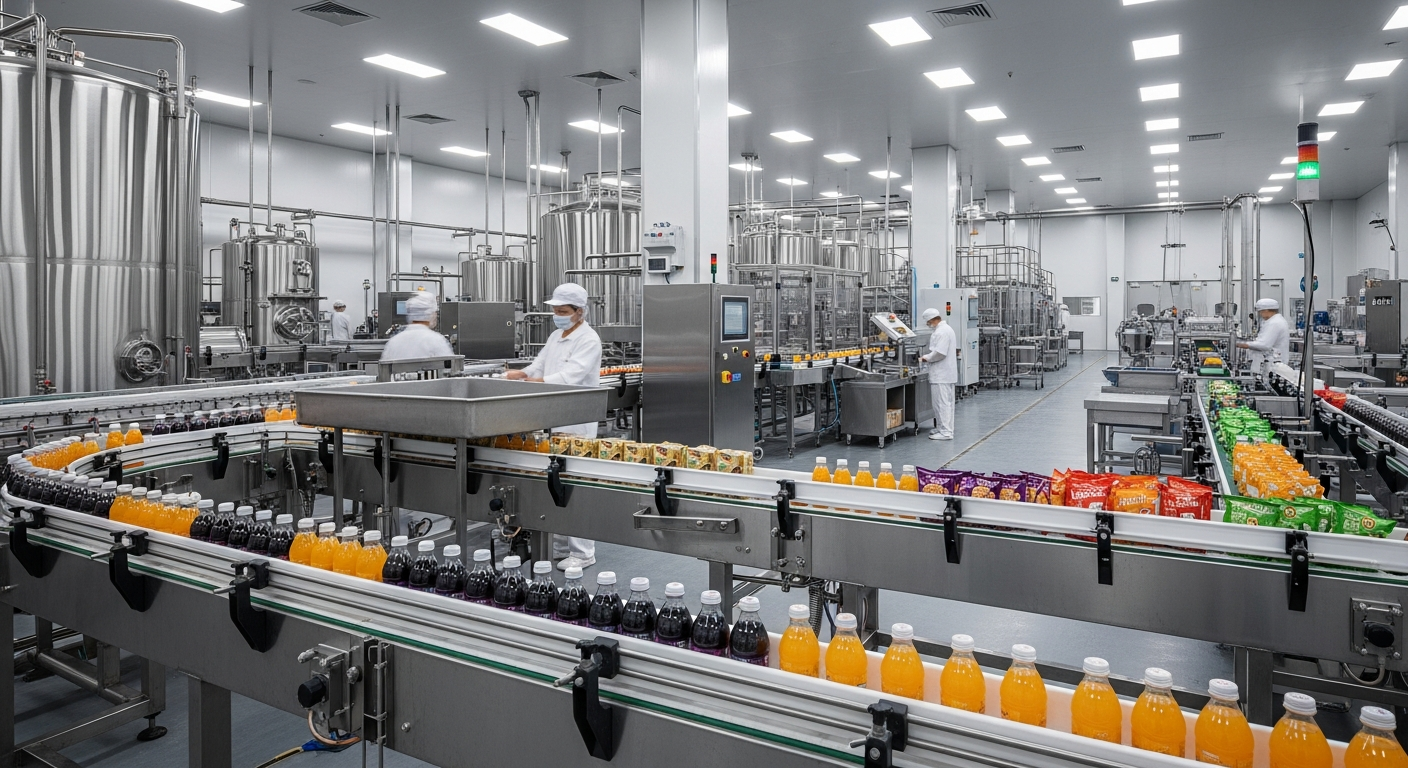
Food and beverage production forms part of San Francisco’s established manufacturing base. We develop processing layouts, piping and utility connections around product requirements, cleaning provisions and available space. For equipment additions, the review extends to packaging interfaces, storage arrangements and material movement through the existing facility.
Renewable Energy
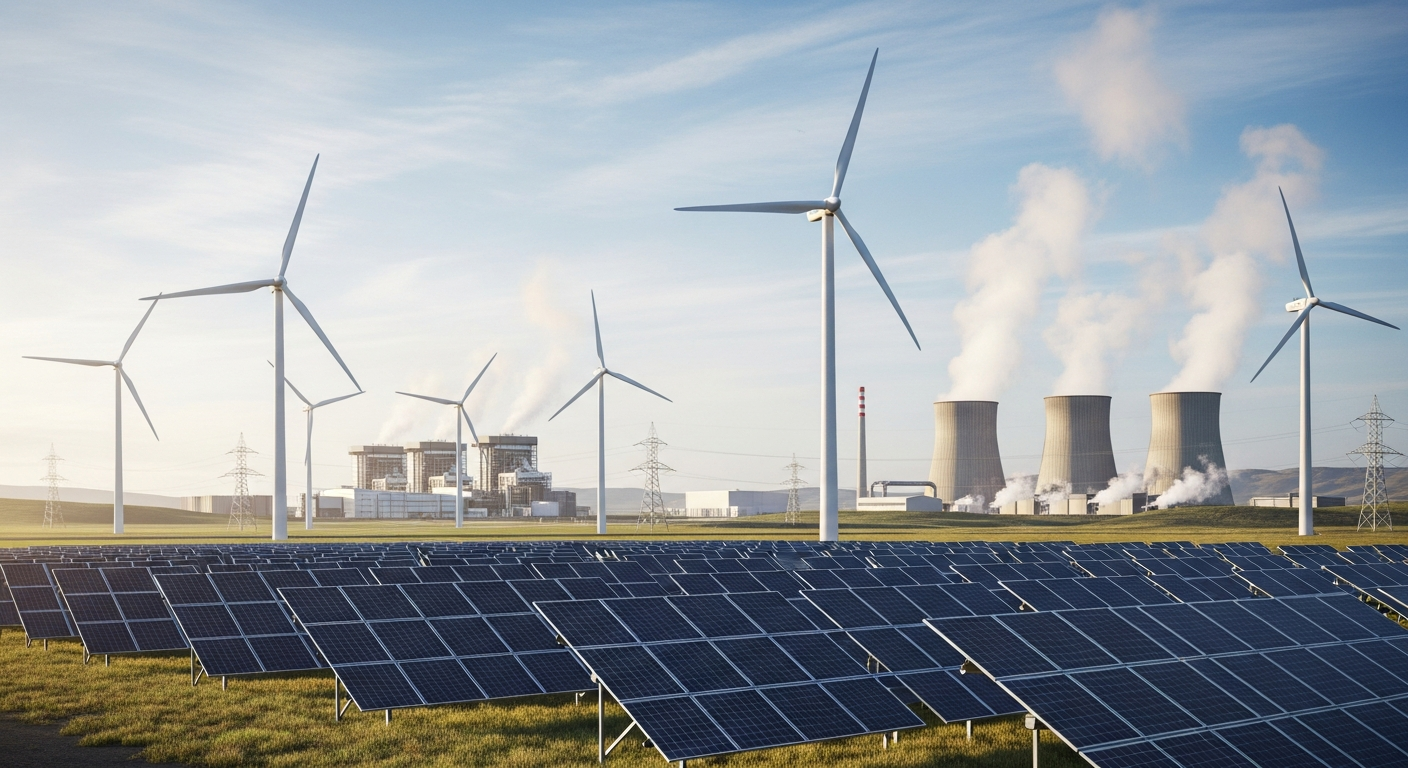
Moving an energy technology into a facility introduces requirements beyond the core equipment. We engineer utility connections, mechanical layouts and structural and electrical interfaces within the agreed scope. For pilot installations and subsequent expansions, documented package boundaries help distinguish what remains unchanged from what requires further design.
Pharma (API)
The Bay Area’s life-sciences sector includes the biotechnology cluster in neighboring South San Francisco. For pharmaceutical and API assignments, our scope covers equipment arrangements, utility layouts, HVAC interfaces and engineering records. Process and quality requirements guide coordination with the owner’s specialists, equipment suppliers and validation teams.

Engineering Services for San Francisco Plant Projects
Some projects arrive with an approved process and selected equipment. Others need further definition before either can be finalized. We align our engineering work with that starting point, establishing deliverables and review milestones that connect design development with procurement, installation and future plant changes.
FEED Support
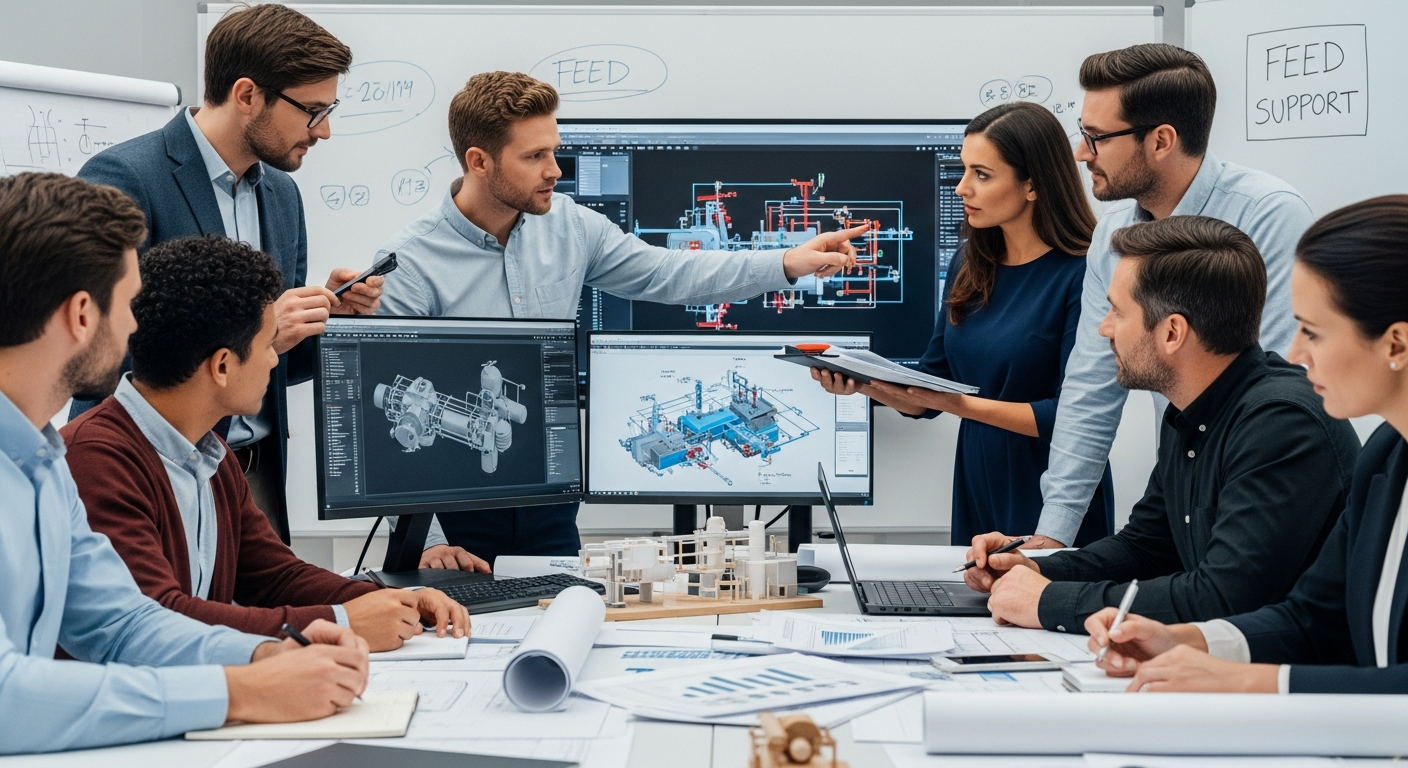
Define the facility requirements before detailed design commits them to drawings. Our FEED support develops layout concepts, preliminary utility needs and equipment interfaces. For projects progressing beyond a pilot installation, we examine the proposed operating basis and identify which assumptions require confirmation before the next stage.
Detailed Engineering
We prepare the calculations, drawings, specifications, datasheets and material take-offs needed to execute the agreed design. Our detailed engineering services coordinate vendor inputs with discipline requirements, keeping revisions traceable. Deliverable reviews focus on technical consistency and the information required for each procurement or construction activity.
Discipline Engineering
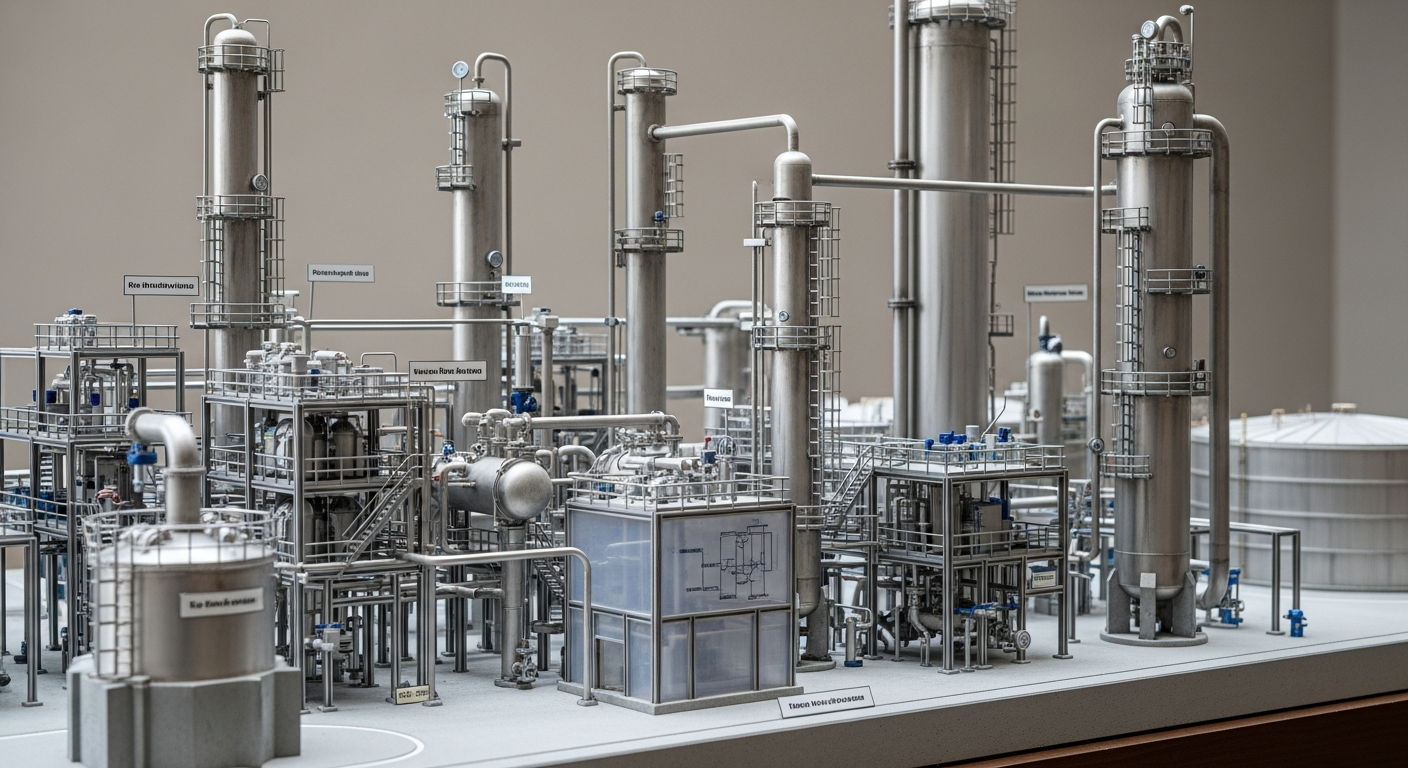
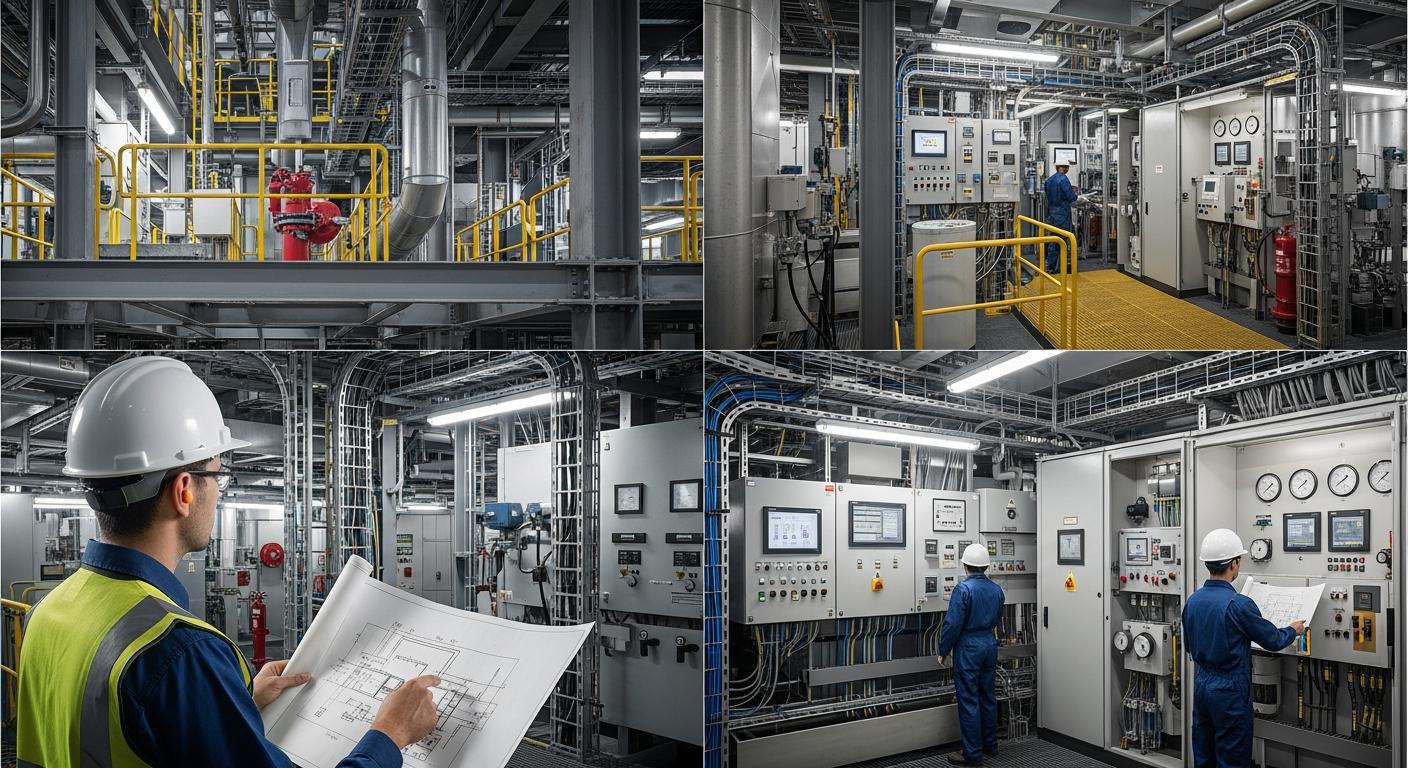
Mechanical, piping, civil, structural, electrical, instrumentation, HVAC and fire-protection disciplines work from a shared set of project inputs. Interface reviews address where their designs meet, including equipment loads, service routes and access clearances. Agreed changes are carried through the affected documents rather than remaining isolated within one discipline.
Procurement Assistance
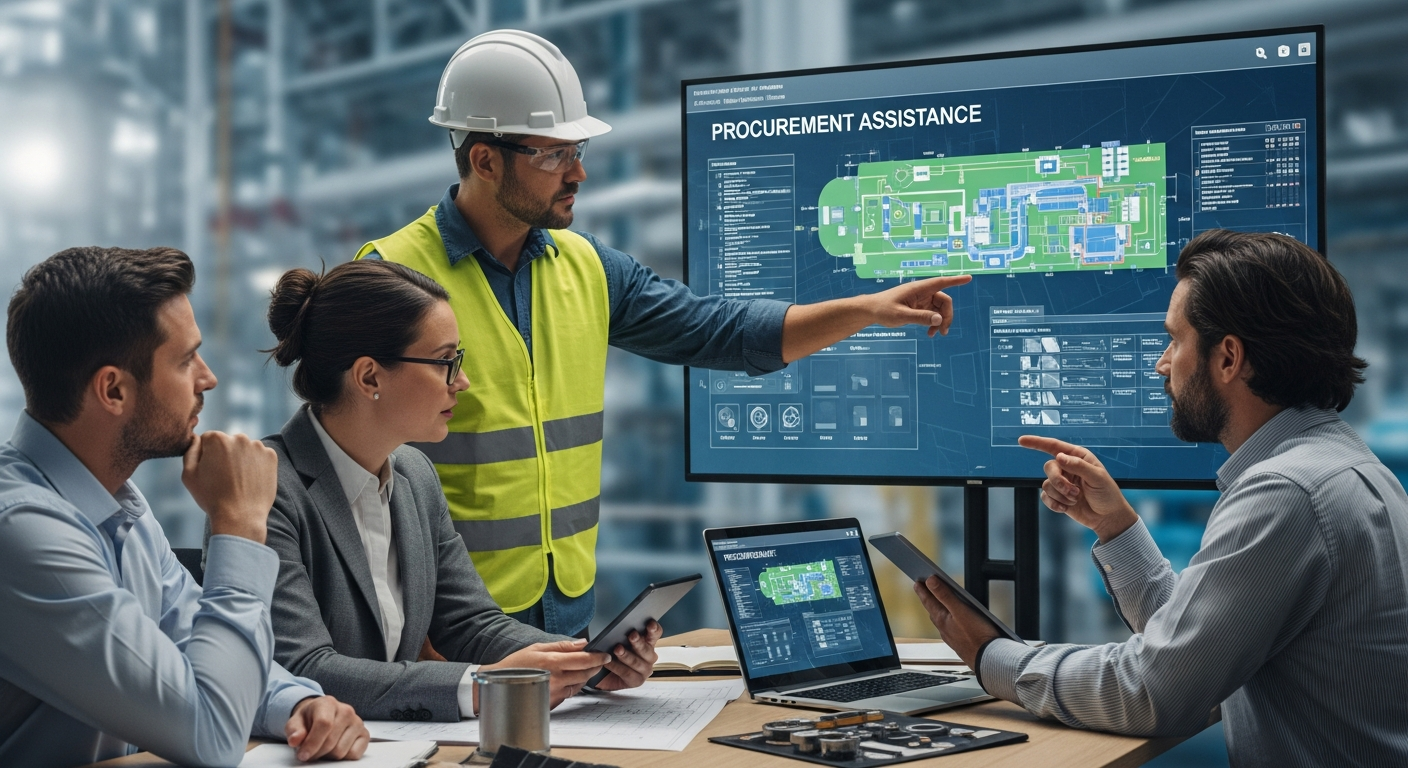
Review equipment offers with their installation requirements in view. We develop technical requisitions, evaluate submissions and clarify vendor deviations relating to performance, dimensions, utilities and connections. Package drawings are checked against the facility design so purchasing decisions account for the engineering work around the equipment.
Asset Management
Engineering records provide continuity as equipment and operating requirements change. We reconcile drawings, equipment information and modification documents against verified inputs, identifying discrepancies for resolution. Updated records give owners a clearer basis for maintenance planning, replacement assessments and subsequent design work.

Digital Engineering
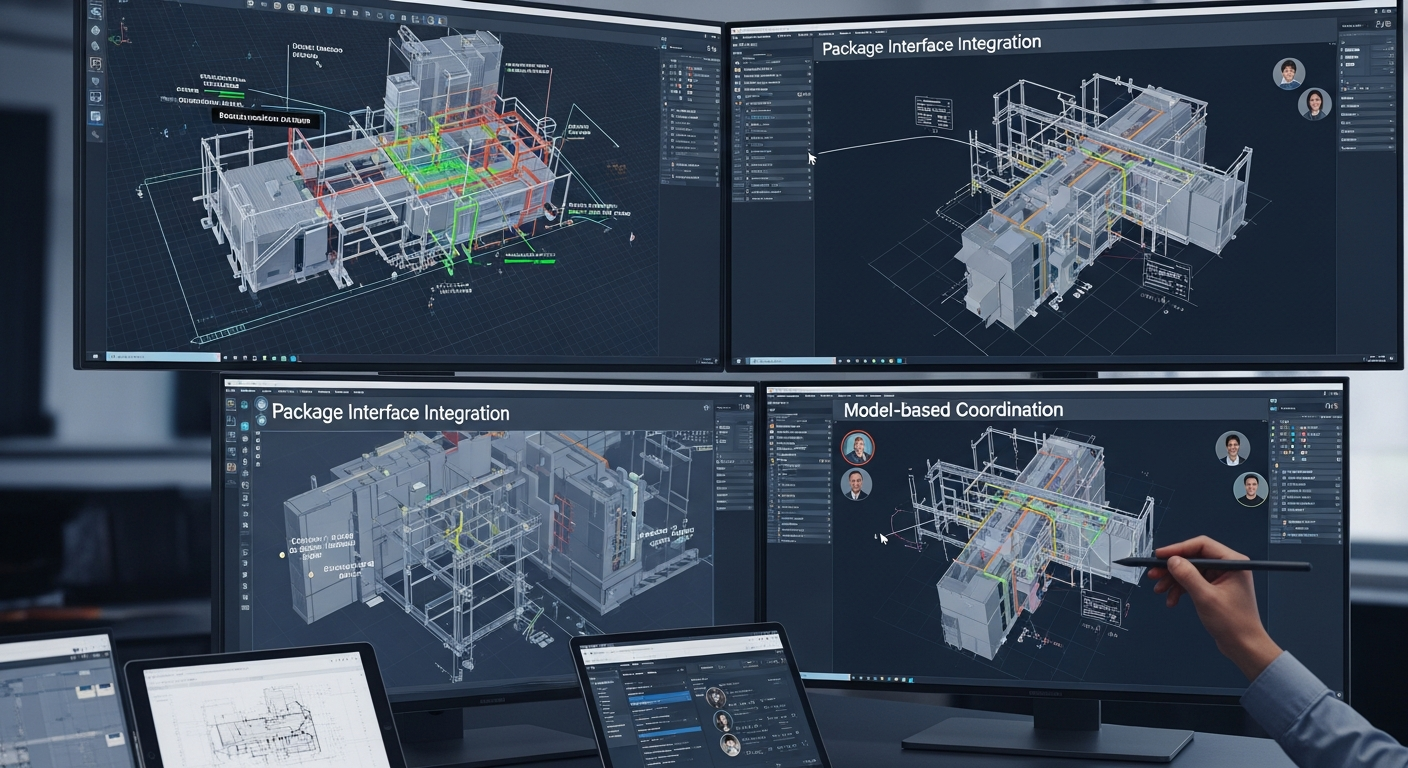
A developing process can generate frequent changes to equipment data and layouts. We organize models, drawings and vendor information within agreed revision and review workflows. For San Francisco teams coordinating several suppliers or facilities, consistent engineering records make it easier to identify current inputs, outstanding decisions and affected interfaces.
Sustenance Engineering
Our brownfield engineering services address equipment replacements, utility changes and incremental capacity improvements. Each assignment begins with the affected systems and the conditions that must be retained. We prepare the necessary calculations and drawings, accounting for installation access, operating restrictions and approved modifications to the plant records.
Special Studies
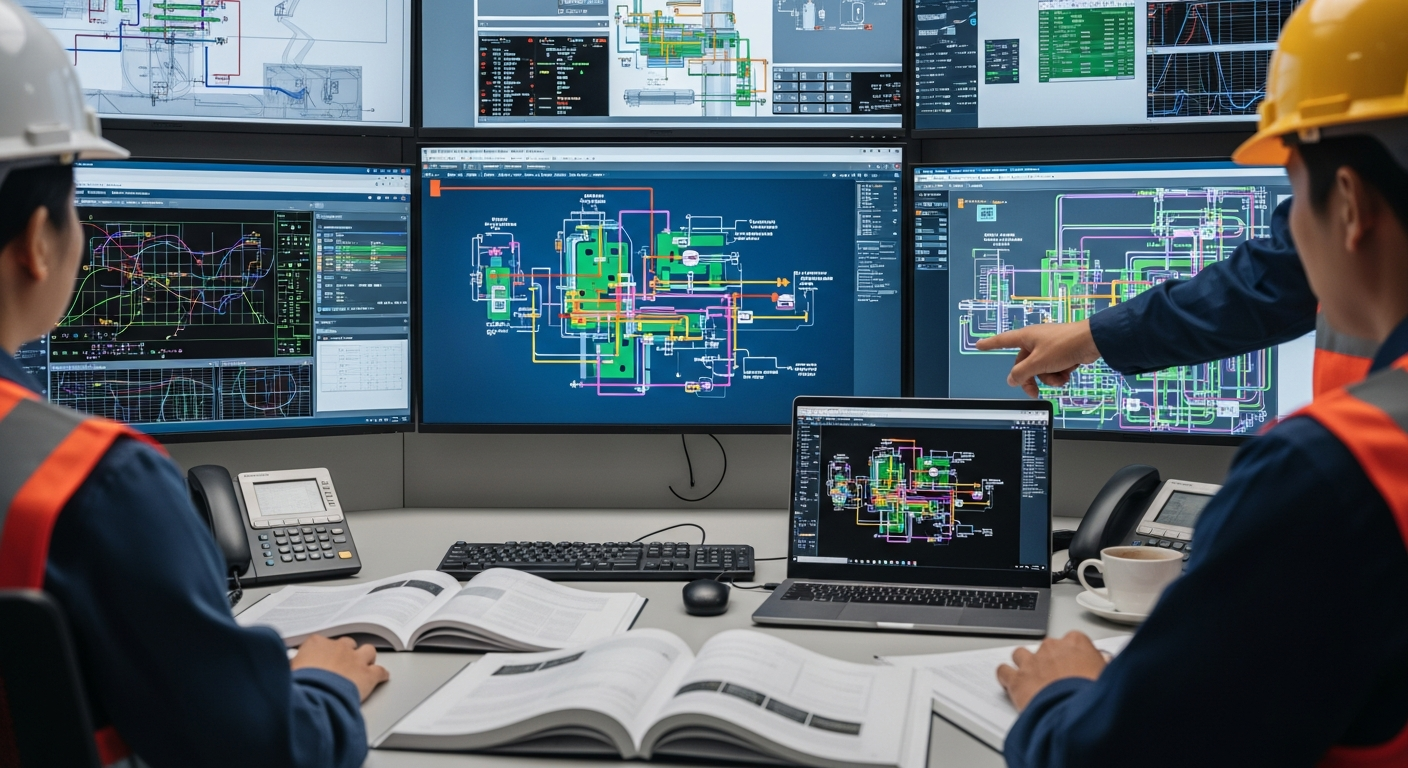
An engineering study can test whether a proposed investment addresses the actual constraint. We assess capacity, utility performance, energy use and layout alternatives against a defined brief. Findings explain the technical options and their limitations, including where additional measurements, site information or vendor data are needed.
Plant 3D Modeling
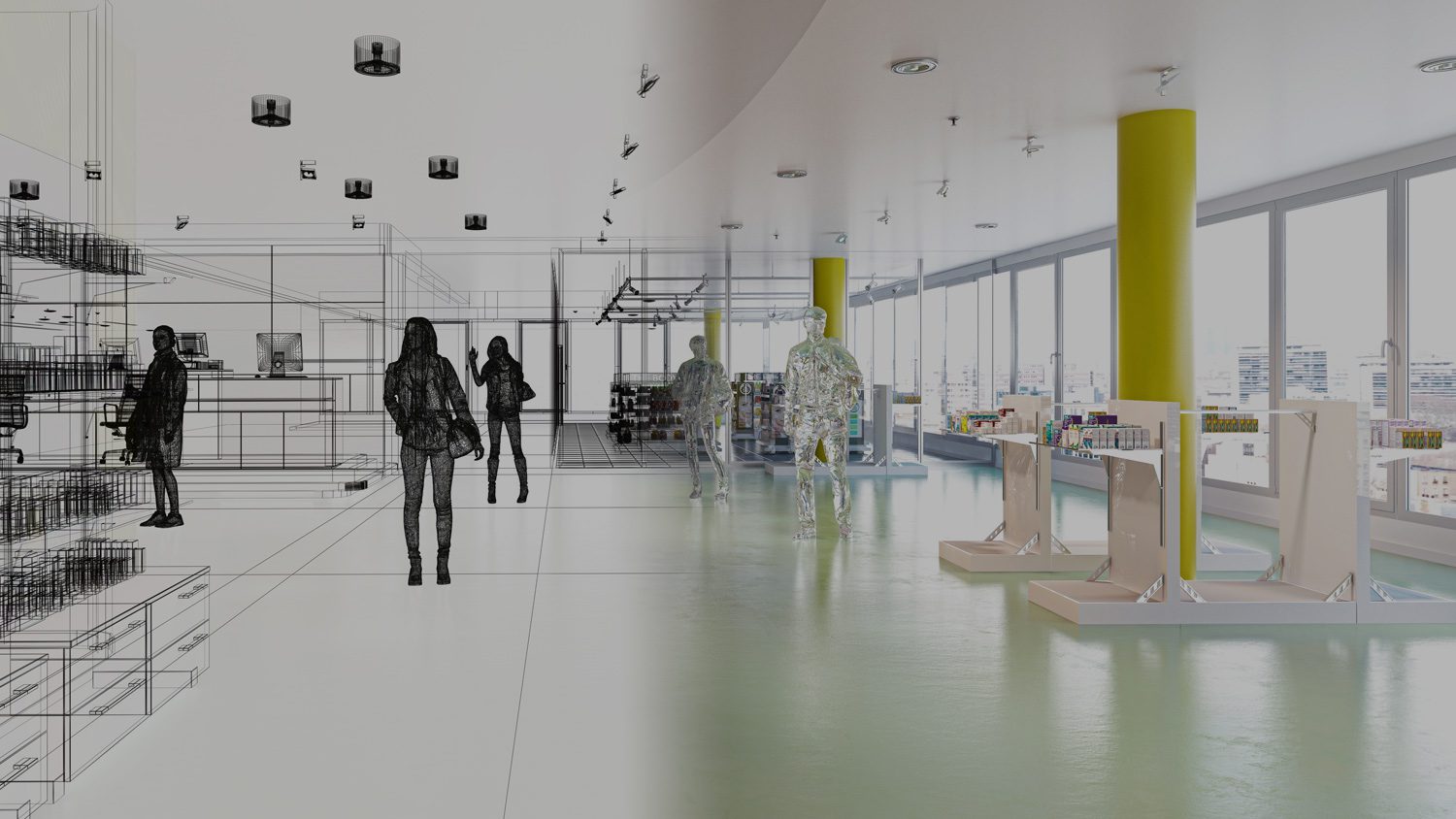
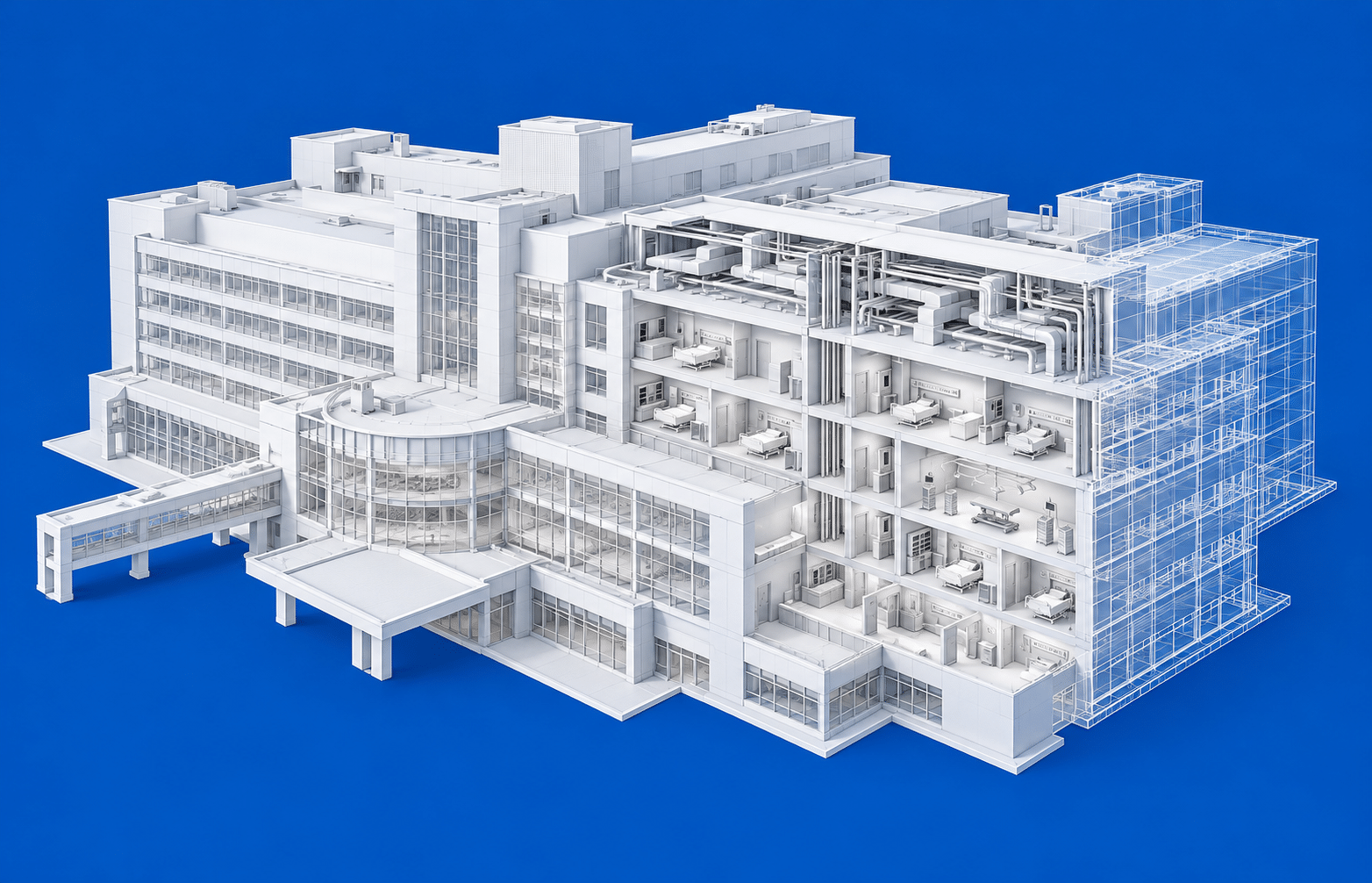
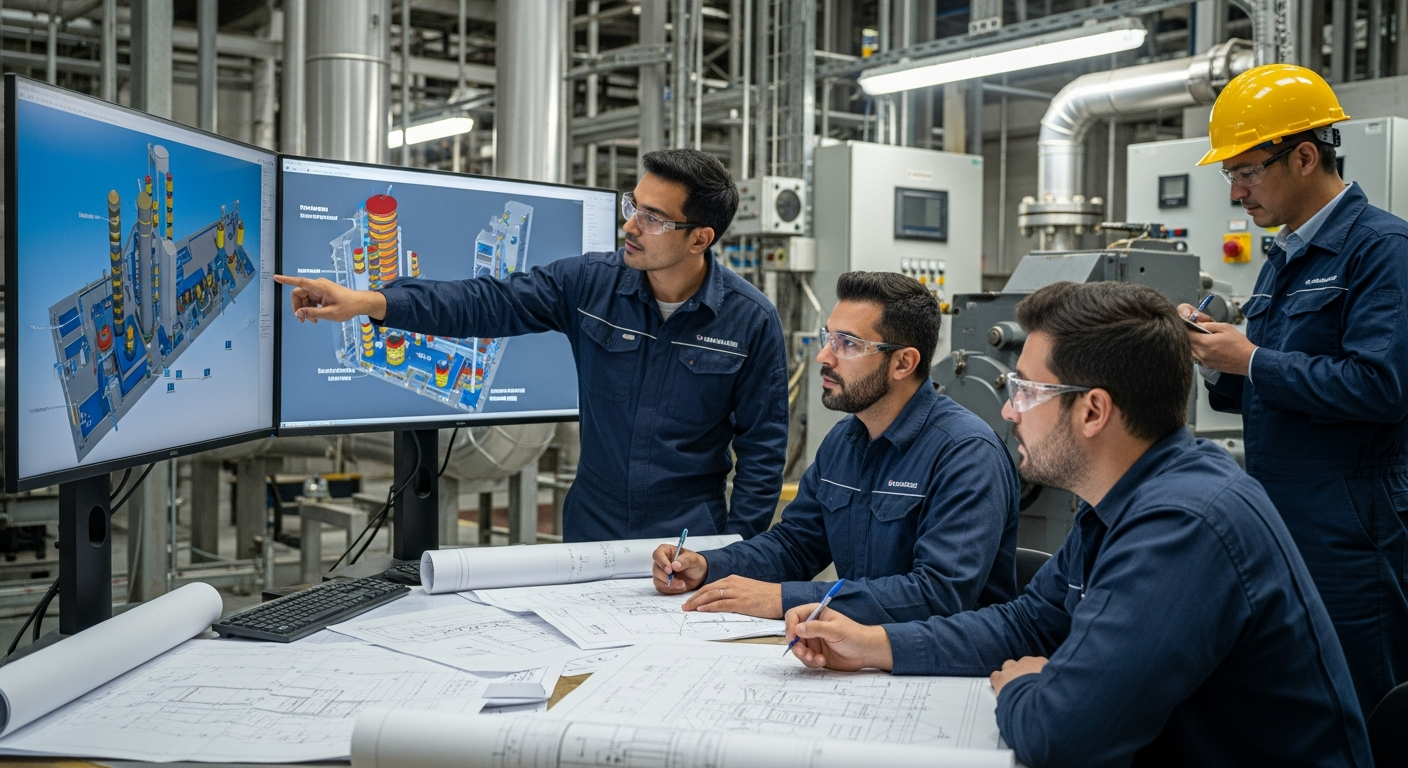
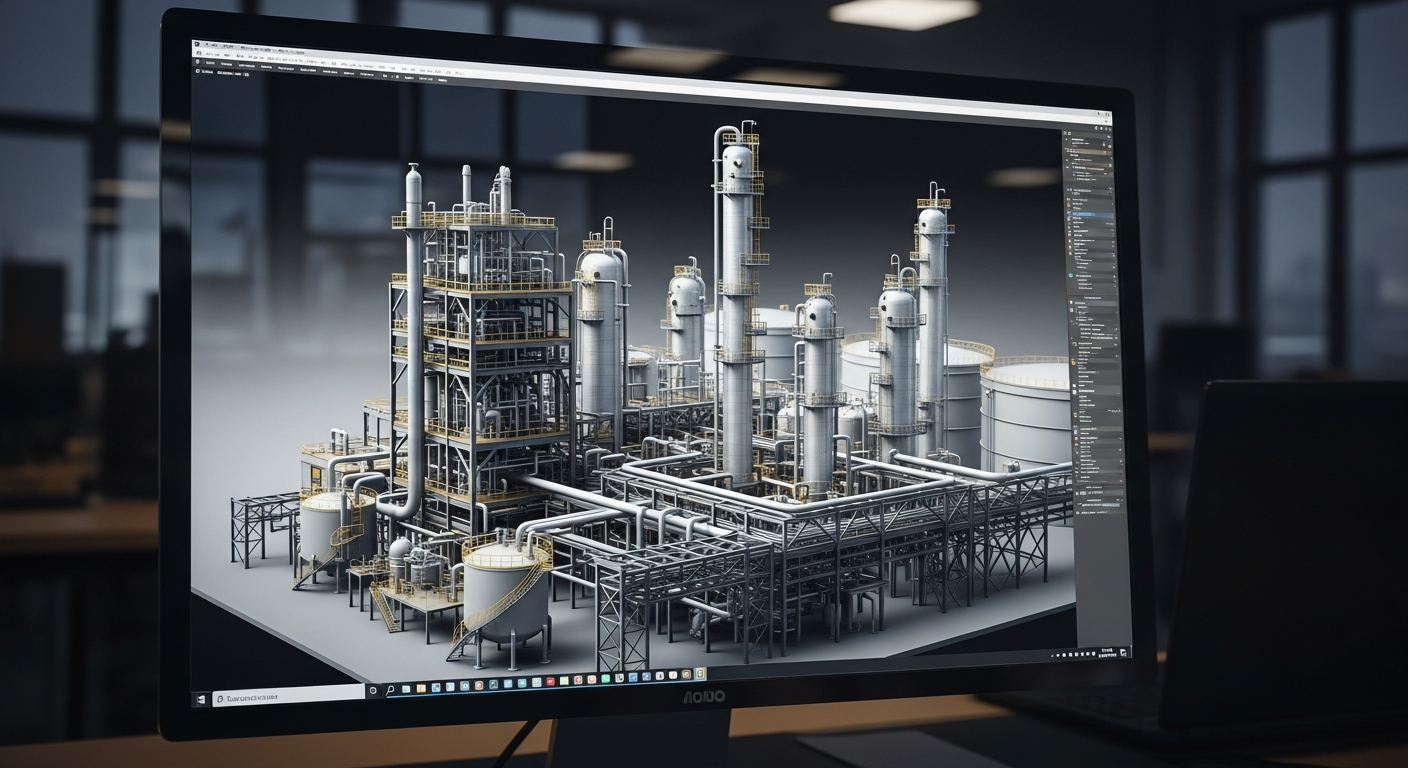
See how the proposed arrangement works as a complete installation. Our plant 3D modeling brings equipment, piping, structures and services together for layout and clash reviews. Teams can examine access, maintenance space and future provisions in context, using the model to resolve spatial questions before drawings are finalized.
Talk to Our Experts Today



Explore Our Resources
We nurture knowledge sharing and vouch for the power of continuous learning. Stay updated with our latest industry insights, case studies and events.