6
November, 2026
Process Engineering Strategies for Greenfield and Brownfield Plant Projects
Building a new industrial plant offers the freedom to design processes from scratch. Upgrading an existing facility comes with a different challenge: improving performance without disrupting established operations.
Both require careful engineering decisions. According to the Construction Industry Institute (CII), effective front-end planning can improve project cost and schedule performance by helping teams define scope and identify risks early.
So, how should manufacturers approach process engineering differently for greenfield and brownfield projects?
1. Get Front-End Engineering Right Before Detailed Design
Incomplete process designs can lead to expensive changes in the procurement and construction phase of a project. Decisions regarding equipment size, process conditions, and utilities need to be made early in the project.
For greenfield plant engineering, FEED sets the technical basis. For brownfield plant engineering, FEED must take into account existing facilities, current operating conditions and plant limitations.
What Should FEED Cover?
Effective FEED (Front-End Engineering Design) strategies should address:
- Process flow diagrams (PFDs) and preliminary P&IDs
- Mass and energy balances
- Equipment sizing and process specifications
- Utility requirements and integration
- Safety assessments and operational constraints
For brownfield projects, engineers should also verify existing documentation against actual plant conditions.
Consider a plant planning to add another process line. Existing pumps may appear sufficient, but hydraulic calculations could reveal that they cannot support the additional flow without modifications.
Identifying this during FEED can prevent equipment changes later.
2. Use Process Simulation Before Finalizing Equipment
Process performance can change significantly with changes in feed, temperature, pressure, and production demand, even when operating well under ideal conditions.
Engineers can simulate various operating scenarios using process design and simulation before selecting equipment.
Where Simulation Adds Value
For greenfield projects, Process Simulation can help teams:
- Compare alternative process configurations
- Validate equipment sizing
- Estimate energy and utility consumption
- Evaluate operating flexibility
For existing plants, simulation can reveal bottlenecks and assess the effects of proposed modifications.
For example, before increasing production at a chemical processing facility, engineers can simulate higher flow rates to determine whether existing heat exchangers, pumps, and separation equipment can handle the additional load.
This allows manufacturers to evaluate modification options before making capital investments.
3. Improve Energy Efficiency Through Process Integration
Many industrial facilities consider energy consumption to be a major operating expense; yet, opportunities for improved efficiency are not explored in sufficient detail during process design and/or facility modernization.
CanmetENERGY, a program of Natural Resources Canada, reports that industrial process integration can yield 10-30% energy savings on average for appropriate applications.
However, actual savings vary by application and by plant.
Engineering Opportunities Worth Evaluating
Both new and existing facilities can benefit from:
- Waste heat recovery
- Heat exchanger network optimization
- Steam and utility system improvements
- Reduced heating and cooling requirements
- Better process operating conditions
For greenfield projects, energy integration can influence the original process configuration.
For brownfield facilities, process optimization for existing industrial plants may involve identifying inefficient equipment operation, excessive utility consumption, or unused heat recovery opportunities.
The objective is to improve performance without introducing unnecessary process complexity.
4. Assess Existing Infrastructure Before Brownfield Modifications
Adding new equipment in an operating plant is not as simple as finding space on the floor.
Reducing the risk of changes in flow rates, pressures, temperatures, and other demands on utilities in brownfield projects can be a significant part of the early stages of a project.
What Needs Verification?
Before modifications begin, engineering teams should assess:
- Existing equipment condition and capacity
- Piping layouts and tie-in locations
- Utility availability
- Control and safeguarding systems
- Maintenance access and shutdown requirements
The UK Health and Safety Executive emphasizes the importance of reviewing plant modifications for their potential effects on safety and existing systems.
For example, adding a process vessel may also require changes to transfer pumps, cooling systems, piping, and pressure relief arrangements.
A coordinated engineering review helps identify these dependencies before installation.
5. Connect Process Engineering With Plant Layout Design
Even a perfect process can cause installation and maintenance problems if the arrangement of equipment and piping is not taken into account.
This is where 3D plant modeling becomes valuable.
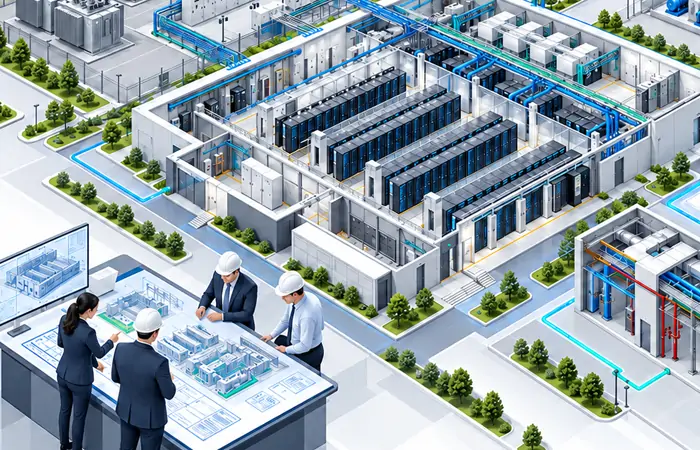
For new industrial facilities, the engineer can check the position of equipment, the routes of pipes, the space for maintenance, and possible future expansions during the initial design phase.
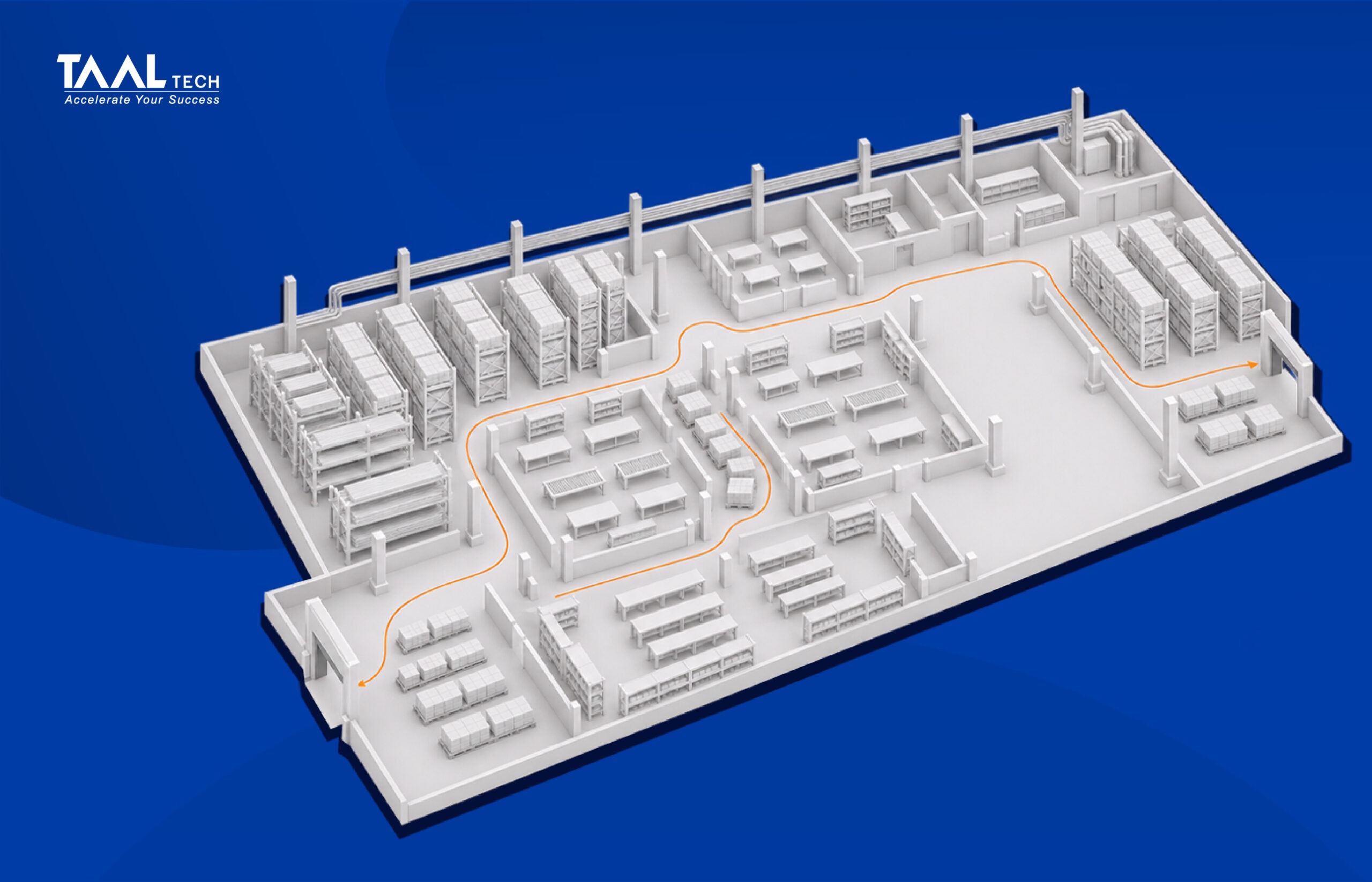
These models can also be used for existing plants to identify possible conflicts with operating equipment, other structures, and services.
Why Multidisciplinary Coordination Matters
At TAAL Tech, we approach plant modifications by considering the relationships between process requirements, equipment arrangements, piping design, and structural engineering.
For instance, a proposed equipment skid may fit within the available space but interfere with maintenance access or existing piping.
Reviewing these constraints through coordinated engineering models can reduce avoidable design changes during construction.
6. Plan Engineering Around Project Execution
A good process design must also be practical to build, commission and operate.
For greenfield projects, an engineering team must coordinate equipment procurement, the construction sequence, and commissioning requirements.
For brownfield projects, the challenge of a shutdown, system isolation, equipment tie-ins and maintaining production on site has to be managed.
Effective EPCM project execution depends on several priorities:
- Clear engineering deliverables and approval milestones
- Coordination between engineering disciplines
- Constructability reviews before installation
- Equipment procurement aligned with design maturity
- Shutdown and commissioning planning
Strong Plant project management helps ensure engineering decisions remain aligned with project schedules, safety requirements, and operational needs.
Greenfield vs. Brownfield: Where Should Engineering Teams Focus?
| Priority | Greenfield projects | Brownfield projects |
| Process design | Develop efficient new systems | Improve existing operations |
| Equipment | Optimize selection and sizing | Verify existing capacity |
| Utilities | Design for planned demand | Assess available capacity |
| Plant layout | Allow for future expansion | Work around existing constraints |
| Execution | Coordinate construction and commissioning | Manage tie-ins and shutdowns |
The most effective strategy is one that reflects the project's technical requirements rather than applying the same approach to every facility.
How TAAL Tech Supports Greenfield and Brownfield Plant Projects
TAAL Tech delivers multidisciplinary process engineering and plant engineering services for industrial clients, supporting plant development and modernization.
Our services include process engineering, engineering documents, process equipment layout, piping engineering, 3D modeling, and structural engineering.
This can also include support for plant modernization engineering and brownfield plant modification and upgrading services.
By integrating process requirements with other engineering disciplines, teams can identify constraints early and improve design coordination throughout the project phases.
Better Process Engineering Starts With Better Decisions
Whether a project is greenfield or brownfield, it can be successfully developed with strong front-end planning, reliable process data, and coordinated engineering.
For new facilities, early decisions will influence long-term efficiency and expansion possibilities. For existing facilities, it is important to understand the current operating situation before making changes.
Our aim is to make the right engineering decisions before they become expensive project mistakes.
Find out more about TAAL Tech’s process engineering services and how we can support your next plant development, plant expansion, or plant modernization project.