
Plant Design and Engineering for Baton Rouge Facilities
Plan your next plant investment with a coordinated view of equipment, utilities and installation requirements. We develop the engineering for new facilities, capacity improvements and modifications to operating assets, connecting project objectives with the technical work required to deliver them.
Baton Rouge’s industrial base includes integrated refining and chemical operations, alongside the wider Capital Region’s manufacturing facilities. In these environments, a project’s boundaries matter: where new equipment connects, which services are shared and what must remain operational during construction.
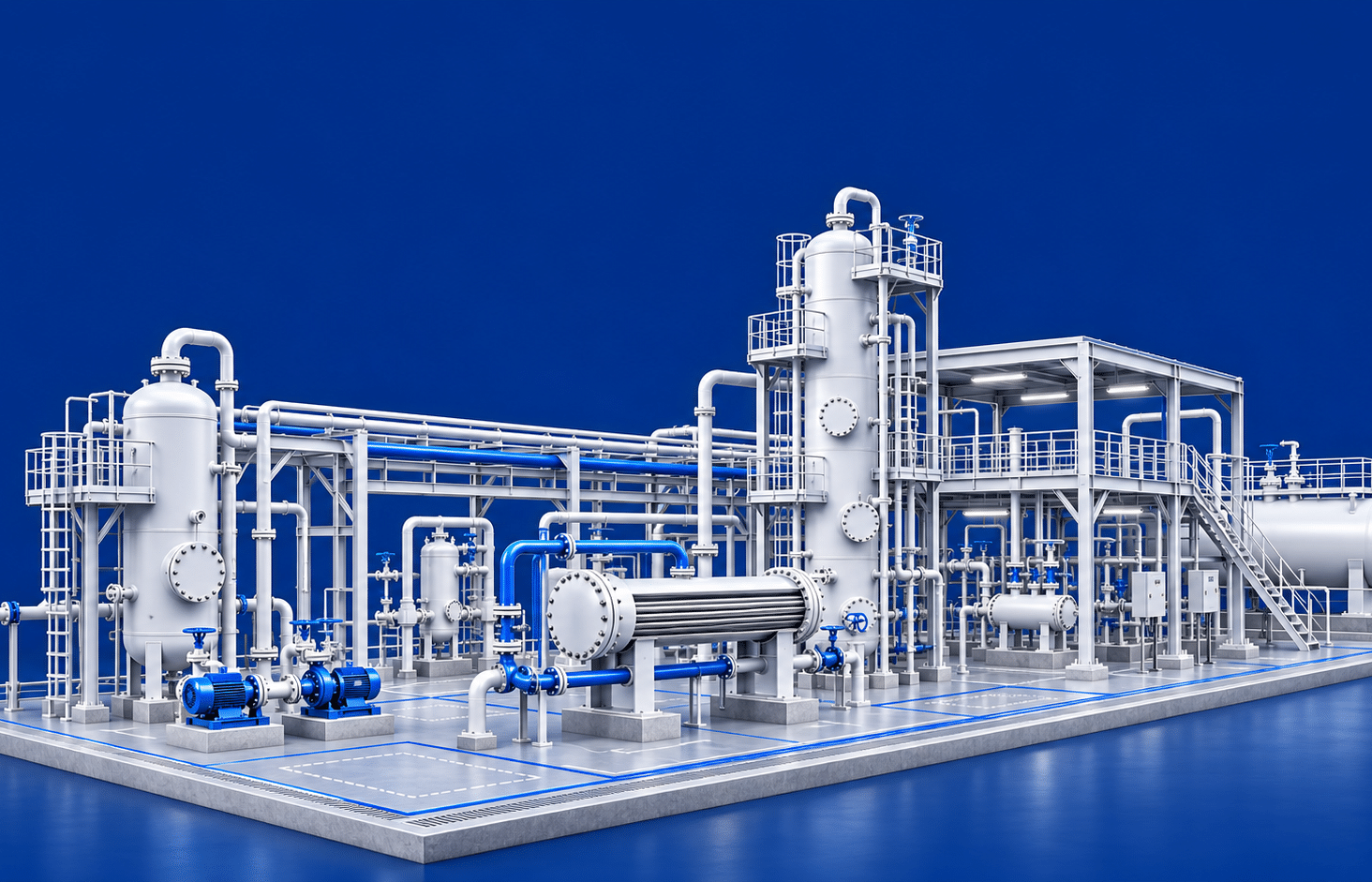
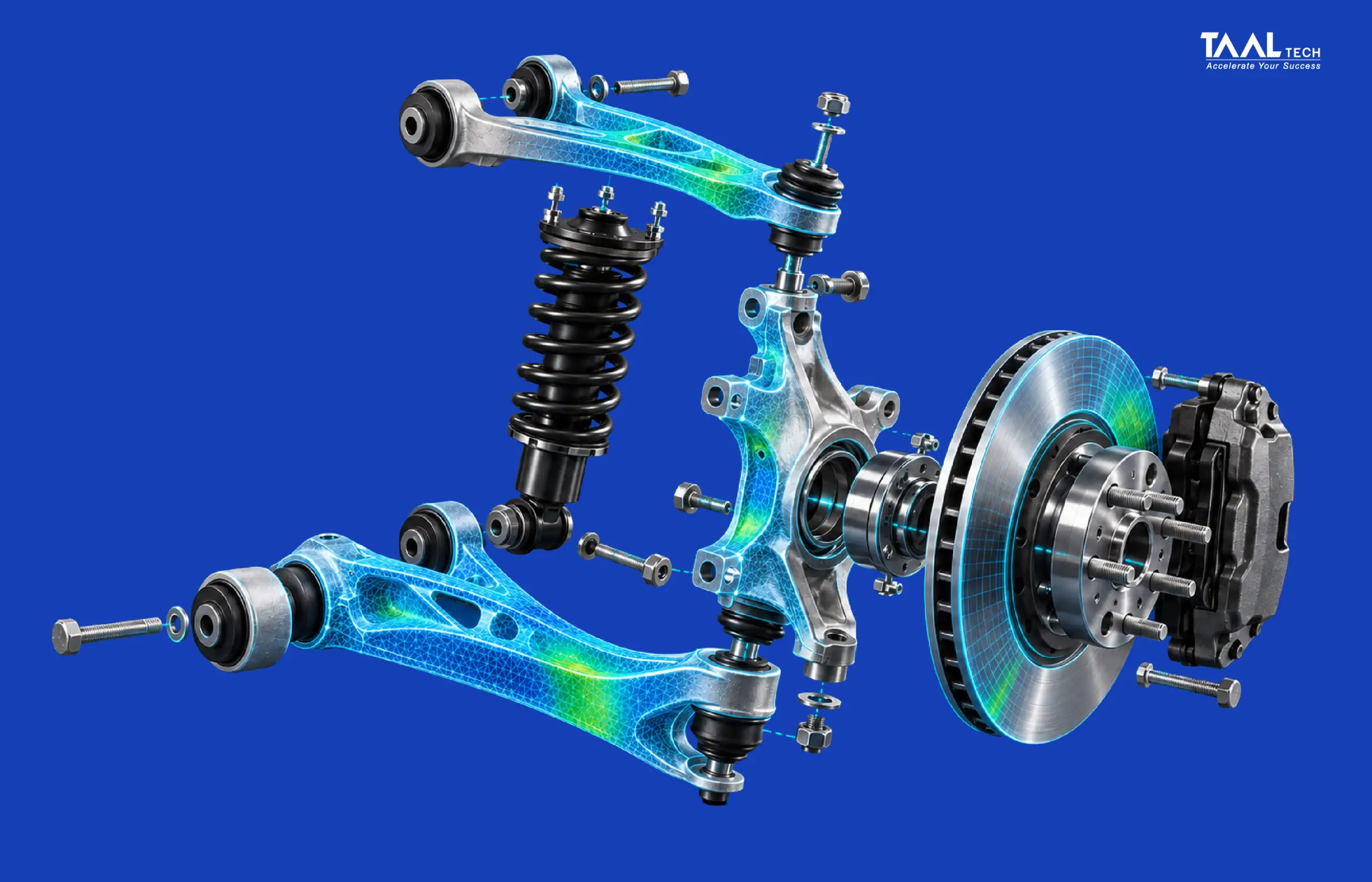
Our plant engineering services in Baton Rouge bring mechanical, piping, structural, electrical and other disciplines together around those interfaces. Owners, EPCs and equipment manufacturers can engage us for a defined package or a broader engineering scope, with deliverables organized around procurement, construction and planned plant outages.
Engineering Standards for Baton Rouge Plant Projects
We establish applicable codes, owner specifications and operating requirements as part of the design basis. Calculations, equipment documents and drawings are reviewed against those inputs throughout development. For existing facilities, the work also addresses site standards, verified asset information and management-of-change requirements, with responsibilities agreed between our engineers, the owner and appointed project specialists.

Industries We Serve in Baton Rouge and Beyond
Our engineering capabilities span process plants, manufacturing facilities, utilities and energy installations. Baton Rouge’s industrial setting gives particular relevance to equipment integration, plant modifications and utility coordination. The following sector capabilities remain available across local projects and assignments managed by regional owners, EPCs and equipment suppliers.
Oil and Gas/ LNG
Baton Rouge’s refining operations form part of a wider Louisiana energy industry. For oil, gas and LNG assignments, we engineer equipment arrangements, utility connections and plant interfaces. Brownfield scopes address tie-in locations, affected systems and access requirements, with package information coordinated across the relevant disciplines.

Chemicals / Petrochemicals
The Capital Region’s chemical manufacturing corridor includes integrated plants and specialty-material operations. Our piping design services address process conditions, material compatibility and connections between equipment packages. Revamp engineering also examines shared utilities and existing routes, so the design accounts for systems beyond the immediate modification area.

Discrete Manufacturing
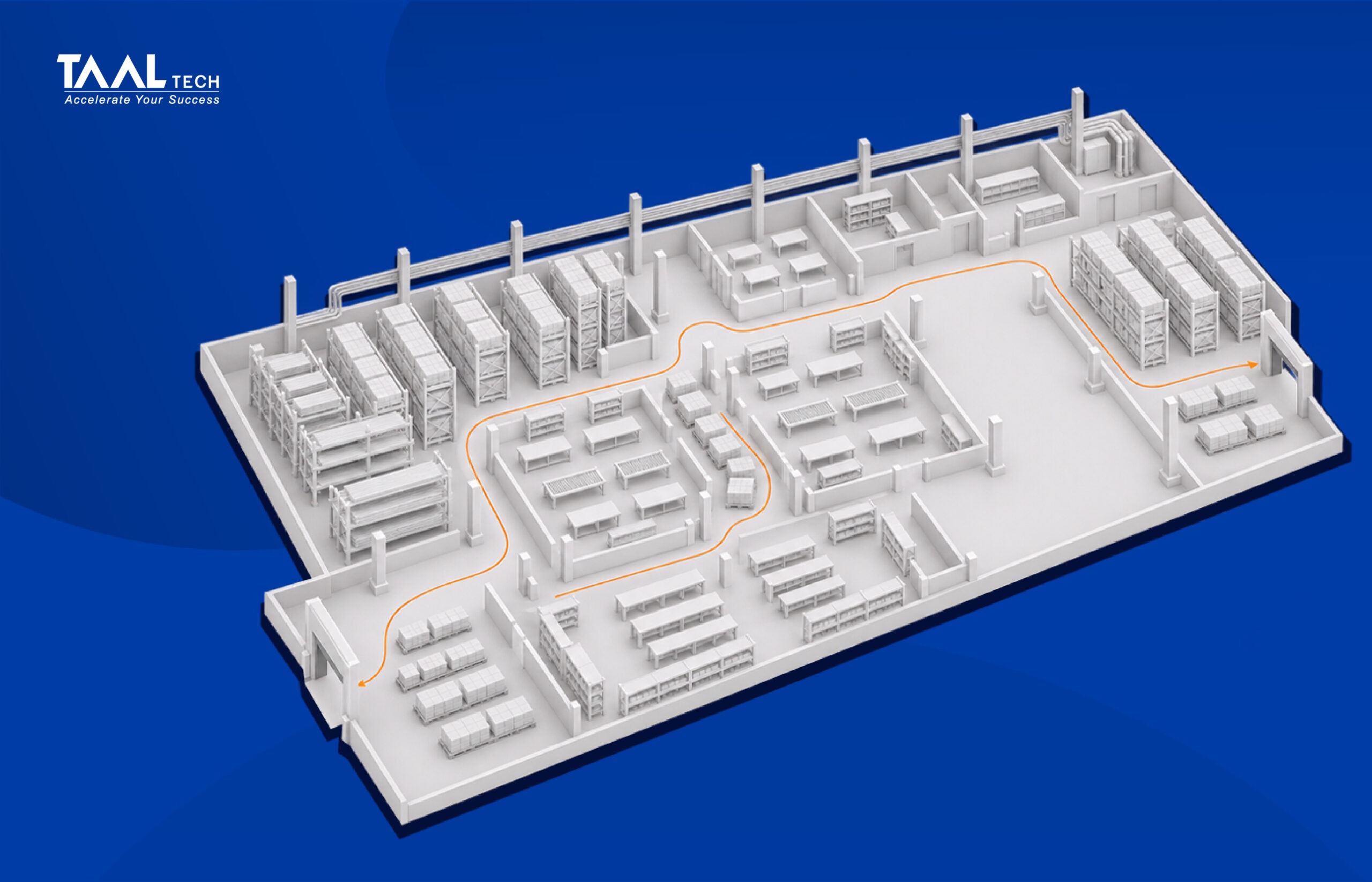
A machinery upgrade can change the demands placed on the entire production area. We coordinate equipment layouts with electrical distribution, compressed air, ventilation and structural provisions. For manufacturing facilities, the design considers material movement, maintenance access and the sequence for replacing or installing equipment.

Power and Utilities
Shared services can determine how much additional production a facility can accommodate. Our balance-of-plant engineering covers steam, cooling water, compressed air and electrical interfaces. We assess proposed loads and distribution arrangements, identifying the modifications and further investigations needed before additional equipment is connected.

Mining and Minerals
For mineral-processing and bulk-material facilities, we develop layouts around equipment duties, transfer points and maintenance needs. Mechanical and piping arrangements are coordinated with structural requirements and plant services. Particular attention goes to component-removal space and access where material-handling equipment creates installation constraints.

F&B
We engineer processing and packaging installations around product requirements, cleaning provisions and utility demand. Layouts account for hygienic operation, equipment access and material movement. For upgrades, the scope includes connections to retained systems and the practical arrangements needed to install new equipment within an operating facility.

Renewable Energy
Renewable-energy installations require clear connections between specialist packages and conventional plant infrastructure. We develop utility layouts, mechanical arrangements and structural and electrical interfaces within the agreed scope. Where equipment is added to an existing site, available capacity and retained services guide the integration design.

Pharma (API)
For pharmaceutical and API facilities, controlled requirements and traceable documentation are central to our engineering work. We prepare equipment layouts, utility drawings and HVAC interfaces, with reviews aligned to the owner’s process and quality requirements. Defined technical inputs enable coordination with specialist vendors and validation teams.

Engineering Services for Baton Rouge Capital Projects
An effective engineering scope identifies both the deliverables and the decisions needed to complete them. We agree these with your team, along with input dates, review responsibilities and package boundaries. Our services cover early project definition, detailed execution and the continuing engineering needs of operating facilities.
FEED Support
Establish what the project will require before committing to detailed design. Our FEED support covers layout concepts, preliminary utility needs, equipment interfaces and constructability reviews. For modifications to existing plants, we identify tie-in requirements and information gaps that could affect scope, installation planning or subsequent design decisions.

Detailed Engineering
Construction teams need consistent information across every discipline. Our detailed engineering services produce coordinated drawings, calculations, specifications, datasheets and material take-offs. Vendor documents are incorporated as they develop, with revisions checked for their effects on connected systems and the packages already issued for procurement or fabrication.

Discipline Engineering
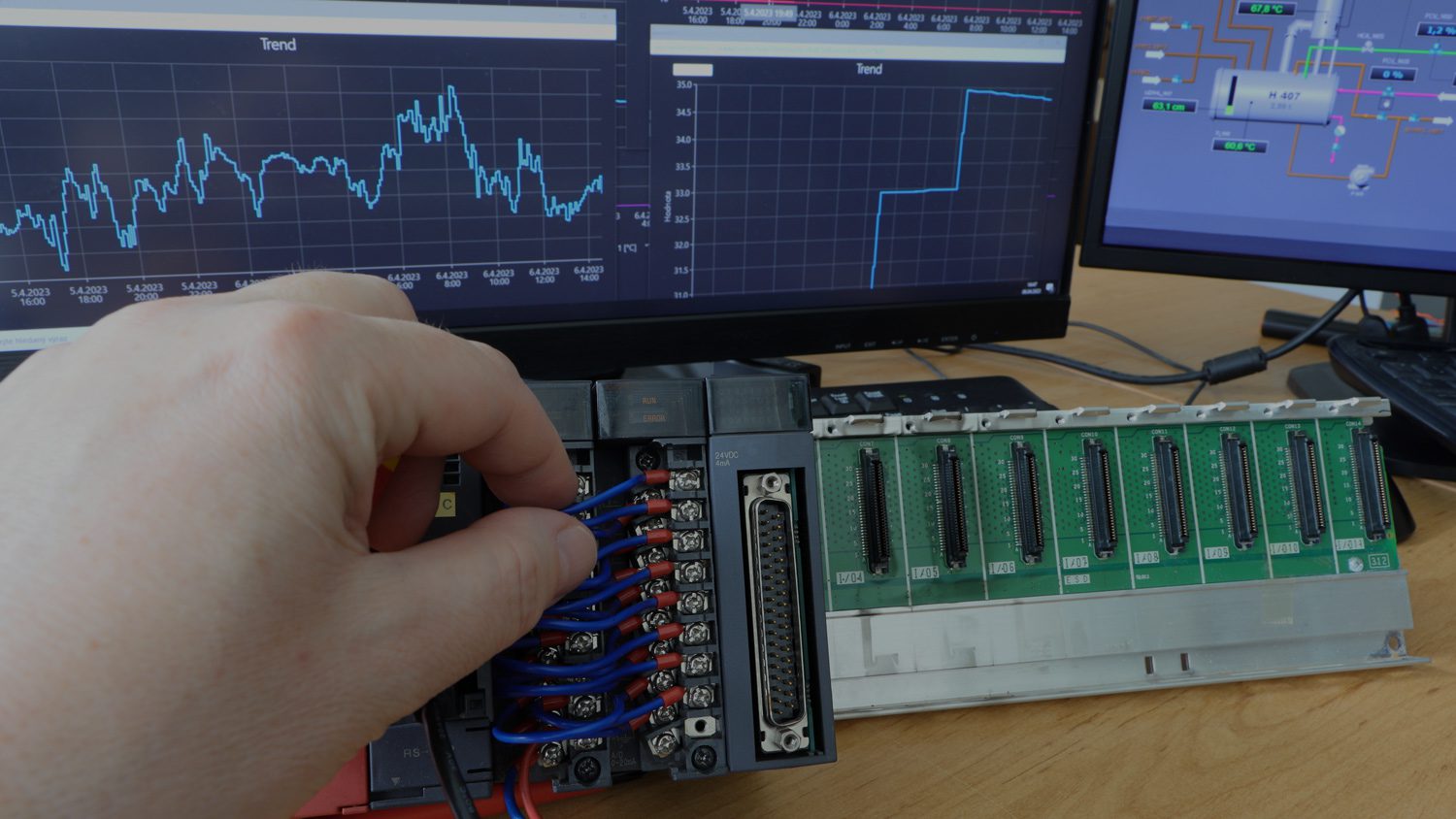
We coordinate mechanical, piping, civil, structural, electrical, instrumentation, HVAC and fire-protection engineering around a shared design basis. Interface reviews examine how individual decisions affect the wider installation. A revised equipment load or nozzle location, for example, is carried through the relevant structural, piping and layout documents.

Procurement Assistance
Technical bid reviews should reveal the plant implications of each equipment offer. We assess vendor submissions against the requisition, clarify deviations and review package drawings. Utility consumption, connection details, dimensions and maintenance requirements are checked so purchasing decisions account for the installation around the equipment.

Asset Management
Every approved modification should leave a clear engineering record. We update drawings, equipment information and change documentation using verified project and site inputs. For Baton Rouge facilities managing successive upgrades, consistent records provide a more reliable starting point for maintenance planning and future modifications.

Digital Engineering
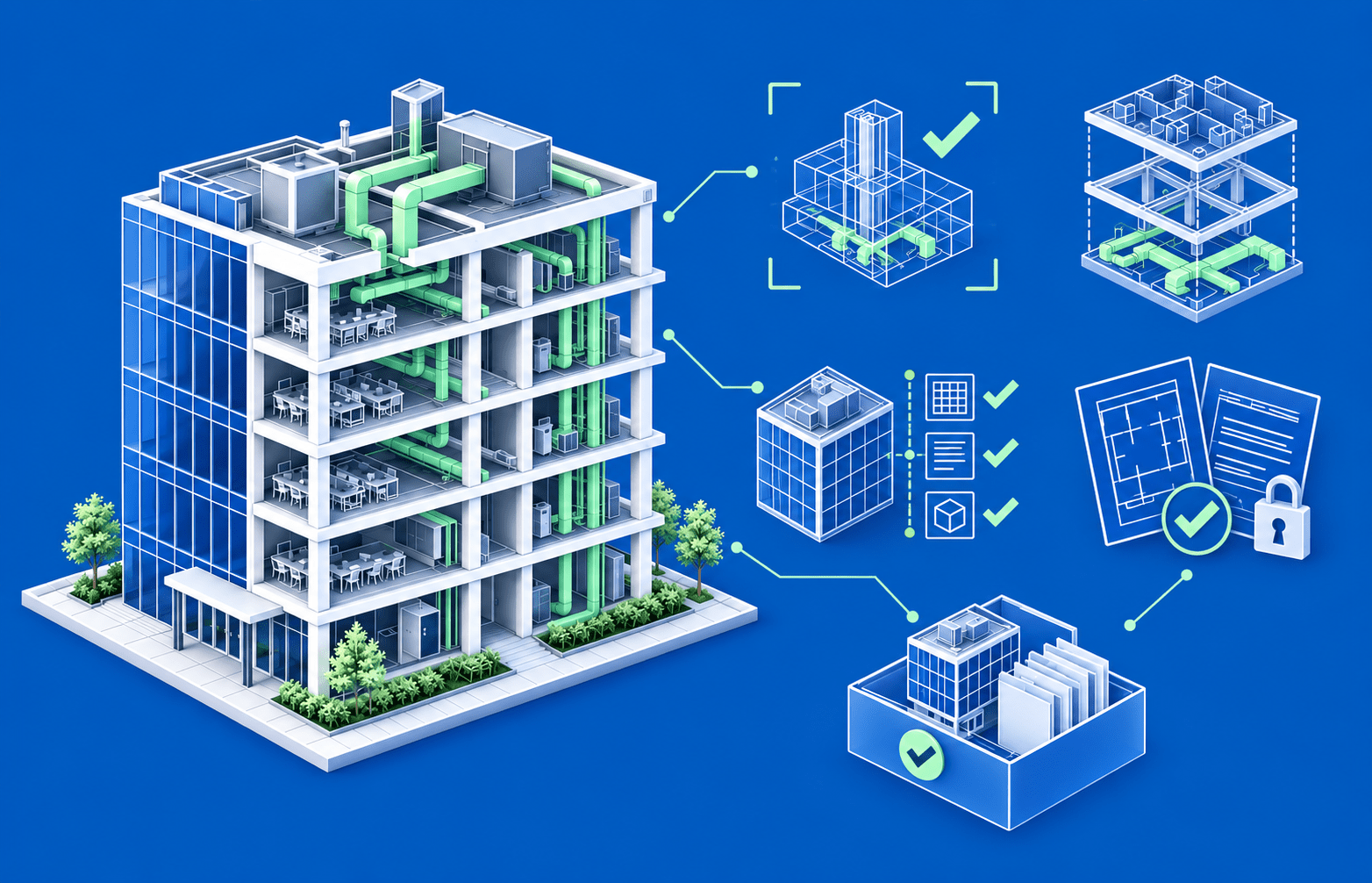
Keep package interfaces and design changes visible across the project. We coordinate models, drawings and vendor data through agreed review and revision workflows. Interface tracking identifies outstanding inputs and affected deliverables, giving owners and EPCs a clearer view of what is ready for issue and what still requires resolution.

Sustenance Engineering
Our brownfield engineering services cover equipment replacements, utility modifications, reliability upgrades and targeted capacity improvements. Work packages distinguish retained systems from new scope and identify the connections affected. Engineering is developed around the owner’s operating restrictions, access arrangements and planned shutdown activities.

Special Studies
A capacity constraint may sit in the process equipment, the utility network or the connections between them. We investigate those possibilities through feasibility, performance, energy and constructability studies. Findings explain the available options, underlying assumptions and additional data needed to determine the next engineering step.

Plant 3D Modeling
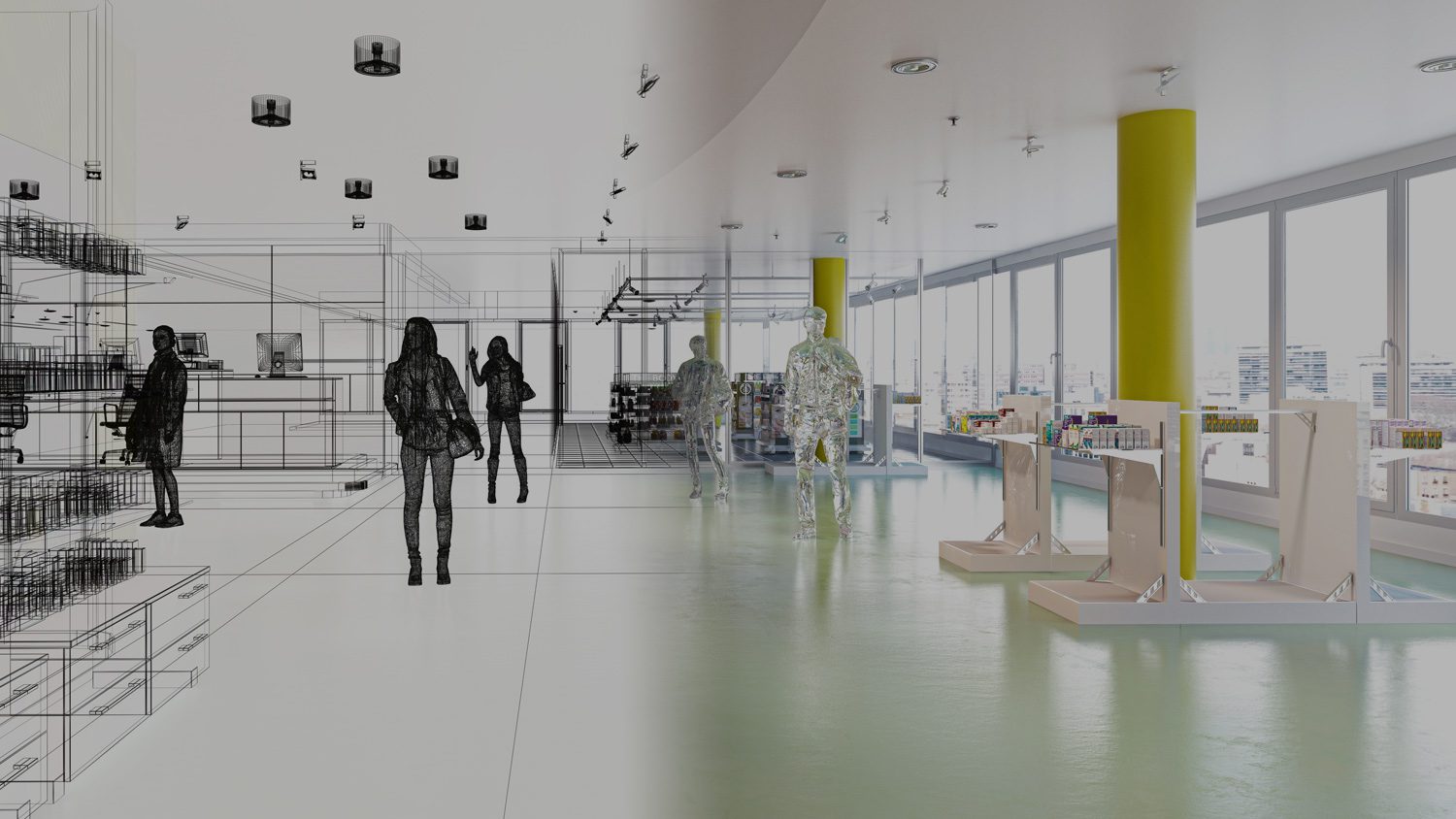
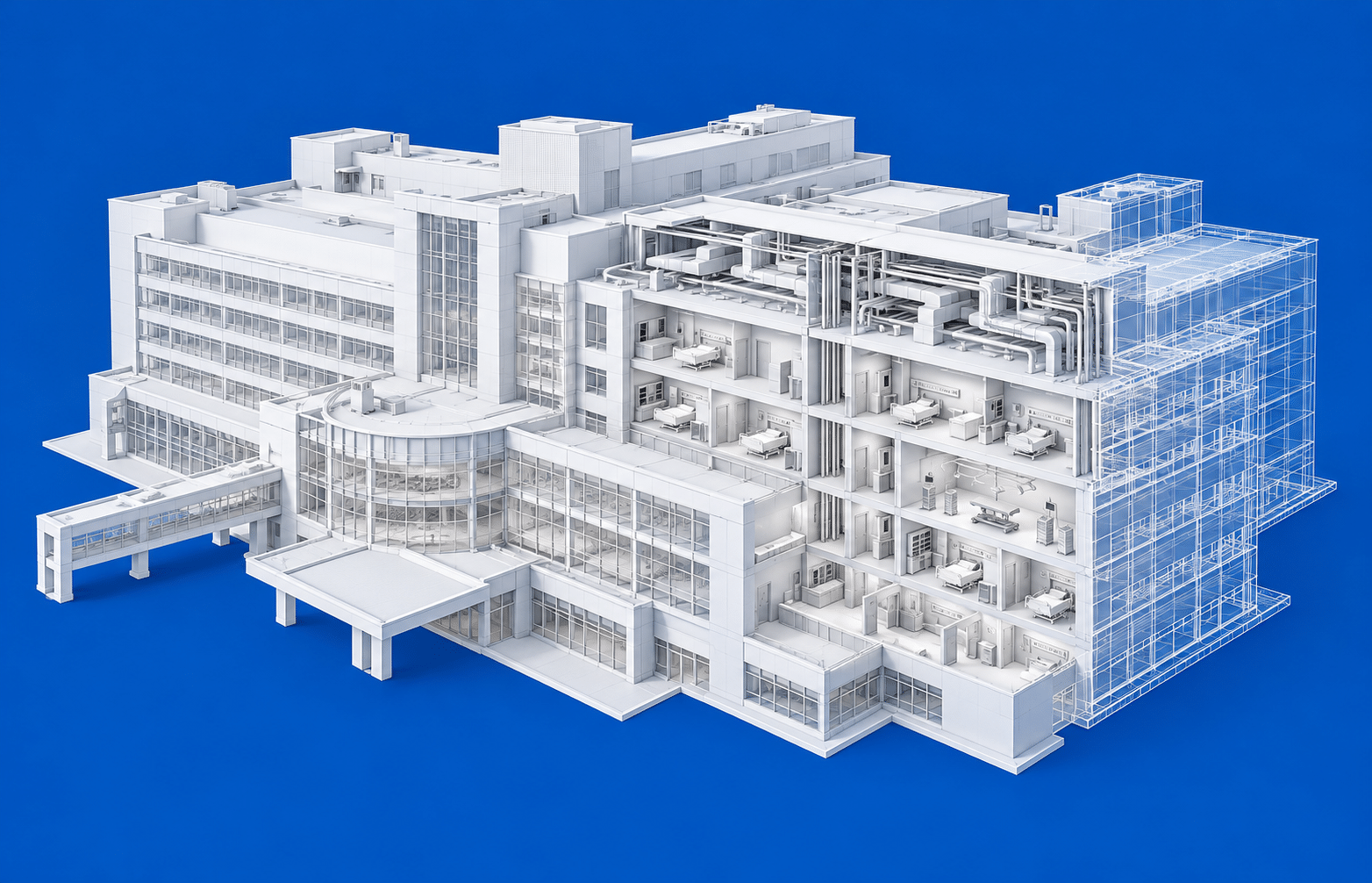
Congested process areas require more than a check for physical clashes. Our plant 3D modeling brings equipment, piping, structures and services together to review access, maintenance clearances and proposed installation routes. Models can also show new connections in relation to retained assets, informing layout decisions and drawing development.

Talk to Our Experts Today



Explore Our Resources
We nurture knowledge sharing and vouch for the power of continuous learning. Stay updated with our latest industry insights, case studies and events.