
25
June, 2026
MEP Engineering Services: How Better Coordination Reduces Costly Construction Delays
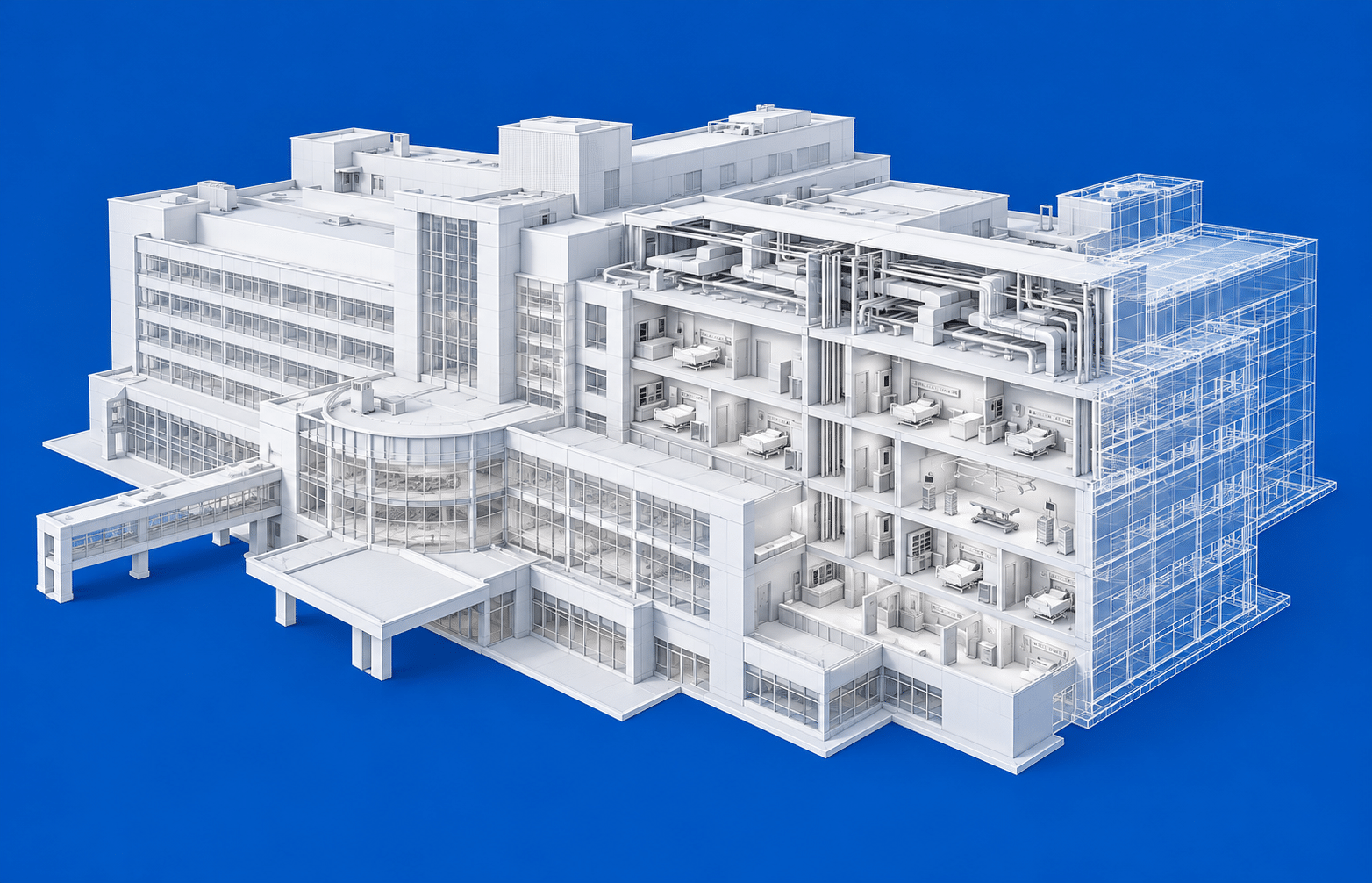
MEP systems often decide whether a building performs well after handover. HVAC, electrical, plumbing, fire protection, controls and low-voltage systems must all fit into limited spaces while supporting safety, comfort, energy performance and maintainability.
Poor coordination can become expensive. Autodesk and FMI found that bad project data was estimated to cost the construction industry USD 88.69 billion in rework in 2020. This is why MEP engineering services are critical for reducing clashes, delays and site changes.
What Are MEP Engineering Services?
MEP stands for Mechanical, Electrical and Plumbing. MEP engineering services cover the design and coordination of building systems that make facilities functional.
These services may include:
- HVAC design
- Electrical system design
- Plumbing design
- Fire protection support
- Lighting layouts
- Power distribution
- ELV and low-voltage systems
- Equipment schedules
- Load calculations
- Duct and pipe routing
- MEP BIM coordination
- Shop drawing support
- Clash detection
- As-built documentation
For large buildings and industrial facilities, MEP coordination is one of the most important parts of project delivery.
Why MEP Coordination Matters
MEP systems compete for the same ceiling spaces, shafts, risers, service rooms and plant areas.
Without proper coordination, projects may face:
- Duct and pipe clashes
- Electrical tray conflicts
- Insufficient ceiling space
- Poor access for maintenance
- Equipment installation delays
- Site rework
- Late design changes
- Contractor disputes
- Handover issues
MEP engineering services help identify these problems before construction reaches site.
1. HVAC Coordination
HVAC systems often take up the most space. Ducts, air handling units, chilled water lines, exhaust systems and access panels must be planned carefully.
Good HVAC coordination considers:
- Duct routing
- Equipment location
- Fresh air and exhaust paths
- Maintenance access
- Ceiling space
- Thermal comfort
- Noise control
- Fire and smoke requirements
- Energy performance
Poor HVAC coordination can affect both construction and long-term building performance.
2. Electrical System Coordination
Electrical systems need safe and accessible routing. This includes power distribution, lighting, cable trays, panels, transformers, backup power and earthing systems.
MEP engineering teams must coordinate electrical systems with:
- HVAC equipment
- Plumbing lines
- Fire systems
- Structural elements
- Ceiling layouts
- Control rooms
- Maintenance zones
Electrical coordination is especially important for data centers, hospitals, industrial buildings, commercial buildings and manufacturing facilities.
3. Plumbing and Drainage Coordination
Plumbing systems depend heavily on slope, access and routing space.
Key coordination areas include:
- Water supply lines
- Drainage lines
- Vent pipes
- Pump rooms
- Toilet blocks
- Kitchen areas
- Equipment drains
- Rainwater systems
- Access panels
- Fire water systems
A small routing issue can create major site changes, especially when gravity drainage is involved.
4. Fire Protection and Life Safety
Fire protection systems must be coordinated with other MEP services while meeting safety requirements.
This includes:
- Sprinkler layouts
- Fire pumps
- Hydrant systems
- Fire alarm devices
- Smoke control
- Emergency lighting
- Escape route coordination
- Fire-rated penetrations
Fire and life safety systems must be planned early because they affect layouts, ceiling zones and compliance.
5. MEP BIM Coordination
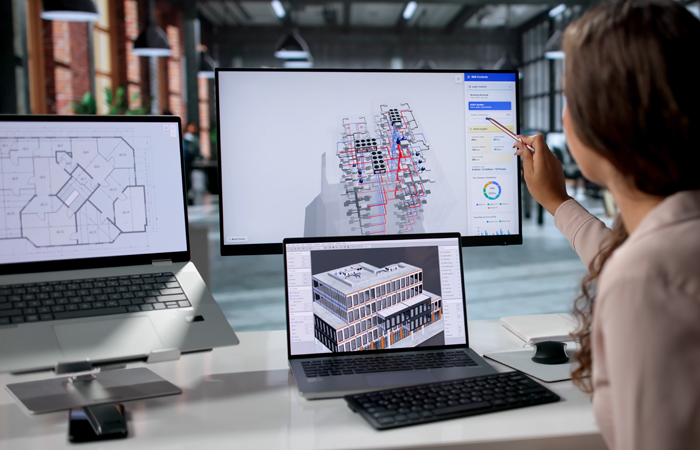
MEP BIM coordination allows teams to detect clashes in a 3D model before construction.
BIM can help teams review:
- Duct and pipe clashes
- Cable tray conflicts
- Access clearances
- Equipment room layouts
- Shaft coordination
- Ceiling coordination
- Maintenance zones
- Construction sequencing
MEP BIM coordination reduces uncertainty and gives contractors clearer installation information.
How MEP Engineering Services Reduce Delays
MEP engineering services support better project delivery in several ways.
They help teams:
- Detect clashes early.
- Improve design coordination.
- Reduce site rework.
- Improve installation sequencing.
- Support procurement planning.
- Improve shop drawing quality.
- Maintain better documentation.
- Support smoother handover.
The earlier coordination begins, the lower the risk of costly site changes.
What Owners and Contractors Should Expect
A strong MEP engineering partner should provide structured coordination, accurate documentation and clear communication.
Expected deliverables may include:
- MEP design drawings
- Load calculations
- Equipment schedules
- Duct and pipe layouts
- Cable tray layouts
- Coordination models
- Clash reports
- Shop drawings
- Quantity take-offs
- As-built drawings
- Handover documentation
The partner should also support design reviews and coordination meetings.
Common MEP Coordination Mistakes
Projects often face problems when teams:
- Start coordination too late
- Work with incomplete inputs
- Ignore access clearances
- Skip model quality checks
- Use outdated drawings
- Fail to coordinate ceiling zones
- Miss equipment maintenance space
- Treat BIM as only a modeling task
- Do not define responsibility for clashes
Clear ownership and consistent reviews can prevent many of these issues.
What to Look for in an MEP Engineering Partner
Before choosing an MEP engineering services provider, teams should ask:
- Do they understand multi-discipline coordination?
- Can they support BIM-based workflows?
- Do they understand construction sequencing?
- Can they prepare accurate shop drawings?
- How do they manage design revisions?
- Do they check access and maintainability?
- Can they support fast-track projects?
- How do they manage model quality?
- Can they coordinate with architects, structural teams and contractors?
- Can they support as-built documentation?
A good MEP partner should reduce confusion, not add another coordination layer.
TAAL Tech’s Role in MEP Engineering Services
At TAAL Tech, we support MEP engineering services for buildings, industrial facilities, data centers, commercial spaces and infrastructure programs.
Our teams help with MEP design support, BIM coordination, clash detection, shop drawings, construction documentation, as-built updates and multi-discipline coordination.
The focus is to help project teams reduce rework, improve constructability and deliver coordinated MEP systems that support real building performance.