
18
August, 2026
Digital Mock-Up in Aircraft Cabin Design: Finding Integration Problems Before Modification Begins
Finding an interference on screen is an engineering task.
Finding it after parts have been manufactured or an aircraft has entered modification is a programme problem.
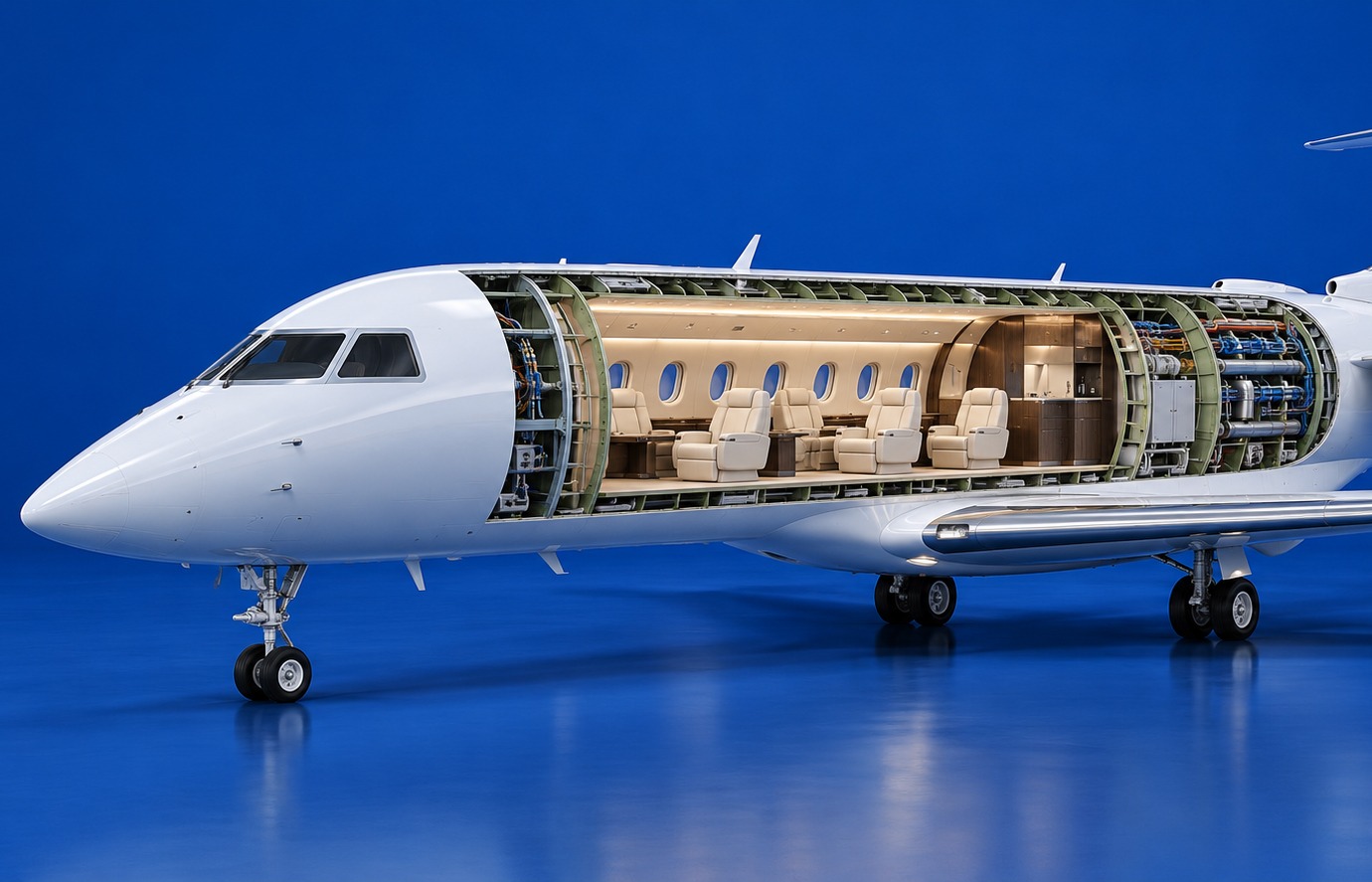
That difference explains why Digital Mock-Up in aircraft cabin design matters. As airlines keep aircraft in service longer and cabin retrofit activity grows, engineering teams need a clearer view of how a new cabin interacts with an aircraft whose structure, systems and available space are already largely fixed.
And the market is moving in exactly that direction.
More Older Aircraft Means More Engineering Inside Existing Space
IATA reported in June 2026 that the aircraft order backlog had crossed 18,000, while the average fleet age had reached a record 15.2 years. Supply-chain failures alone cost airlines at least $11 billion in 2025, according to the association.
At aircraft level, the retrofit cycle is also becoming visible. Airbus says initial A350 cabin retrofits typically occur at around eight years of service, and more than 390 A350s are expected to have reached that age by 2028.
For an aircraft cabin modification, this creates a particular engineering challenge.
The customer may want new seating, larger bins, different monuments, connectivity or an entirely revised passenger product. But almost every cubic centimetre around those new installations already has a job.
Structure is there.
Systems are there.
Electrical installations are there.
Existing brackets, panels and equipment are there.
The engineering problem is therefore not simply designing something new.
It is making the new design coexist with everything that stays.
That Is Where an Aircraft Digital Mock-Up Earns Its Value
The idea of an aircraft digital mock-up is not new. Airbus identifies the A380 as the first aircraft for which its engineers used a full DMU during design, establishing an approach that has since become deeply embedded in digital aircraft development.
The more interesting development for retrofit teams is what happened next.
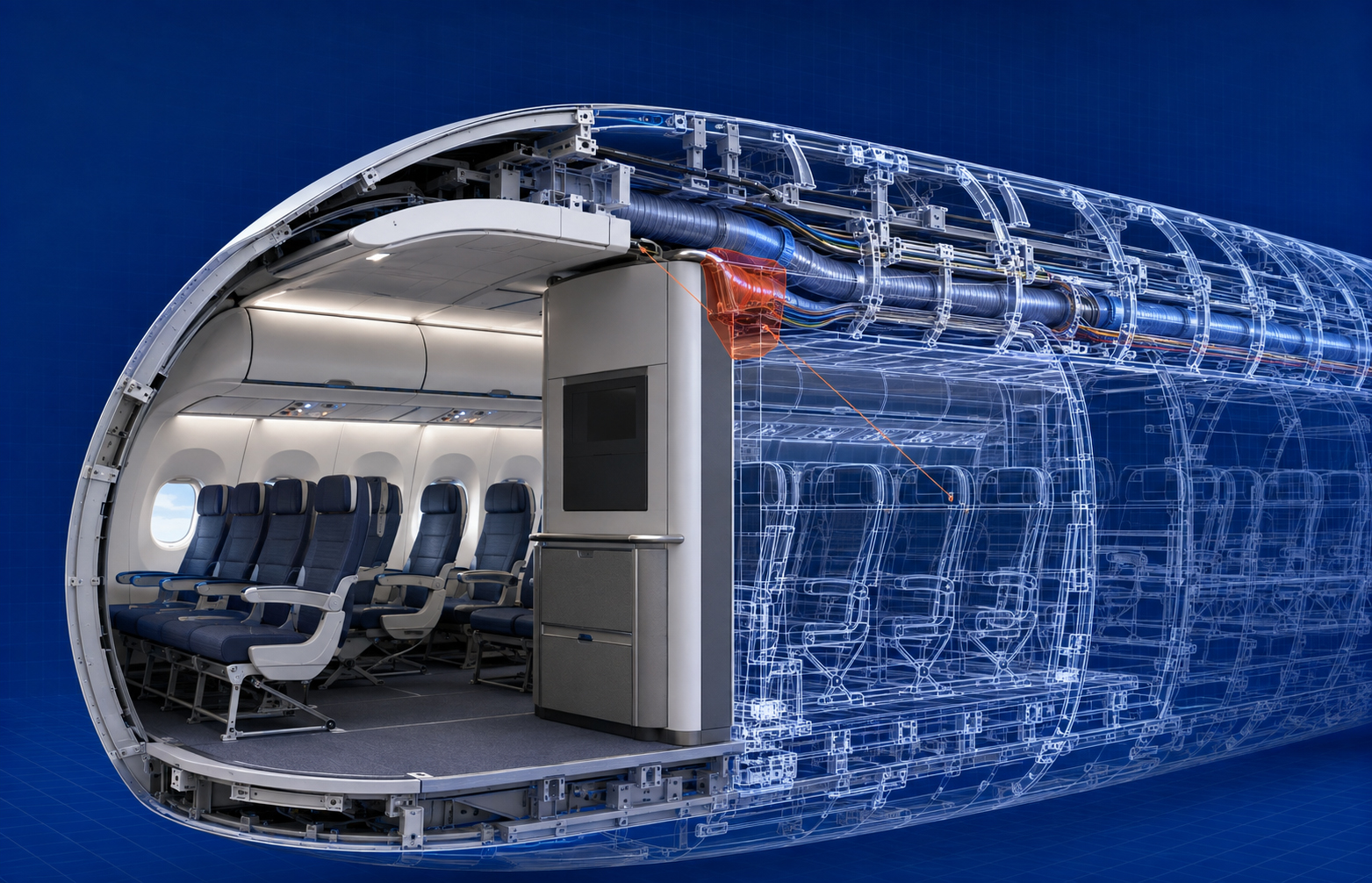
For the A350, Airbus describes the DMU as representing the entire aircraft design in 3D throughout its lifecycle, including design upgrades and modifications.
That turns an aerospace digital mock-up into much more than a visualisation asset.
It becomes somewhere to ask engineering questions before those questions reach physical hardware.
A useful DMU should help answer:
- Does the new monument interfere with existing structure?
- Are attachment locations actually feasible?
- Is there room for water, waste, ventilation or electrical routing?
- Can the component be brought into the aircraft and positioned?
- Can technicians reach fasteners and connections?
- Is sufficient maintenance access retained?
- What other design definitions are affected if the component moves?
That is the real difference between 3D aircraft modeling and useful aircraft integration engineering.
The goal is not simply to see more geometry.
It is to discover more consequences.
The Most Expensive Clash May Be the One Between Disciplines
Consider a new lavatory position.
From the aircraft cabin design perspective, the move might improve seat count, aisle arrangement or passenger flow.
Structures may then find that the revised location changes an attachment condition.
Mechanical engineering may find that waste or water routing becomes more difficult.
Electrical engineering may have an installation running through the newly required space.
The installation team may eventually discover that a connection is technically accessible in the model but impossible to complete once the neighbouring monument is fitted.
Nobody necessarily made a poor engineering decision.
Each discipline simply solved its own problem without enough visibility of what the others were doing.
This is where aircraft design integration becomes the point of the DMU.
When cabin, structures, systems and installation geometry are reviewed together, the programme has a better chance of identifying competing demands while the design remains flexible.
The DMU effectively changes the question from:
Does my design work?
to:
Does our installation work?
For complex retrofit programmes, that is a much more valuable question.
Airbus' A321XLR Programme Shows What Concurrent Digital Review Can Look Like
Airbus' digital work on the A321XLR provides a useful industry reference.
Under its Digital Design, Manufacturing and Services approach, Airbus used a 3D DMU database designed to support concurrent design, assembly simulations and real-time 3D visibility across engineering teams. The programme also extended 3D visibility to programme managers rather than limiting it to design engineers.
That second point deserves attention.
Digital engineering creates more value when the model becomes a programme decision environment, not simply an engineering file.
A cabin engineering lead can examine the monument.
Structures can review attachment feasibility.
Systems teams can examine routing.
Manufacturing engineering can question the assembly approach.
Maintenance specialists can assess accessibility.
Programme management can see why a proposed change has consequences outside the original work package.
For digital aircraft design, the value lies in bringing those conversations forward.
A Digital Fit Check Should Include How the Aircraft Will Be Modified
Imagine the final installation exists perfectly in the DMU.
That still does not prove it can be installed efficiently.
A stronger Digital Mock-Up in aircraft cabin design should allow teams to challenge the sequence.
- Does the monument pass through the door?
- Can it move along the aisle?
- What has to be removed before it arrives?
- Can the unit be rotated into position without interference?
- At what point are water, ventilation or electrical connections made?
- Will surrounding installations block tool access?
- Can the same component later be removed without dismantling several unrelated items?
Airbus has previously applied 3D technology and virtual environments specifically to systems installation design on the BelugaXL programme, combining structural and systems information to support installation activities.
The principle translates directly to aircraft interior design engineering.
Checking where a component ends up is useful.
Checking how it gets there is far more valuable.
The Digital Model Can Also Help Expose Change Propagation
This may be one of the most useful DMU applications for retrofit programme leaders.
A customer changes one cabin requirement late in development.
Perhaps a monument moves 50 mm.
The visible change is small.
The engineering response may not be.
That 50 mm could influence:
- Monument geometry
- Structural attachments
- Brackets
- Water or waste routing
- Ducting
- Harness routing
- Adjacent lining
- Installation sequence
- Detail drawings
- Bills of material
- Certification documentation
In a fragmented engineering environment, those impacts can surface one after another.
An integrated aerospace digital mock-up gives teams a better opportunity to identify several of them around the same design event.
That can change the economics of iteration.
The goal is not to eliminate design change. Customer requirements will change, interfaces will evolve and unexpected constraints will still appear.
The goal is to stop a small decision from travelling unnecessarily far downstream before its consequences become visible.
But a Sophisticated DMU Can Still Give the Wrong Answer
There is an important qualification.
The model is only useful if it represents the aircraft being modified.
Retrofit programmes may involve aircraft with different production standards, previous cabin configurations, repairs, service bulletins or operator-specific changes.
That creates a potential blind spot in digital mock-up aerospace workflows.
A detailed new monument checked against an outdated aircraft baseline can appear perfectly integrated.
Until it reaches the aircraft.
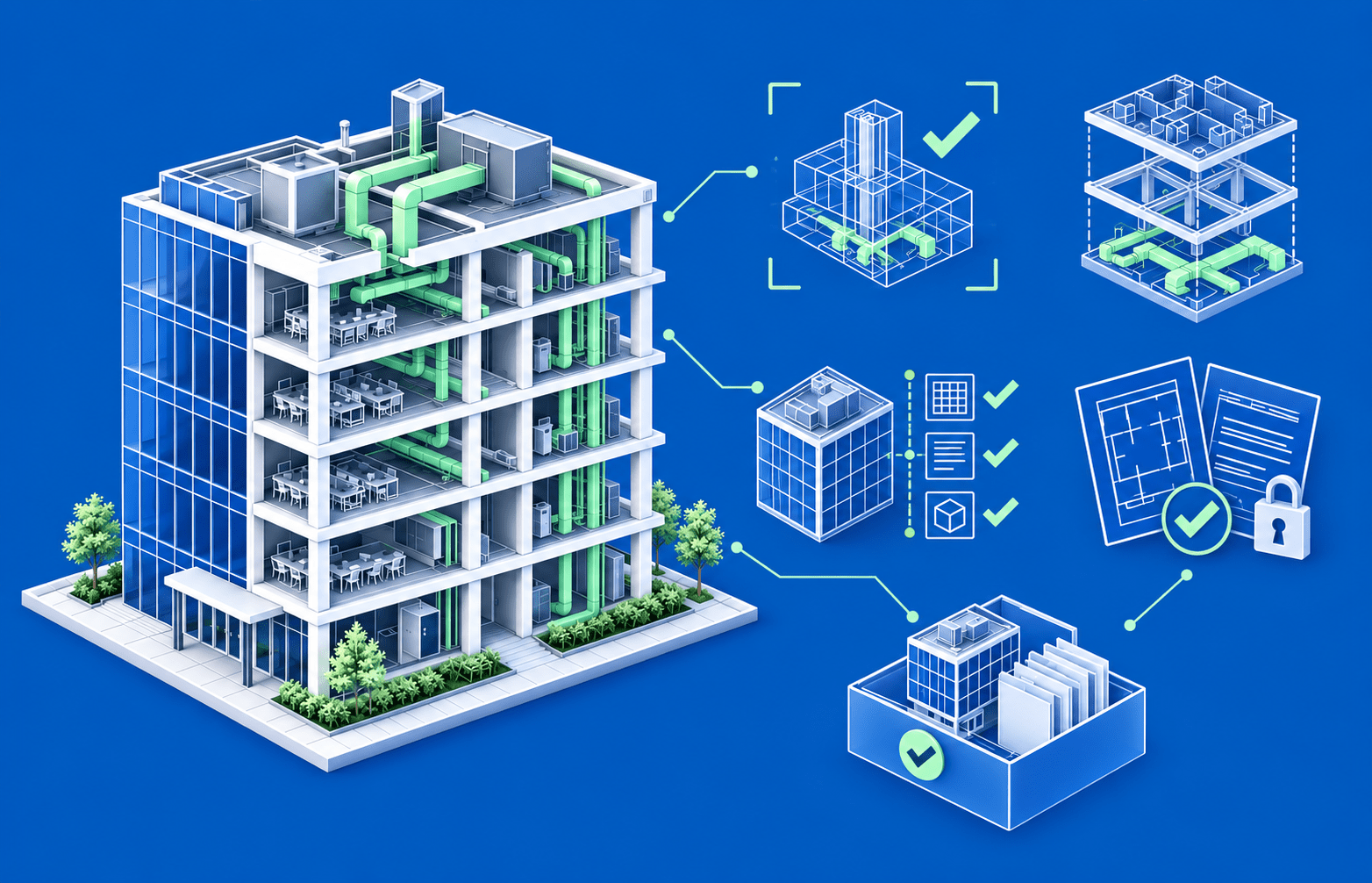
Reliable aircraft design integration therefore depends on configuration management as much as model sophistication. Teams need confidence in the applicable structural definition, system installations, previous changes and aircraft-specific differences.
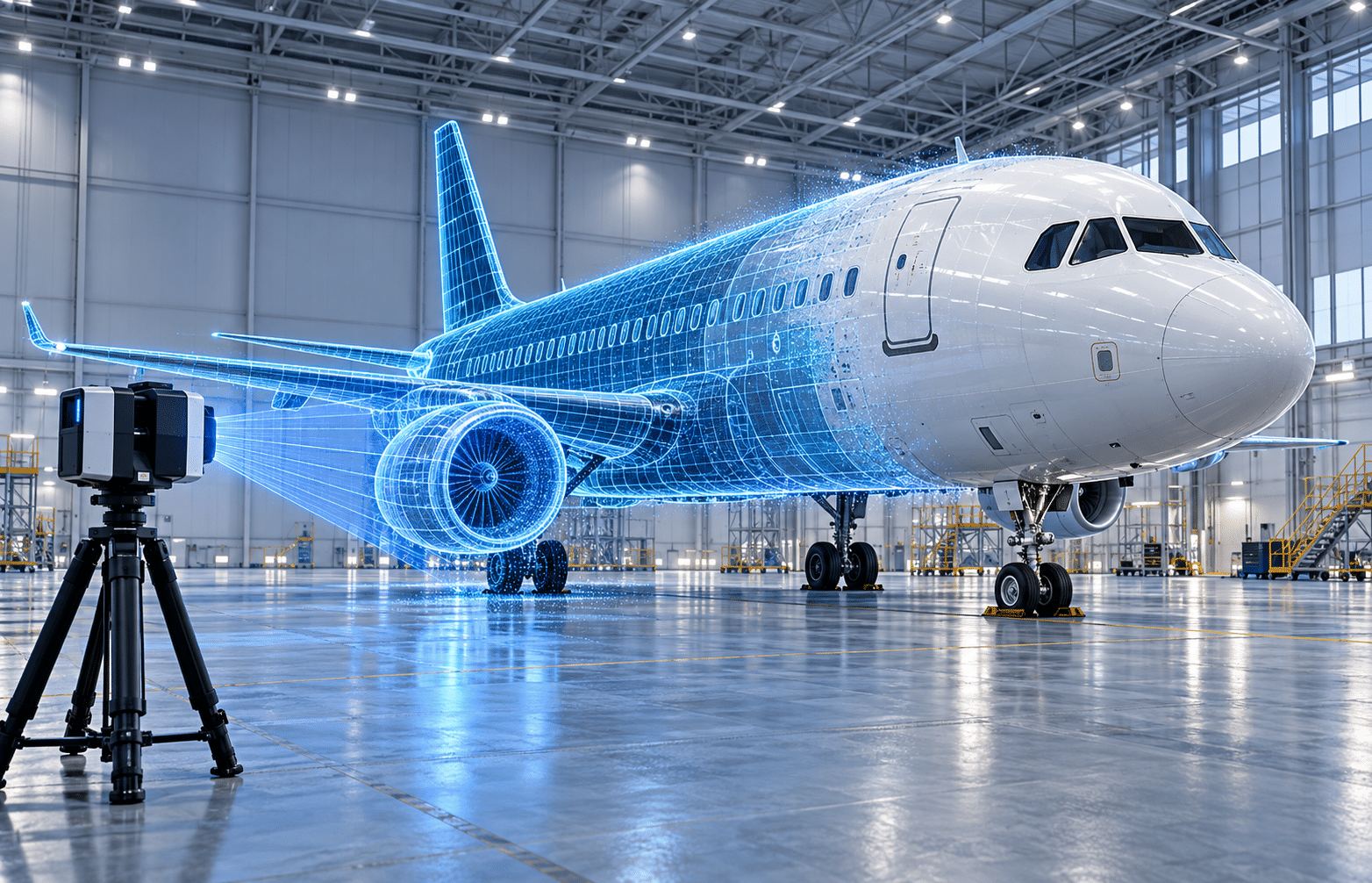
For ageing or legacy platforms, usable digital information may also be incomplete. In those cases, available drawings, measurement data, legacy CAD and reverse-engineered geometry may need to be brought together before the model is reliable enough to support downstream decisions.
More polygons do not create more certainty.
Better configuration information does.
Where TAAL Tech Supports the Digital Engineering Process
A DMU becomes considerably more useful when the engineering team reviewing the aircraft can also resolve what the model exposes.
TAAL Tech supports Digital Mock-Up in aircraft cabin design through capabilities spanning aircraft cabin and monument design, structural engineering, mechanical systems integration, 3D modelling and detailed installation definition.
This means a clash or integration concern does not have to remain a red marker in a model. Engineering teams can assess the surrounding interface, develop the required design change and progress approved solutions into the detailed engineering definition.
For OEMs, Tier-1 suppliers, MROs and other aerospace organisations managing multiple programmes, this combination of aircraft cabin engineering and digital integration can also provide scalable engineering capacity when internal teams are already managing demanding modification workloads.
The objective is not to create a more impressive digital cabin.
It is to close more engineering questions before the aircraft reaches physical modification.