17
November, 2026
Plant Competitiveness When Major CAPEX Is Constrained: 5 Engineering Priorities for Europe’s Chemical Industry
Can existing assets deliver more value before companies commit to major new investment?
Europe's chemical industry faces high energy costs, global competition, uncertain demand and more selective investment decisions. Cefic's January 2026 closures radar, prepared by Roland Berger, counts about 37 million tonnes of announced closures between 2022 and 2025. That is roughly 9% of European production capacity (32 million tonnes within the EU27). EU27 capacity utilisation stayed around 75% in the first half of 2026.
Low utilisation stems mainly from weak demand, energy costs and imports, so the useful question is not how to add tonnes. It is how to make retained assets more reliable, efficient and ready for new roles. Five engineering priorities stand out.
1. Focus on the performance of existing assets
When big investments are hard to justify, improving what a plant already has is the practical starting point. Typical opportunities include:
- Resolving equipment bottlenecks and recurring operational issues
- Targeted modifications to improve reliability and efficiency
- Reviewing utilities, piping systems and equipment interfaces
- Improving maintenance readiness and shutdown planning
- Updating P&IDs, drawings and technical documentation
Energy belongs on this list too: steam systems, condensate recovery, compressed air leaks and waste heat. Not every improvement needs a large EPC project. A focused engineering assessment or a targeted modification can remove a costly constraint, and plant engineering support makes this practical for teams already stretched by daily operations.
2. Make brownfield engineering more responsive and cost-effective
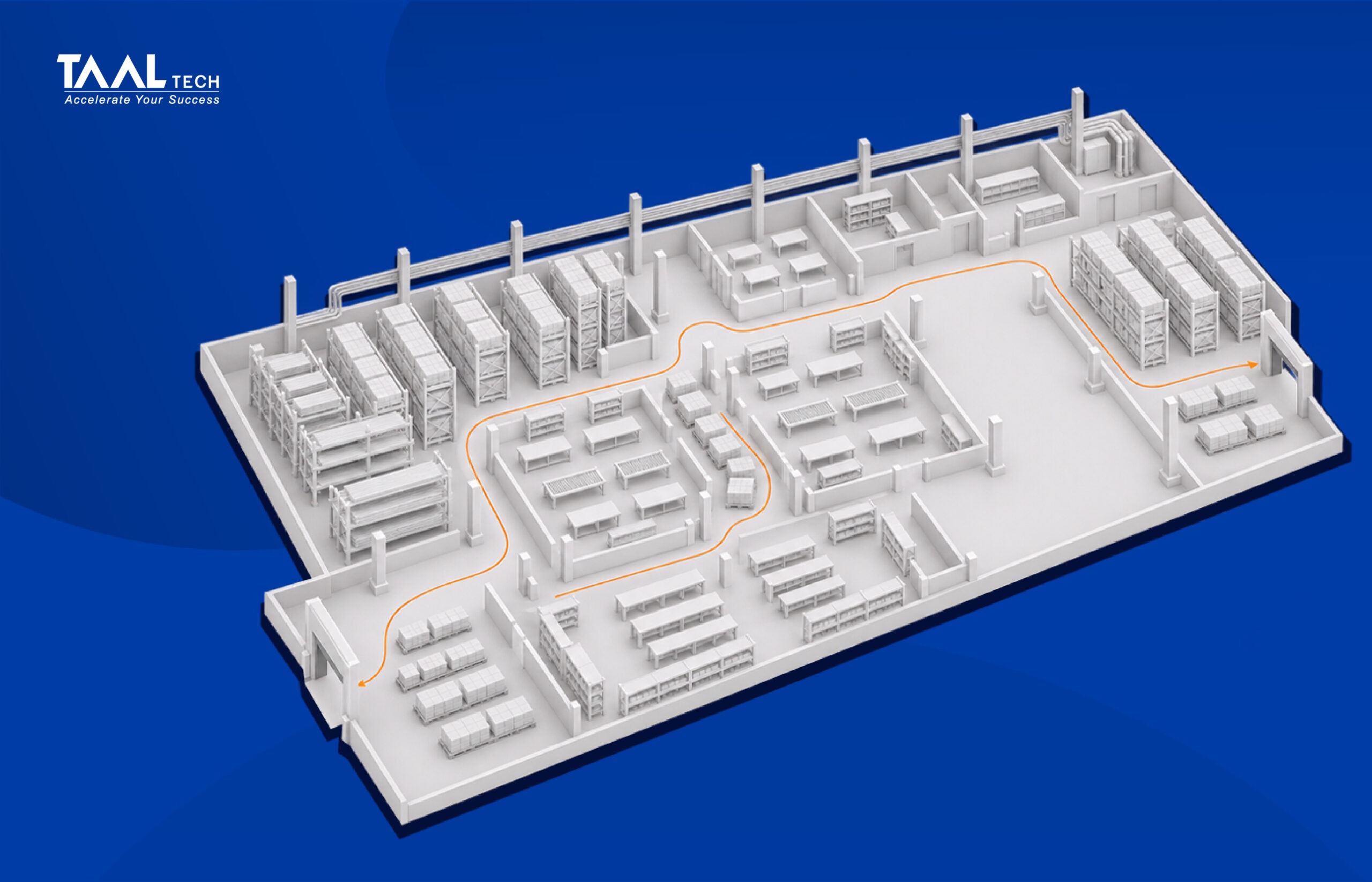
Operating plants generate constant engineering work: MOCs, equipment replacements, piping changes and small revamps. Each item is minor, but together they can overload internal teams and build a backlog that affects operational readiness.
Plants can improve execution by:
- Prioritising work by operational risk, urgency and business value
- Defining scope and deliverables early
- Coordinating piping, structural, mechanical and instrumentation requirements
- Keeping engineering documentation and change records accurate
- Preparing modification packages before planned shutdowns
The aim is to stop small engineering requirements from turning into prolonged operational problems. Multidisciplinary brownfield expertise, whether in-house or external, is what keeps these packages consistent and ready on time.
3. Treat plant consolidation as an engineering challenge, not just a restructuring
According to the same Cefic report, petrochemicals account for 48% of announced closures, followed by basic inorganics at 32% and polymers at 15%. Moving production to retained plants is rarely only an operational decision. It can require equipment upgrades, piping changes, utility reinforcement, layout changes and instrumentation updates. Utility capacity, flare loading and storage are common constraints, so early assessment matters.
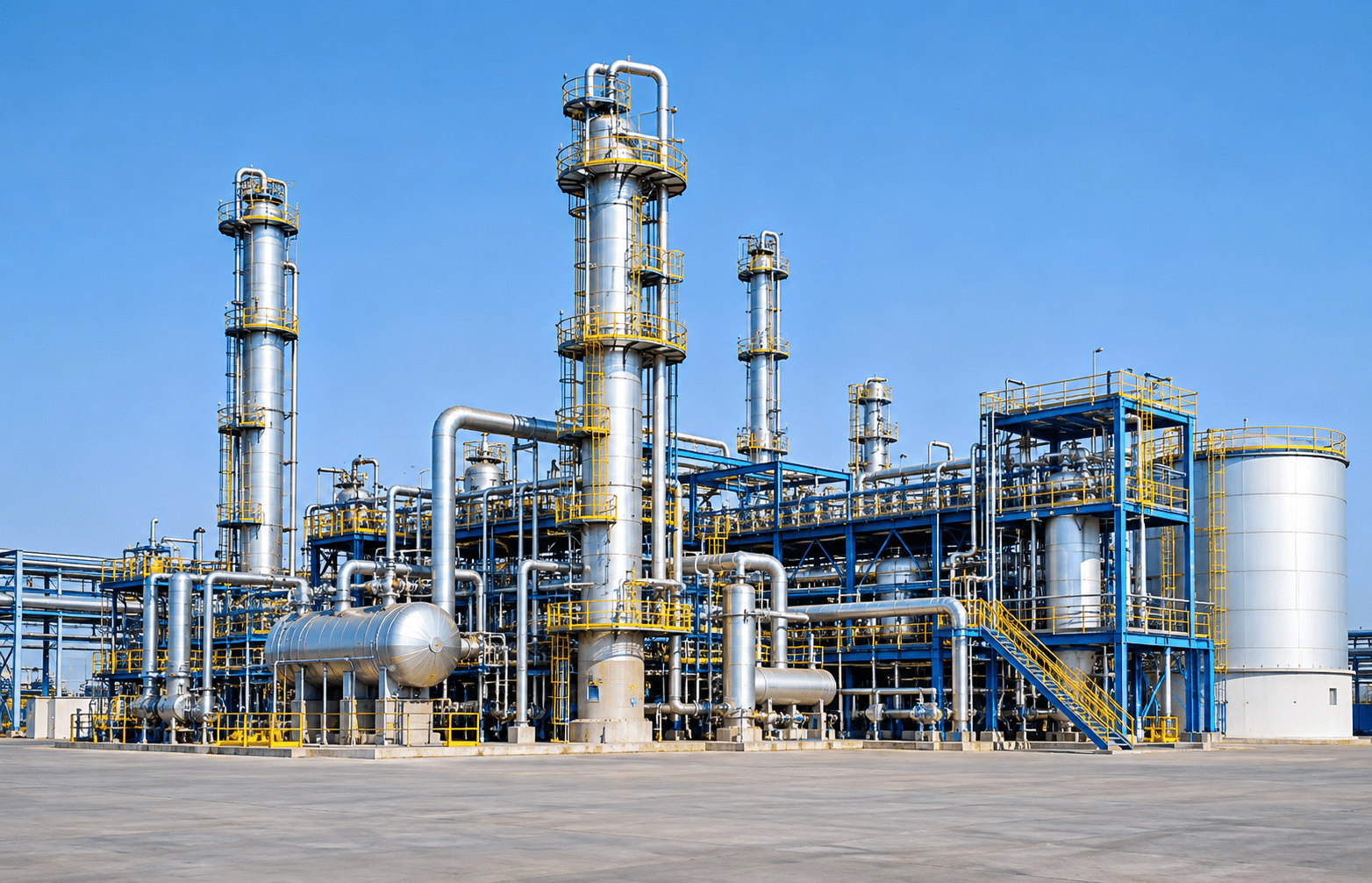
Project snapshot: European hydrogenation plant
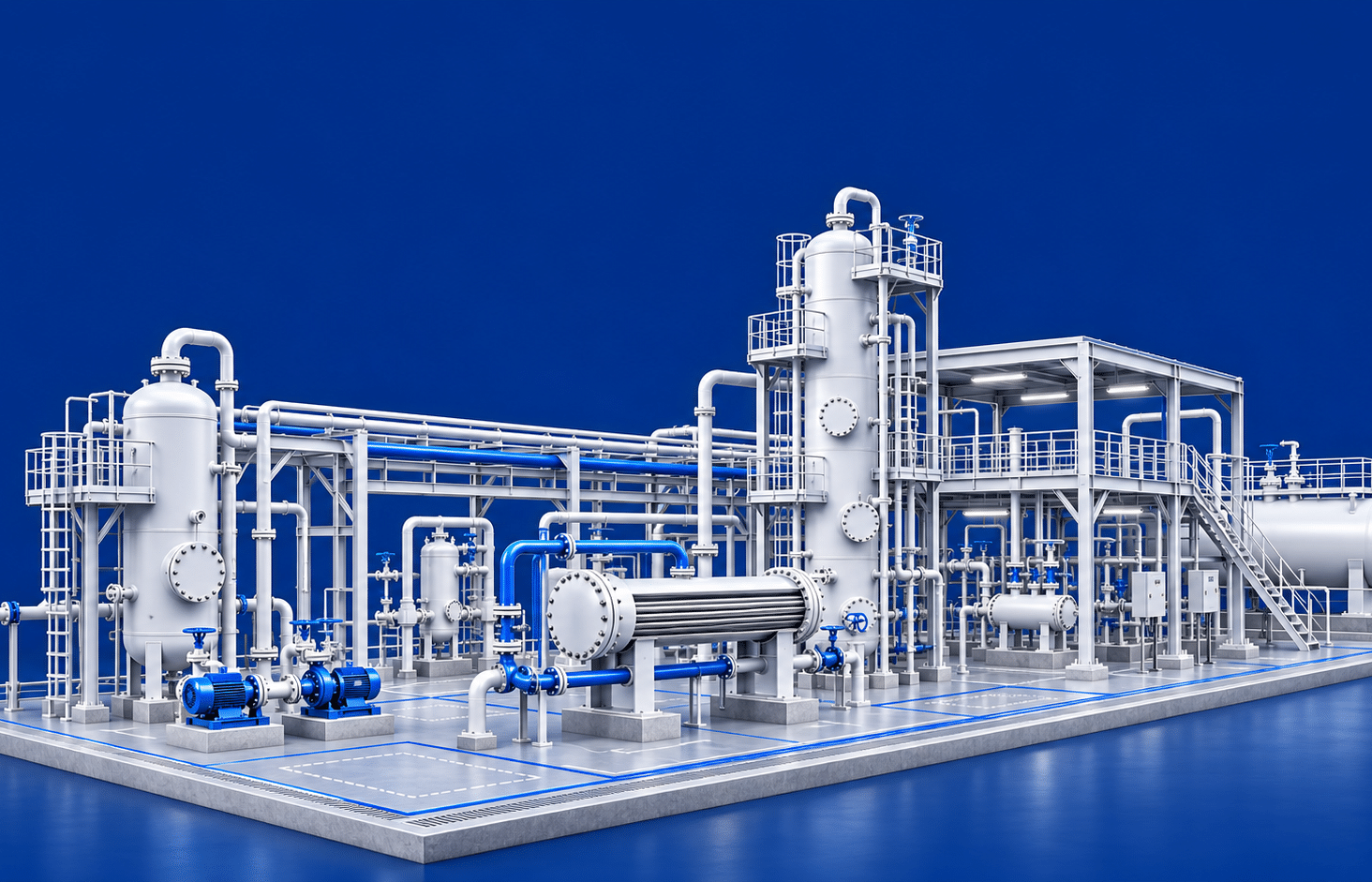
Included: Detailed engineering covered distillation and reaction areas, tank farms, compressor areas, pipe racks and flare systems, including 530+ piping lines, 60+ equipment models, 52 piping stress analyses, and multidisciplinary engineering activities
The facility has since been commissioned and is operating successfully. It was a greenfield project, but it shows the multidisciplinary coordination that plant modification and integration work also needs. For consolidation, the goal is to prepare retained assets for their new roles without adding unnecessary cost, complexity or risk.
4. Rethink the engineering delivery model
Most chemical companies already have trusted relationships with internal groups and engineering contractors, and those are not always easy to replace. But the work itself varies: large revamps need extensive multidisciplinary support, while small changes suit smaller, agile teams. Three models are increasingly used:
- Dedicated team / Centre of Excellence: engineering resources for long-term capacity, technical continuity and cost optimization.
- Managed program delivery: multidisciplinary workstreams run through a single delivery structure with clear accountability.
- Hybrid project + retainer: ongoing support with predictable costs, plus extra capacity when workloads rise.
The engagement model should adapt to the plant's needs, not the other way around.
5. Start with measurable improvements, not ambitious transformation programs
Digital engineering, predictive maintenance and analytics can improve plant performance, but they work best when aimed at a specific operating problem. A practical approach is to:
- Define the problem and its baseline performance
- Review the available data
- Run a small pilot and analyse the results
- Scale what works
The same logic applies to classic engineering improvements: clear deliverables and tangible results keep investment focused on real operational needs.
Your perspective
Engineering alone will not solve Europe's competitiveness challenges. Feedstock costs, energy economics, industrial policy and market demand all play a role. But better use of existing assets, tighter change management and a flexible engineering model are within a plant's control.
I'd like to hear from others in the industry:
- Which of these priorities is the biggest constraint at your site today?
- What has helped you clear an engineering backlog or prepare a plant for a new role?
When major CAPEX is constrained, the next competitive advantage may come from making better use of the plants and engineering capabilities companies already have.