Plant Engineering Across Complex Industrial Interfaces
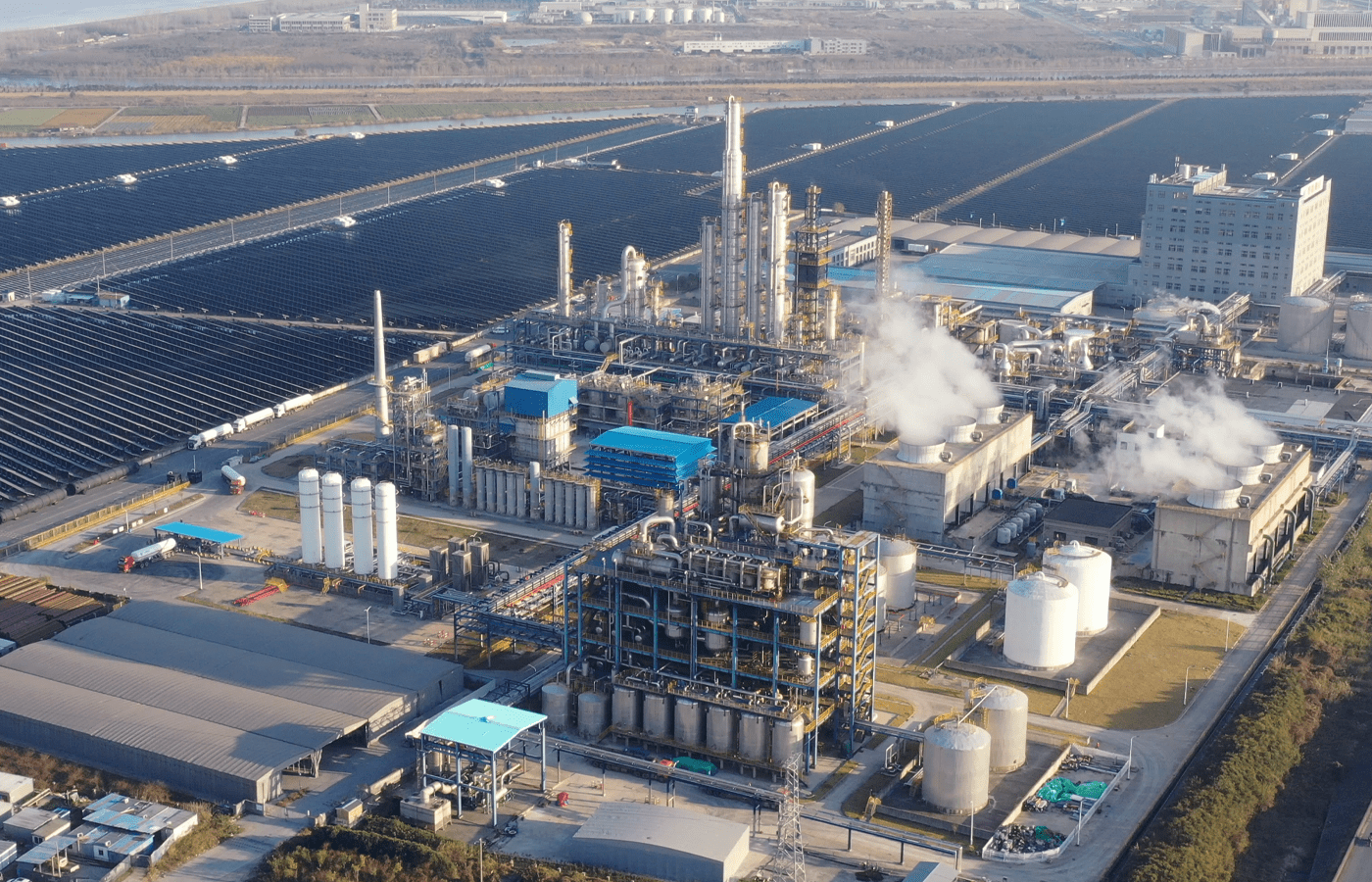
Projects in Hamburg’s industrial and port areas often connect process equipment with storage systems, utilities, marine infrastructure, logistics networks and existing production assets. A change within one part of the facility can therefore create engineering requirements across several disciplines and operating boundaries.
TAAL Tech provides plant engineering services in Hamburg for EPCs, plant owners, technology providers and equipment manufacturers. We deliver FEED support, detailed engineering, brownfield modifications and balance-of-plant integration across process, mechanical, piping, structural, electrical and instrumentation disciplines.
Our global engineering teams can execute individual packages or add multidisciplinary capacity to larger programs. We work through agreed project systems and review stages, coordinating design information with vendor data and existing-plant requirements through procurement, fabrication and construction.
Engineering Aligned with German and European Requirements
Our engineers work to applicable DIN, EN, ISO, ASME and IEC standards, along with PED, ATEX, German regulatory requirements and client specifications. These requirements are incorporated across equipment selection, piping design, structures, electrical systems and instrumentation deliverables.
For operational sites, engineering reviews consider hazardous areas, corrosion exposure, weather conditions, maintenance access and construction sequencing. Port and terminal projects may also require careful coordination between landside plant systems, storage facilities and loading or transfer infrastructure.

Industries We Cater To in Hamburg
Hamburg’s economy combines maritime activity, refining, chemicals, aviation, food production, renewable energy and life sciences. We help project teams coordinate the plant systems behind these industries, from new installations and capacity expansions to equipment replacement and long-term modernization.
Oil and Gas/ LNG
Hamburg’s port and industrial areas include refining, tank storage, fuel handling and terminal infrastructure. We support these facilities with equipment layouts, piping design services, utility integration and brownfield tie-in engineering. Designs account for transfer systems, hazardous areas, access and connections between new packages and operating assets.

Chemicals / Petrochemicals
Chemical and petrochemical facilities require close coordination across process units, storage, utility networks and loading systems. We support capacity increases, equipment replacements and process modifications with integrated layouts, piping and multidisciplinary engineering, helping teams understand the plant-wide implications of each change.

Discrete Manufacturing
Hamburg’s manufacturing base includes aviation, maritime equipment, machinery and other specialized industrial products. We engineer production expansions and equipment installations, connecting machinery with foundations, power, ventilation, utilities and material-handling requirements. Layouts also account for maintenance and equipment movement through active facilities.

Power and Utilities
Port operations, production plants and industrial campuses depend on reliable electrical, steam, water, cooling and compressed-air systems. We assess the demand created by new assets and develop the corresponding utility modifications. Our scope can also extend to district-energy, waste-heat recovery and the conversion of existing energy infrastructure.

Mining and Minerals
Hamburg’s port handles raw materials and bulk commodities moving through storage, transfer and processing systems. We support mineral and material-handling facilities with equipment integration, conveyor and transfer-point interfaces, structural coordination and utility engineering, with attention to access, dust control and maintainability.

F&B
Hamburg’s role as a food import, processing and distribution center creates varied engineering requirements across production and storage facilities. We support equipment installations and line modifications through piping, HVAC, drainage, electrical and structural coordination, considering hygiene, temperature control and operating schedules.

Renewable Energy
Hamburg is developing capabilities across offshore wind, hydrogen and lower-carbon energy infrastructure. We provide balance-of-plant engineering for generation, storage, conversion and import-related projects. Our teams coordinate technology packages with piping, electrical systems, structures, auxiliary utilities and controls.

Pharma (API)
Hamburg and Northern Germany have an established network of pharmaceutical, biotechnology and medical-technology companies. We support regulated manufacturing facilities with process-equipment integration, plant and clean utilities, HVAC coordination and controlled engineering documentation. Modifications are developed around existing systems and change procedures.

Service Offerings in Hamburg
Our plant design services cover early project development, detailed engineering, procurement coordination, construction assistance and recurring asset modifications. We can deliver a defined package or establish a multidisciplinary engineering team aligned with the project’s workload, standards and schedule.
FEED Support
Our FEED support develops design criteria, layout concepts, utility requirements, equipment inputs and project boundaries. For port and brownfield facilities, early reviews also examine transfer interfaces, available infrastructure and the connections that must be resolved before detailed engineering begins.

Detailed Engineering
Our detailed engineering services produce coordinated calculations, models, specifications, datasheets, drawings and material takeoffs from approved design inputs. Vendor information is incorporated across connected systems, and changes are traced into the deliverables required for procurement, fabrication and installation.

Discipline Engineering
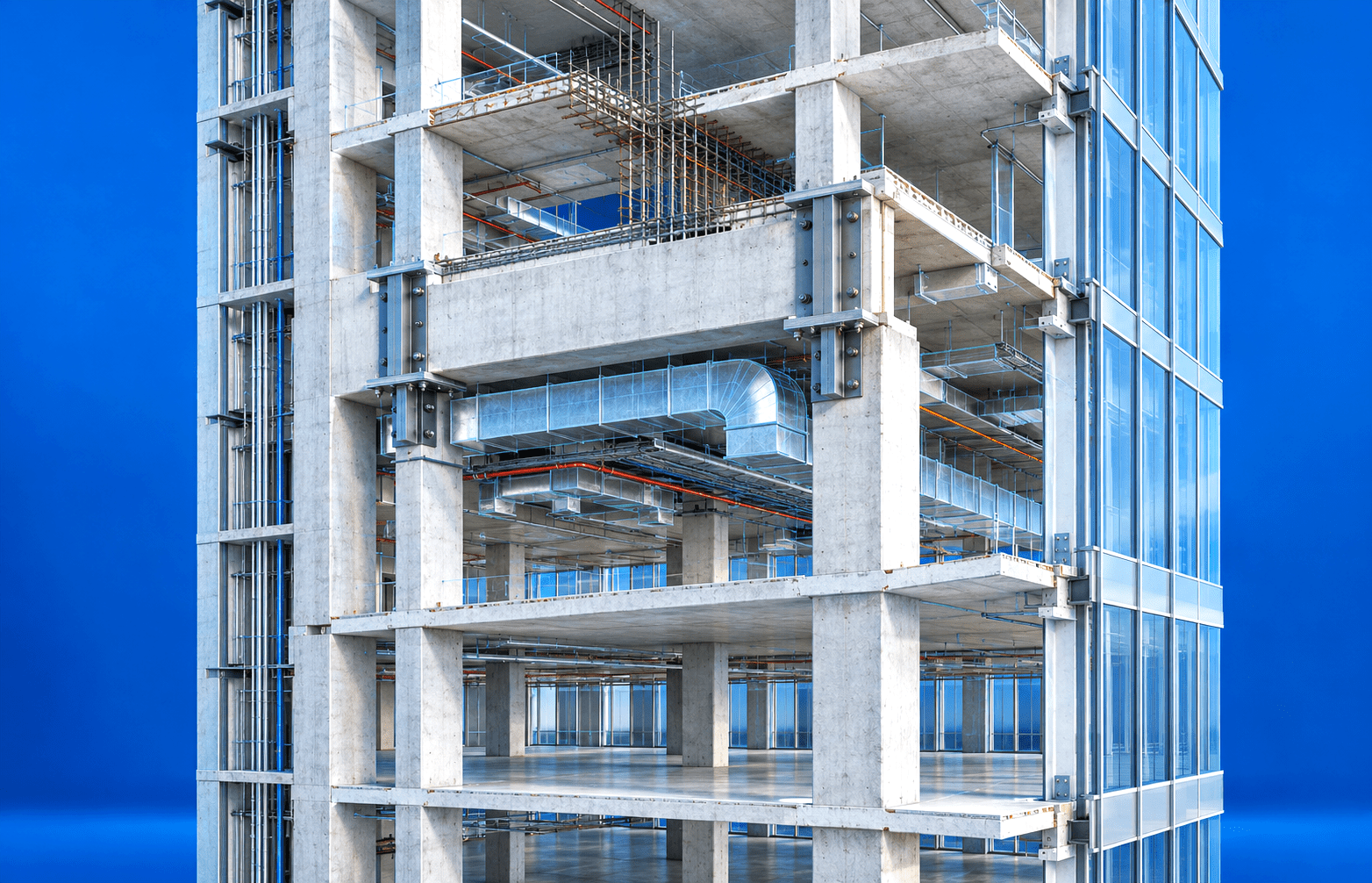
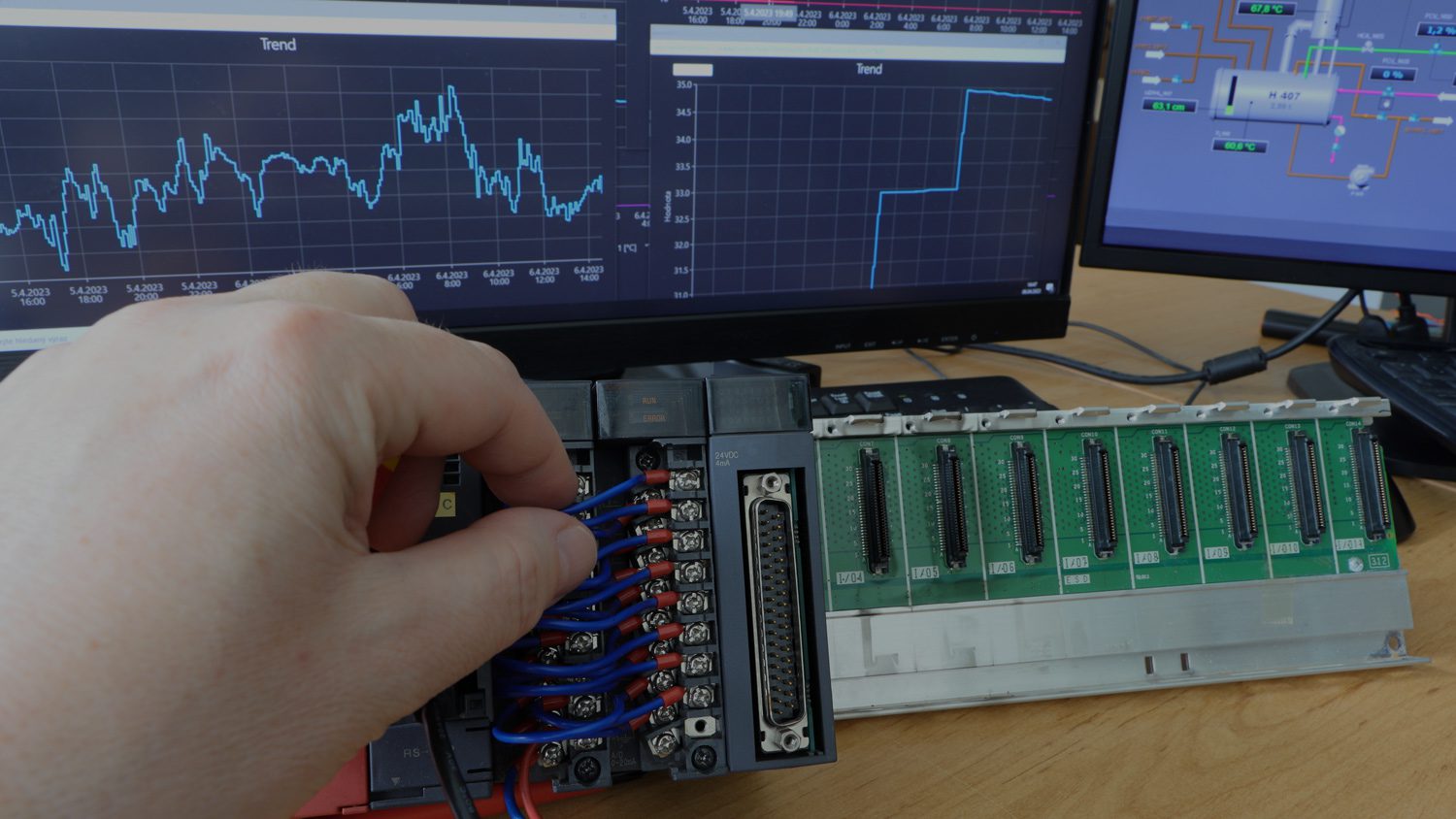
Our multidisciplinary capabilities cover process, mechanical, piping, HVAC, civil, structural, electrical, instrumentation and fire-protection engineering. Piping design services are coordinated with equipment, structures, cable routes and access requirements, helping resolve competing demands within process units, terminals and utility corridors.

Procurement Assistance
We prepare technical requisitions, assist with bid evaluations, review supplier documents and address technical queries. Package interfaces are checked against foundations, piping, utilities, electrical supplies and controls. This helps identify unclear scope divisions and missing information before fabrication commitments are made.

Asset Management
We support management of change through engineering assessments, equipment and tag revisions, drawing updates and controlled as-built information. This creates a traceable connection between modifications and the affected assets, giving operations and maintenance teams dependable records for later work.

Digital Engineering
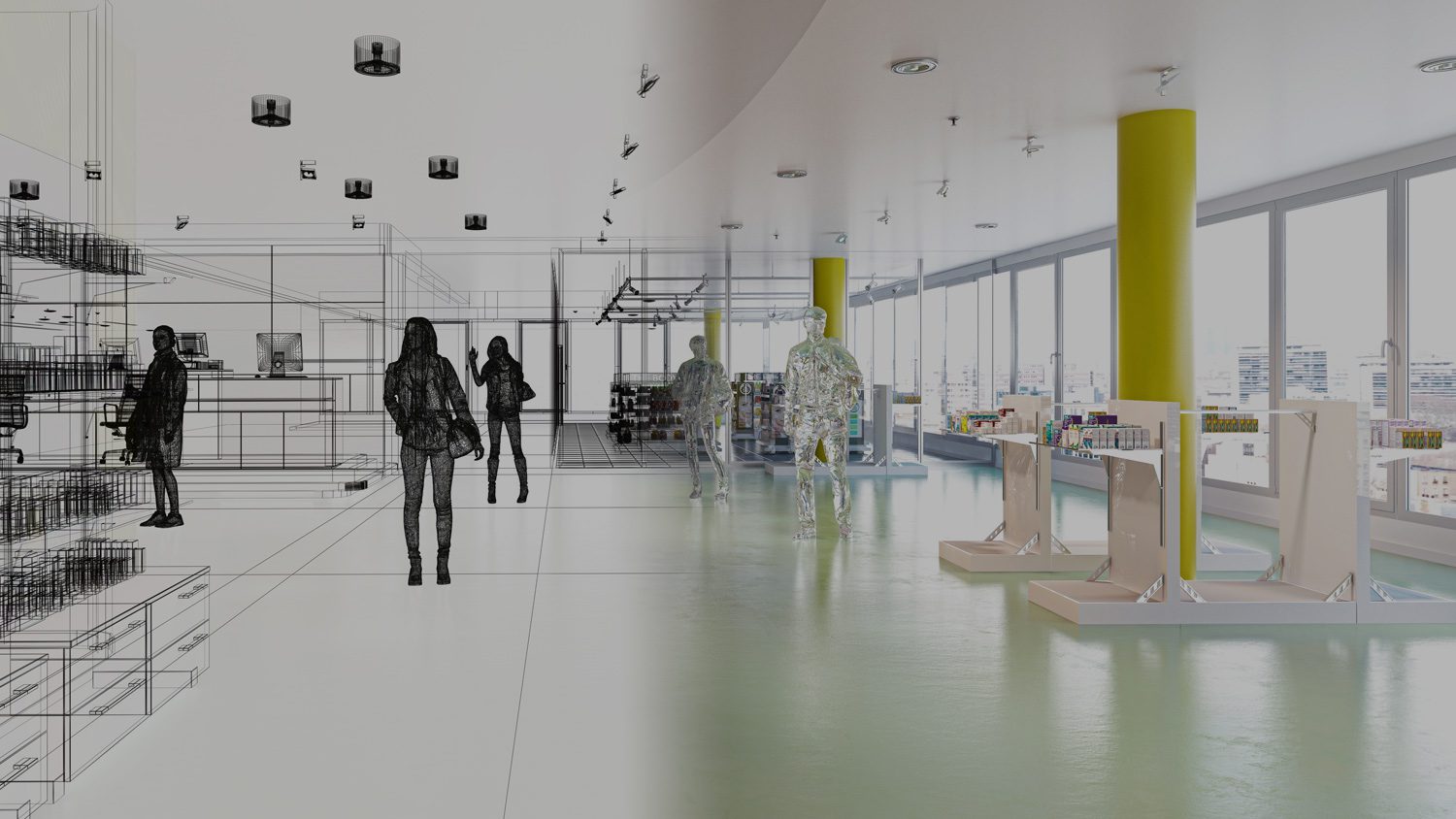
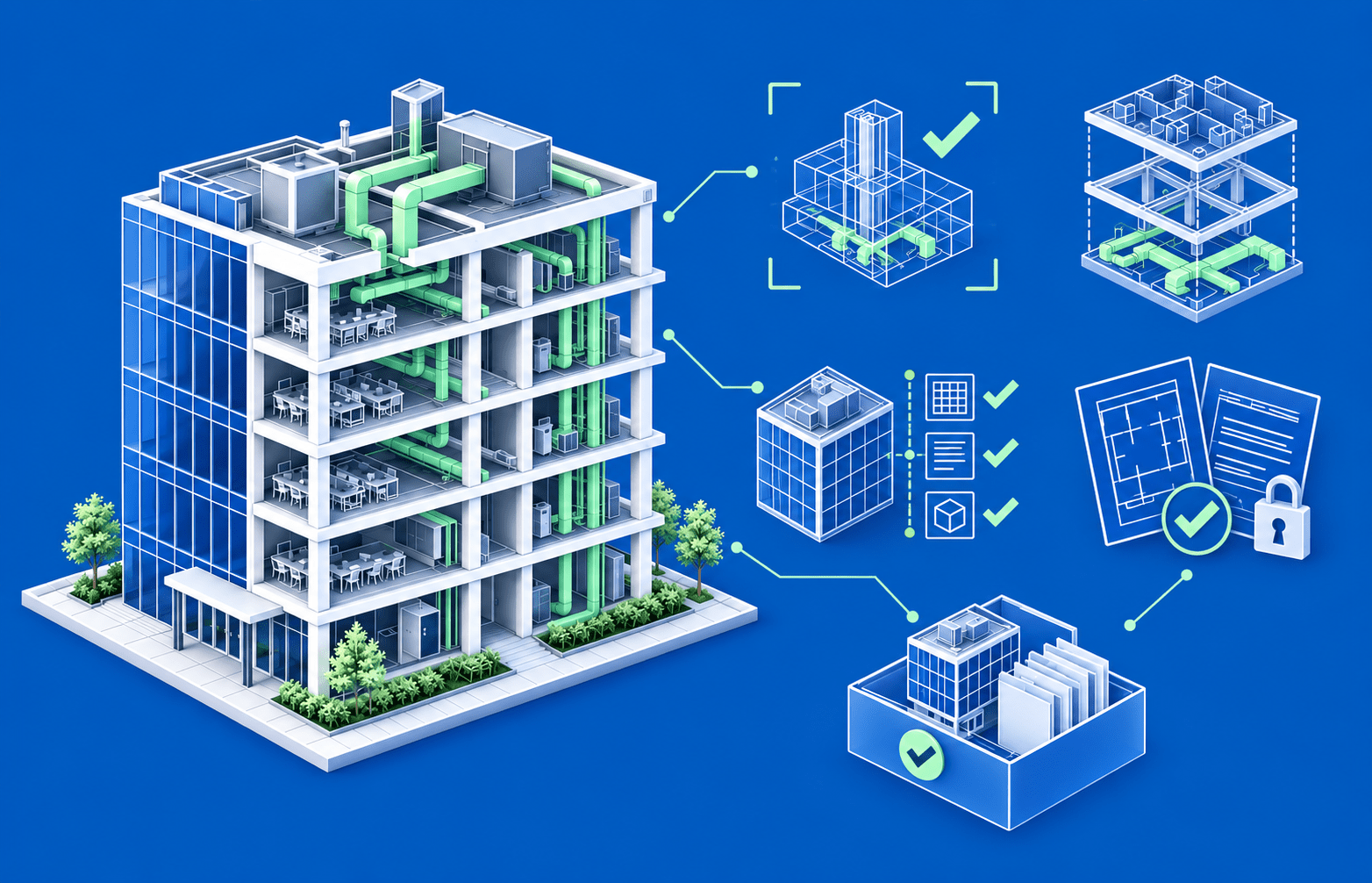
Our digital engineering workflows combine discipline models, supplier information and available data from the existing facility. Model reviews identify clashes, access restrictions and incomplete connections. Resolved issues are then incorporated into the drawings, models and technical documents used by downstream teams.

Sustenance Engineering
Our brownfield engineering services cover equipment replacements, terminal modifications, utility upgrades, reliability improvements and documentation maintenance. Engineering packages are developed around verified site conditions, tie-in requirements and planned outages, helping facilities manage recurring changes through a consistent process.

Special Studies
We carry out feasibility, option and constructability studies for plant expansions, terminal modifications and technology conversions. Reviews can compare layouts, routing alternatives, utility impacts and installation strategies, helping owners understand the wider project scope before advancing to detailed engineering.

Plant 3D Modeling
Our plant 3D modeling services bring equipment, piping, structures and utilities into a coordinated model. Existing drawings, scan data and verified site information can be incorporated for brownfield work. Teams can use the model to evaluate routing, maintenance access, loading interfaces and installation constraints before construction release.

Talk to Our Experts Today



Explore Our Resources
We nurture knowledge sharing and vouch for the power of continuous learning. Stay updated with our latest industry insights, case studies and events.