
Plant Engineering Where Space and Performance Both Matter
In Greater Boston, a facility upgrade may need to fit around an active laboratory, validated production area, occupied campus or tightly planned industrial site. Equipment cannot be considered separately from the utilities, ventilation, structures, controls and access routes needed to operate it.
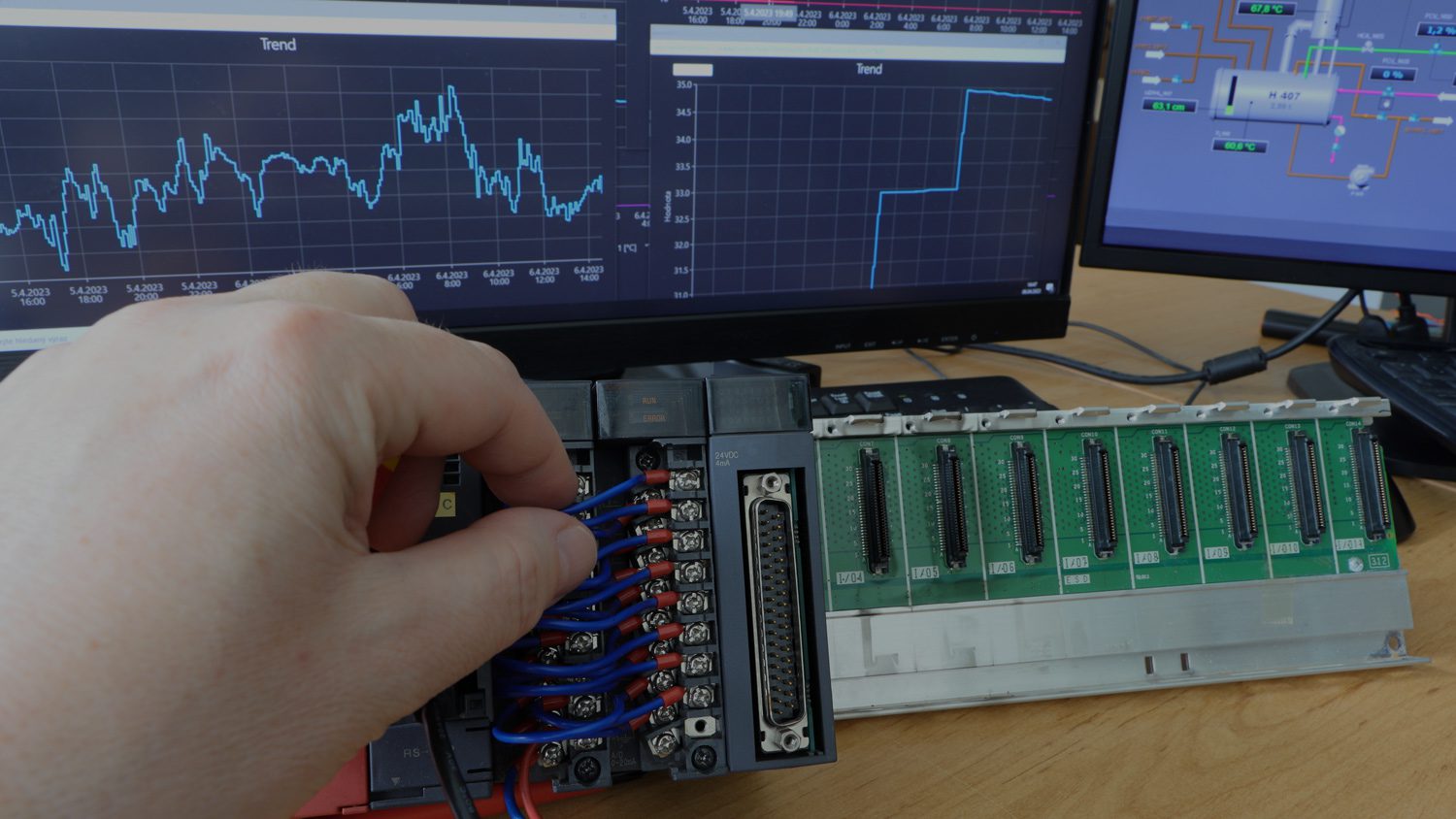
TAAL Tech provides plant engineering services in Boston for EPCs, facility owners and equipment manufacturers. We undertake FEED support, detailed engineering, plant modifications and balance-of-plant integration across process, mechanical, piping, HVAC, structural, electrical and instrumentation disciplines.
Our global engineering teams add scalable capacity to projects while working within the client’s technical environment. We coordinate design information across engineering documents, models and vendor packages, helping project teams maintain continuity from approved concepts through procurement and construction.
Engineering Aligned with Project and Site Requirements
Our engineers work to applicable ASME, API, ANSI, TEMA, AISC and NFPA standards, OSHA requirements, Massachusetts regulations and client specifications. For pharmaceutical and other controlled facilities, project-specific quality, documentation and clean-environment requirements are incorporated into the engineering workflow.
Design reviews consider equipment access, utility capacity, construction routes, existing operations and the effect of New England weather on external systems. These requirements are addressed across disciplines before models and drawings move into procurement, fabrication or installation.

Industries We Cater To in Boston
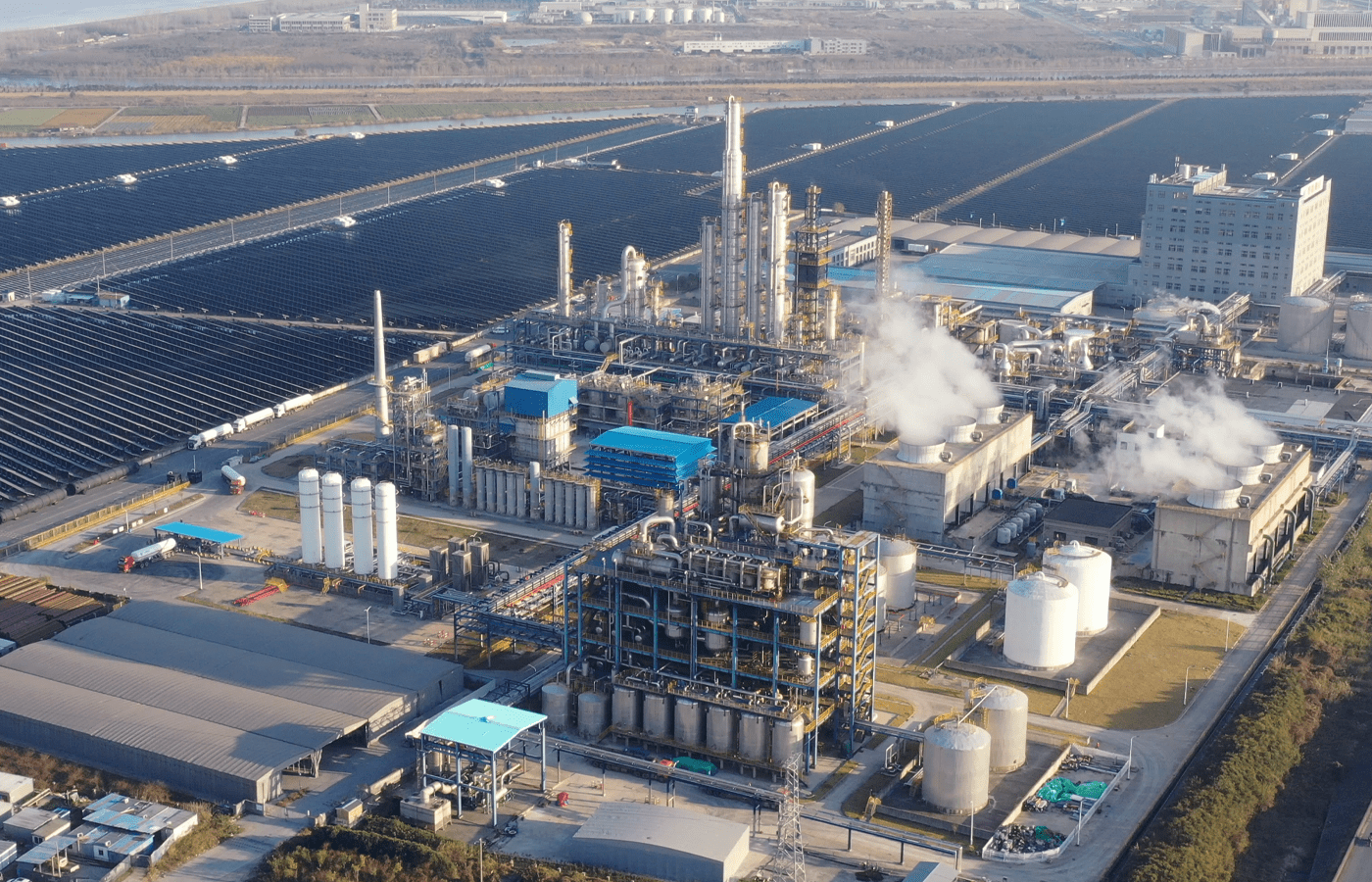
Boston’s industrial environment is shaped by life sciences, advanced manufacturing, institutional infrastructure and clean-energy development. We provide plant design services for capital projects and facility modifications where dependable utilities, coordinated equipment interfaces and accurate engineering records are essential to execution.
Oil and Gas/ LNG
We support terminal, storage, distribution and gas-handling projects serving New England’s energy infrastructure. Our work can cover piping layouts, transfer systems, equipment interfaces and utility coordination. For modifications within operating facilities, we assess tie-in locations, access requirements and the interaction between new installations and existing systems.

Chemicals / Petrochemicals
For specialty chemical, materials and process-development facilities, we coordinate process equipment with piping, ventilation, electrical systems, instrumentation and supporting utilities. Our teams help translate process requirements into an integrated plant design, with particular attention to containment, equipment access and interfaces within existing buildings.

Discrete Manufacturing
Greater Boston’s manufacturing ecosystem includes medical devices, robotics, electronics, instrumentation and other technology-led products. We support new equipment installations, pilot lines and production expansions with layout development, utility routing and structural coordination. Designs account for workflow, maintenance needs and the movement of equipment through constrained facilities.

Power and Utilities
Hospitals, universities, laboratories and industrial campuses depend on reliable central utility infrastructure. We support upgrades involving steam, chilled water, heating, compressed air, electrical distribution and backup systems. Capacity assessments and interface reviews help determine how new loads can be introduced without overlooking the wider utility network.

Mining and Minerals
We work with Boston-based EPCs, technology providers and project organizations delivering mining and mineral-processing facilities across North America. Our scope includes equipment layouts, material-handling interfaces, structural engineering and utility coordination, connecting specialist vendor packages with the balance of the plant.

F&B
Food and beverage manufacturers require layouts and utility systems that accommodate sanitation, temperature control and efficient production movement. We support line additions and equipment upgrades through coordinated HVAC, piping, drainage, electrical and structural engineering, with installation planning shaped around ongoing facility operations.

Renewable Energy
Massachusetts continues to develop offshore wind, energy-storage and other clean-energy capabilities. We provide balance-of-plant engineering for renewable and low-carbon projects, coordinating equipment packages with electrical systems, structures, piping, auxiliary utilities and controls. We also assist existing facilities evaluating electrification and energy-efficiency upgrades.

Pharma (API)
Boston’s life sciences ecosystem creates complex requirements for pharmaceutical, biotechnology and biomanufacturing facilities. We support process-equipment integration, clean and plant utilities, HVAC coordination and controlled documentation. For brownfield modifications, we help align new systems with existing layouts, capacity limitations and established change-control procedures.

Service Offerings in Boston
Our engineering services cover project definition, detailed design, procurement coordination, construction assistance and continuing facility modifications. Clients can assign us an individual package or establish a multidisciplinary team that scales as engineering demand changes across the project lifecycle.
FEED Support
We develop early layouts, design criteria, utility requirements, package interfaces and scope boundaries during FEED. In space-constrained Boston facilities, this stage is used to test whether the proposed equipment, access zones and utility connections can be accommodated before the project proceeds into detailed design.

Detailed Engineering
Our detailed engineering services convert approved concepts into coordinated calculations, models, specifications, datasheets, drawings and material takeoffs. As supplier information develops, we assess its impact across connected systems and update the relevant deliverables to maintain a consistent design basis.

Discipline Engineering
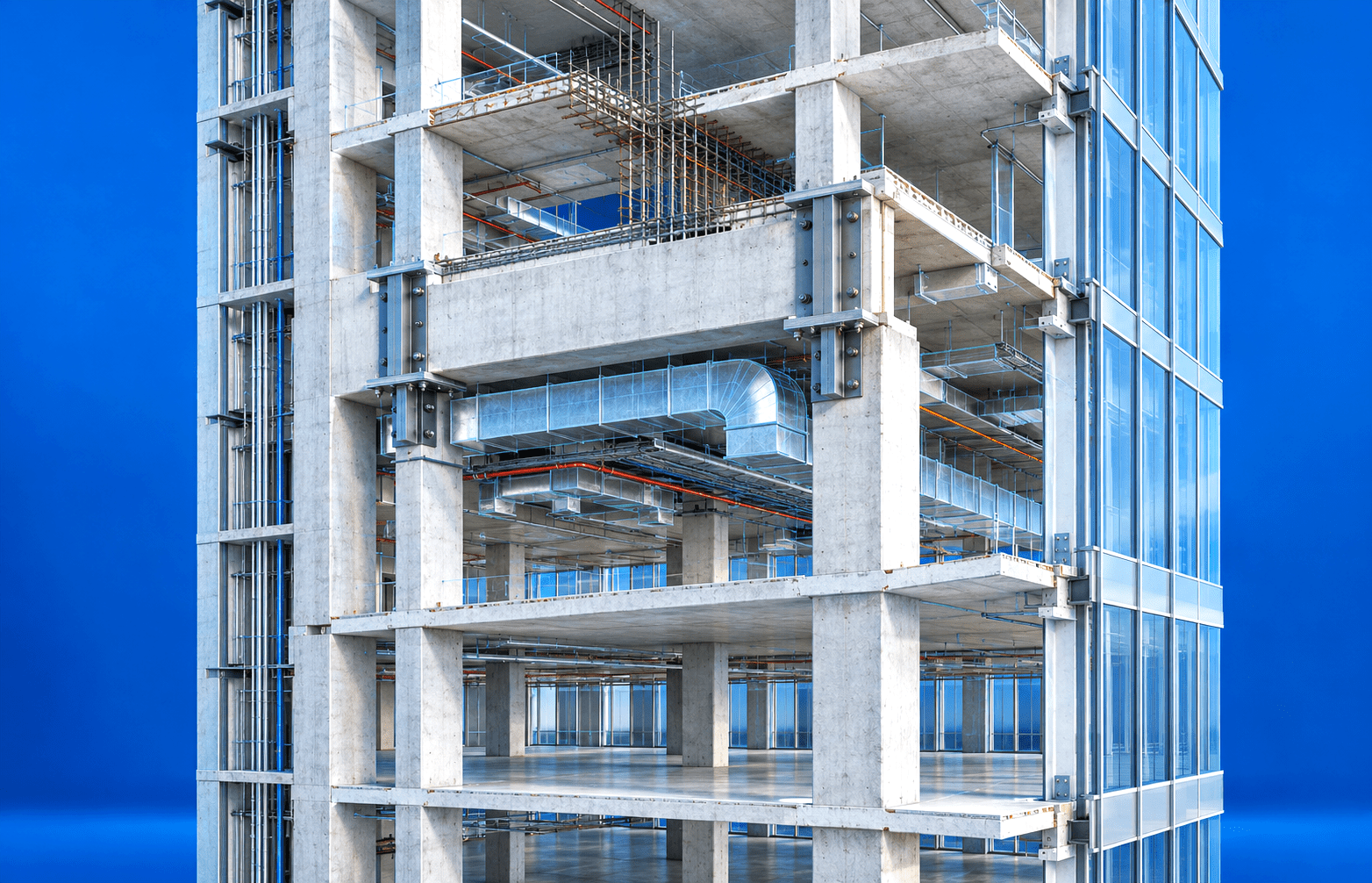
We deliver mechanical, piping, HVAC, civil, structural, electrical, instrumentation and fire-protection engineering. Piping design services are coordinated with ventilation systems, equipment clearances, cable routes and structural framing. This helps project teams resolve competing spatial requirements within laboratories, production areas and utility spaces.

Procurement Assistance
Our teams prepare technical requisitions, compare bids, review supplier submissions and respond to technical queries. Equipment-package reviews examine physical dimensions, service connections, foundations, power demand and control interfaces, enabling procurement teams to identify technical gaps before orders are finalized.

Asset Management
We assist facility owners with management of change, engineering assessments, tag updates, as-built drawings and controlled asset information. Updated records provide operations and maintenance teams with a traceable view of completed modifications and a stronger information base for subsequent facility work.

Digital Engineering
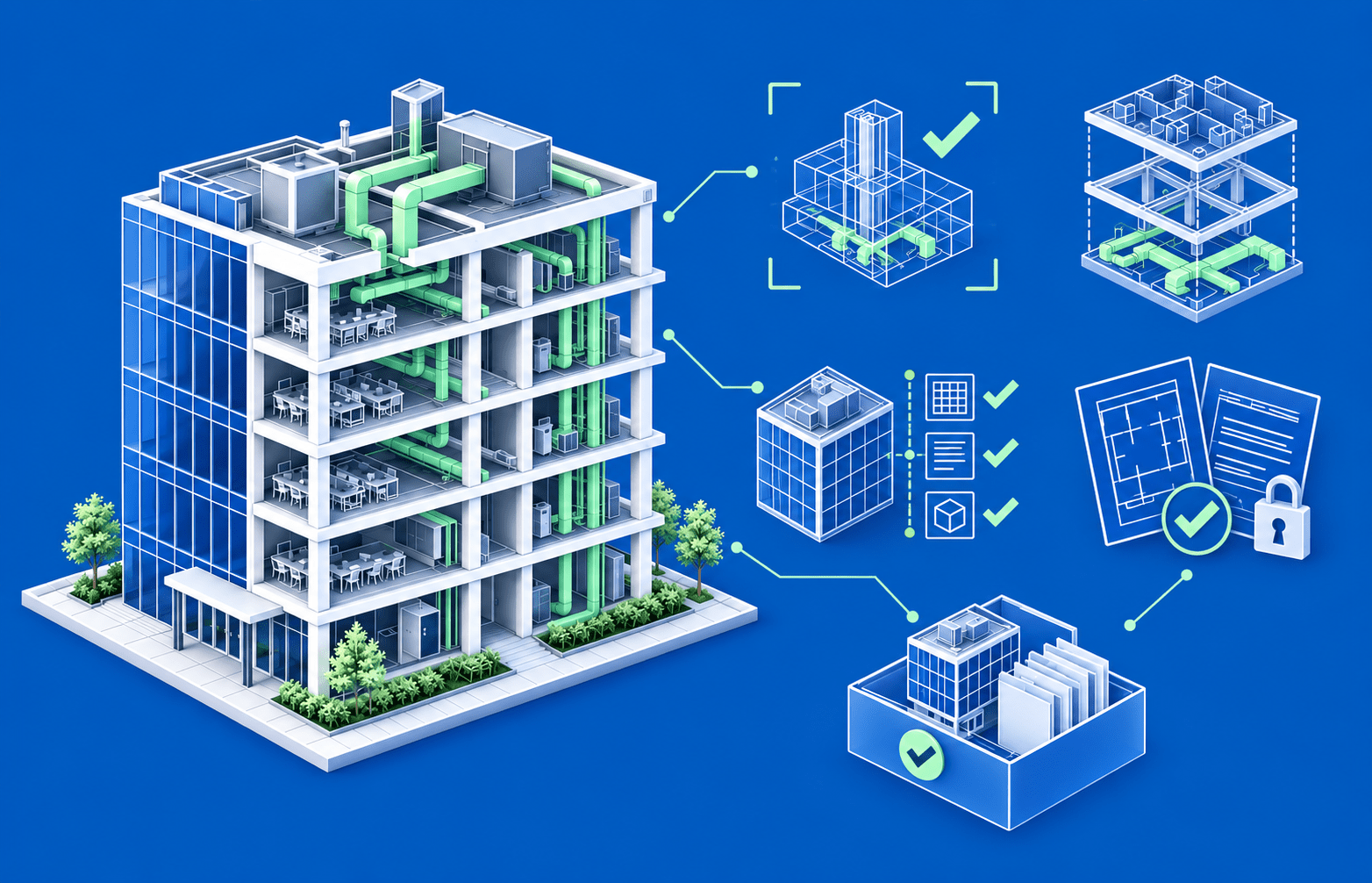
We combine discipline models, existing-facility data and supplier information within coordinated review workflows. Clash detection and interface tracking help identify congested routes, access conflicts and missing connections. Resolved comments are incorporated into the design information issued to downstream teams.

Sustenance Engineering
Our brownfield engineering services help operating facilities deliver equipment replacements, utility modifications, compliance-driven changes and recurring capital improvements. Each package is developed around the affected systems, available site information and restrictions on access or shutdown time.

Special Studies
We undertake feasibility, option and constructability studies before owners commit to a design direction. Studies can compare equipment locations, utility strategies, routing alternatives and installation approaches. This helps reveal when a proposed facility change carries wider structural, mechanical or operational implications.

Plant 3D Modeling
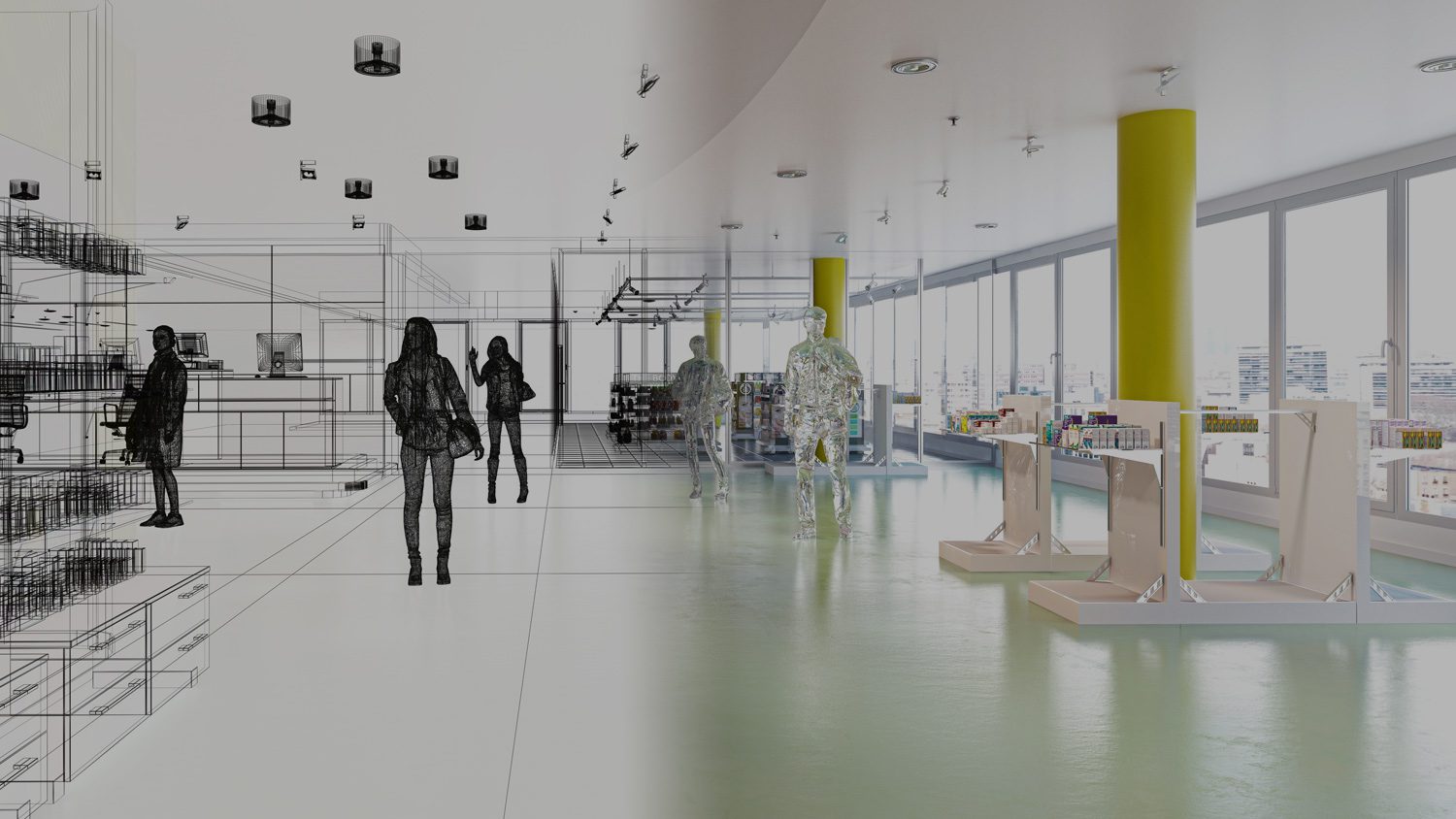
Our plant 3D modeling services create a coordinated view of equipment, piping, structures and utilities. Available scan data and verified site information can be incorporated to examine routing, maintenance clearances and installation access within existing facilities. The model also provides a controlled basis for interdisciplinary reviews and drawing production.

Talk to Our Experts Today



Explore Our Resources
We nurture knowledge sharing and vouch for the power of continuous learning. Stay updated with our latest industry insights, case studies and events.