
11
March, 2026
Construction-Driven Engineering for Operability, Maintainability, and Constructability
Most projects do not slip because teams stop working. They slip because work gets interrupted, reworked, or resequenced after construction begins: constructability gaps show up at install, interfaces clash in the field, vendor data lands late, deviations pile up, and uncontrolled changes break traceability.
The cost of that churn is not theoretical. The Construction Industry Institute (CII) notes that on a typical project, rework can cost 2% to 20% of the contract amount. In parallel, RFIs (Requests for Information) are a leading indicator of design and coordination gaps. A Navigant Construction Forum perspective using Aconex data cites 1,362 projects and 1,083,807 RFIs, averaging 796 RFIs per project. And when project information quality breaks down, rework follows: an Autodesk and FMI study estimates “bad data” contributed to $88.69B in rework in 2020, accounting for 14% of all rework performed that year.
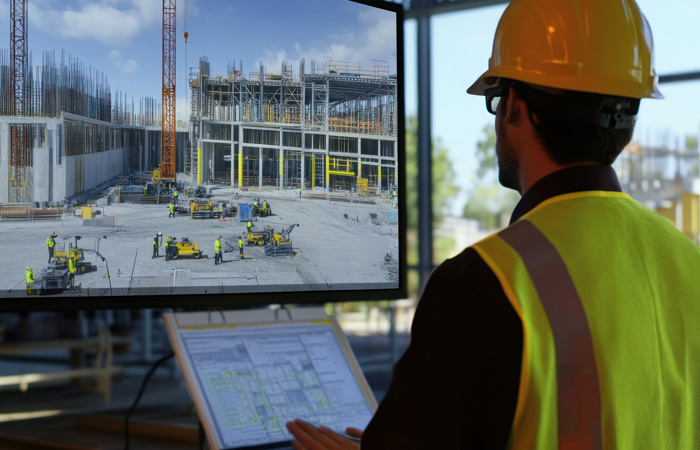
Construction-driven engineering is the practical response to these realities. It ensures the right sequencing of work packages, Issue for Construction (IFC) issuance, and verified MTO/take-offs to align with site construction activities, taking care of constructability, operability, and maintainability as a standard practice.
What Construction-Driven Engineering Actually Means
Construction-driven engineering is not “more detail.” It is engineering that is shaped by erection, installation, and turnover logic:
- Design outputs are issued as installable, sequenced work packages, not as drawings that still need interpretation.
- MTO and take-offs are verified and packaged to match site readiness, preventing “design complete, site waiting.”
- Operability and maintainability are validated before install, so the field is not forced into late access fixes.
- Field changes are controlled through RFIs, redlines, and as-builts without losing revision traceability.
CII defines constructability as the optimal use of construction knowledge in planning, design, procurement, and field operations, and notes benefits such as average 4.3% cost reduction and 7.5% schedule reduction from effective constructability programs. Construction-driven engineering is how those benefits get built into day-to-day deliverables.
Why Projects Slip During Construction
Construction schedules usually get damaged by a predictable set of triggers:
- Constructability gaps: Drawings look complete, but the work is not installable: supports missing, access not buildable, embed/penetration conflicts.
- Interface clashes: Civil, structural, piping, and electrical and instrumentation packages land with misaligned assumptions and tolerances.
- Late vendor data: Nozzle orientations, maintenance envelopes, cable entry points, and equipment footprints shift after IFC, forcing rework.
- Field deviations: Real-world routing constraints, unexpected obstructions, and fit-up issues create cascading resequencing.
- Uncontrolled changes: Redlines, RFIs, and minor field adjustments happen, but the “single source of truth” fractures, creating bad data and repeat rework loops.
Where TAAL Tech adds value: TAAL Tech’s construction engineering support focuses on converting these failure modes into controlled workflows: interface control, verified take-offs, and installable packages tied to sequence and turnover.
Construction-Driven Detailing and Work Packages
The highest-leverage deliverables are the ones that remove ambiguity from the field.
Installable isometrics and spool packages
- Isometrics that reflect actual erection constraints and planned sequence
- Spool splits aligned to lifting, access, weld strategy, and tie-in windows
- Hold points and test boundaries defined so the field does not “discover” them late
Pipe supports and secondary steel
- Support steel designed for installability, access, and survey control
- Clash-free support locations validated against surrounding trades
- Secondary steel coordinated early to prevent “supports after piping” rework
Access clearances and constructability checks
- Tool access, welding access, pull space, and future maintenance space validated before IFC
- Workface congestion reduced by pre-coordinating crowded zones
Embed and penetration coordination
- Penetrations aligned across civil, structural, piping, and electrical and instrumentation
- Embed plates, sleeves, and blockouts released early so concrete does not become a rework trap
Method-of-construction logic
- Packages built around the planned sequence: what installs first, what must wait, what needs temporary access
- Constraints logged explicitly so resequencing is a controlled decision, not a field scramble
Where TAAL Tech adds value: TAAL Tech supports multi-discipline coordination to generate sequenced, installable work packages that match how construction will actually execute, not how drawings look in isolation.
MTO and Take-Offs That Match Site Reality
“Material ready” is not the same as “design complete.” Construction-driven engineering makes MTO and take-offs execution-grade.
Verified Material Take-Off (MTO) and erection quantities
- Quantity logic aligned to the latest approved model and drawings
- Spool counts and erection quantities matched to work packages and installation fronts
Bill of Materials (BOM) alignment and procurement readiness
- BOM aligned to package boundaries so material can be staged by system and area
- Critical long-lead components flagged as schedule constraints, not procurement surprises
Package-wise material readiness
- Materials released in the same structure as installation: system → area → package
- Prevents “everything is ordered” while the field waits on one missing subset
Where TAAL Tech adds value: TAAL Tech helps execution teams avoid “design complete, site waiting” scenarios by producing verified MTO and take-offs tied directly to package sequencing and site readiness.
Design for Operability and Maintainability (DFOM) Before Install
DFOM is not a late-stage checklist. It is part of construction-driven detailing because fixes in the field are slow, costly, and frequently permanent.
Construction-driven DFOM validation typically includes:
- Maintainable access and removal paths (filters, strainers, motors, pumps)
- Valve orientations and handwheel access, including safe reach zones
- Instrument reach, calibration access, and service clearances
- Equipment pull space and laydown assumptions validated against real constraints
- Drainage and venting logic that avoids trapped volumes and unsafe releases
- Safe isolation points verified for planned shutdown and commissioning operations
Where TAAL Tech adds value: TAAL Tech supports DFOM reviews that connect design choices to install sequence and long-term maintenance reality, reducing late access rework and improving turnover quality.
Field Engineering Workflows That Control Change Without Losing Traceability
Field engineering is where projects either protect schedule or hemorrhage it.
A disciplined workflow includes:
- RFI triage and turnaround control (what blocks work, what can be deferred)
- Redlines with structured capture (who changed what, why, and what it impacts)
- As-built capture aligned to packages and system boundaries
- Revision control and interface coordination across civil, structural, piping, and electrical and instrumentation
Given the documented cost of bad data and its role in rework, controlling field information is not administrative overhead, it is a productivity lever. RFIs also scale quickly, and high volumes are associated with delay and claims risk, which is why the process needs strong governance.
Where TAAL Tech adds value: TAAL Tech supports teams with structured RFI, redline, and as-built workflows that keep the “single source of truth” intact while construction moves.
Temporary Works and Sequencing Inputs That Protect the Plan
Temporary works and sequence planning are often treated as site-only topics, but the best outcomes happen when engineering supports them early:
- Lifting studies and rigging access checks
- Scaffold strategy and safe work access planning
- Tie-in planning aligned to permits, isolations, and outage windows
- Hot-work and cold-work separation for safe parallel execution
- Shutdown-window execution planning built into package scope and readiness criteria
Where TAAL Tech adds value: TAAL Tech provides engineering inputs that help execution teams remove “install surprises” by validating access, liftability, and tie-in sequencing before work starts.
Commissioning Readiness Built Into Construction Outputs
Commissioning readiness is the end goal of construction-driven engineering, not a final-phase scramble.
Key components:
- Walkdowns aligned to systemization boundaries
- Punch categorization (must-fix for energization vs startup vs closeout) and closure workflows
- Test packs designed around system turnover logic
- Turnover dossiers and tag completion tracking tied to startup plans
Where TAAL Tech adds value: TAAL Tech structures turnover documentation and completion logic around system boundaries so commissioning is accelerated, not delayed by missing evidence.
How TAAL Tech Supports Construction-Driven Engineering Support
TAAL Tech provides construction-driven engineering support that aligns design outputs to the realities of erection, installation, and turnover. We convert design intent into installable, sequenced work packages backed by verified MTO/take-offs, interface control, and DFOM reviews.
Through disciplined field-engineering workflows (RFIs, redlines, as-builts, revision control) and temporary-works and sequence inputs, TAAL Tech helps execution teams reduce rework, protect schedule, and accelerate commissioning readiness.
Conclusion
Construction-driven engineering is how projects turn design maturity into construction reality. When work packages are sequenced, interfaces are controlled, MTO is verified for site readiness, and DFOM is validated before install, execution teams spend less time reworking and more time progressing.
Given the documented scale of rework costs in construction, improving installability and change control is one of the most direct ways to protect schedule and cost performance.
Frequently Asked Questions
-
- What is construction-driven engineering?
Construction-driven engineering is an execution-focused approach that shapes IFC deliverables, work packages, and take-offs around actual erection, installation, and turnover needs, with constructability and DFOM validated early.
-
- What deliverables are most important for construction engineering support?
Installable isometrics and spool packages, pipe supports and secondary steel, embed and penetration coordination, sequenced work packages, verified MTO/take-offs, and commissioning-ready turnover packs.
-
- How does verified MTO help prevent delays?
Verified Material Take-Off aligns quantities and material readiness to package sequencing and work fronts, preventing cases where drawings are complete but site work is blocked by missing, un-staged, or mis-packaged materials.
-
- What is DFOM and why does it belong in construction-driven engineering?
Design for Operability and Maintainability (DFOM) ensures access, removal paths, safe isolation points, and service clearances are validated before installation, reducing late field rework and improving turnover quality.
-
- How do RFIs and bad project data impact schedule?
High RFI volumes are a known indicator of coordination and design gaps, and poor information quality can drive rework. One Autodesk and FMI study estimated bad data accounted for 14% of rework in 2020.