
8
July, 2026
Plant Engineering Services for Safer, Smarter Industrial Facilities
A facility does not become safer or smarter because the drawings are complete.
It becomes safer when a maintenance team can reach the valve without a workaround. It becomes smarter when instrumentation, controls and equipment placement are planned together. It becomes easier to operate when piping, structures, platforms, utilities and access routes are not fighting for the same space.
This is where plant engineering services make a visible difference.
For industrial facilities, engineering quality is tested long after design review. It shows up during installation, commissioning, maintenance, shutdowns, expansions and daily operations. A poor layout, an awkward pipe route or a missing access clearance may look minor at the design stage, but it can become a recurring operational problem once the plant is live.
The timing matters. Global construction activity is expected to grow from USD 11.39 trillion in 2024 to USD 16.11 trillion by 2030, while smart construction is moving from experimental to essential across project execution, operations and maintenance. For industrial owners, EPCs and operators, the pressure is clear: build faster, coordinate better and design facilities that are ready for long-term performance.
What Plant Engineering Services Need to Solve
Plant engineering services are not just a set of technical deliverables. They are the discipline that connects design decisions with site reality.
In an industrial plant, every decision has a downstream effect. Equipment location influences piping. Piping affects supports. Supports affect steel. Steel affects access. Access affects safety and maintenance. Controls and instrumentation affect how operators understand the plant in real time.
That is why plant design engineering must look beyond individual systems. It needs to consider how the facility will be built, operated, inspected, upgraded and maintained.
Strong industrial plant engineering helps teams address:
- Equipment layout and maintenance access
- Pipe routing and support coordination
- Structural loads, platforms and walkways
- Electrical and instrumentation routing
- Control system and automation readiness
- Clash-free multidisciplinary coordination
- Brownfield modification constraints
- Construction and installation documentation
- As-built updates and lifecycle engineering
The real value is not in creating more drawings. It is in reducing the number of problems that reach the site.
Better Layouts Reduce Operational Friction
Plant layout is one of the earliest decisions in a project, and often one of the most expensive to correct later.
A good layout does more than place equipment in available space. It considers movement, access, safety, maintenance, lifting, inspection, emergency routes and future expansion. These details may not always be visible in a basic layout review, but they shape how the plant functions every day.
Poor equipment layout design can create issues such as:
- Congested maintenance zones
- Unsafe access to valves or instruments
- Difficult equipment removal paths
- Poor operator visibility
- Clash-prone pipe and cable routing
- Limited space for future expansion
- Unplanned site modifications during installation
For greenfield projects, layout engineering helps avoid these issues early. For existing facilities, it helps teams understand what can realistically be added, moved or modified without creating new operational risks.
This is why layout should not be treated as a space-planning exercise. It is one of the first engineering decisions that determines how safe, maintainable and future-ready the facility will be.
Piping, Structures and Utilities Cannot Work in Isolation
Many site issues begin when disciplines move too far in parallel without enough coordination.
Piping may be routed efficiently, but still block access. A structure may be strong enough, but difficult to fabricate or install. Cable trays may fit the model, but create conflicts with platforms or pipe supports. Equipment may be positioned correctly, but with limited clearance for inspection or replacement.
This is where coordinated plant engineering services become essential.
Piping design services, structural engineering, electrical support, instrumentation and 3D plant design must work together from the start. The goal is not only to make each system technically correct. The goal is to make the facility practical as a whole.
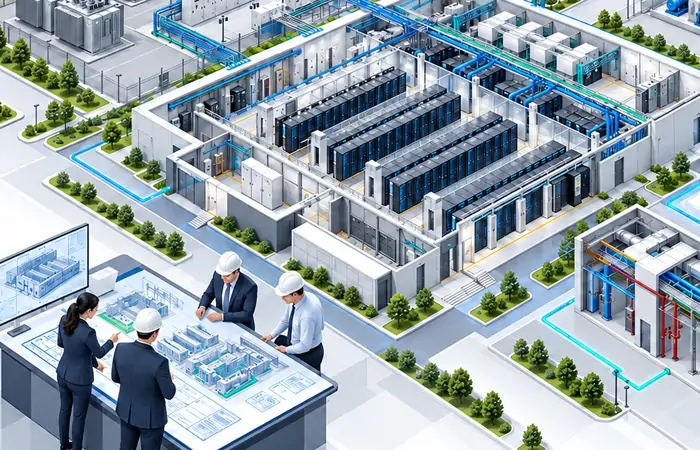
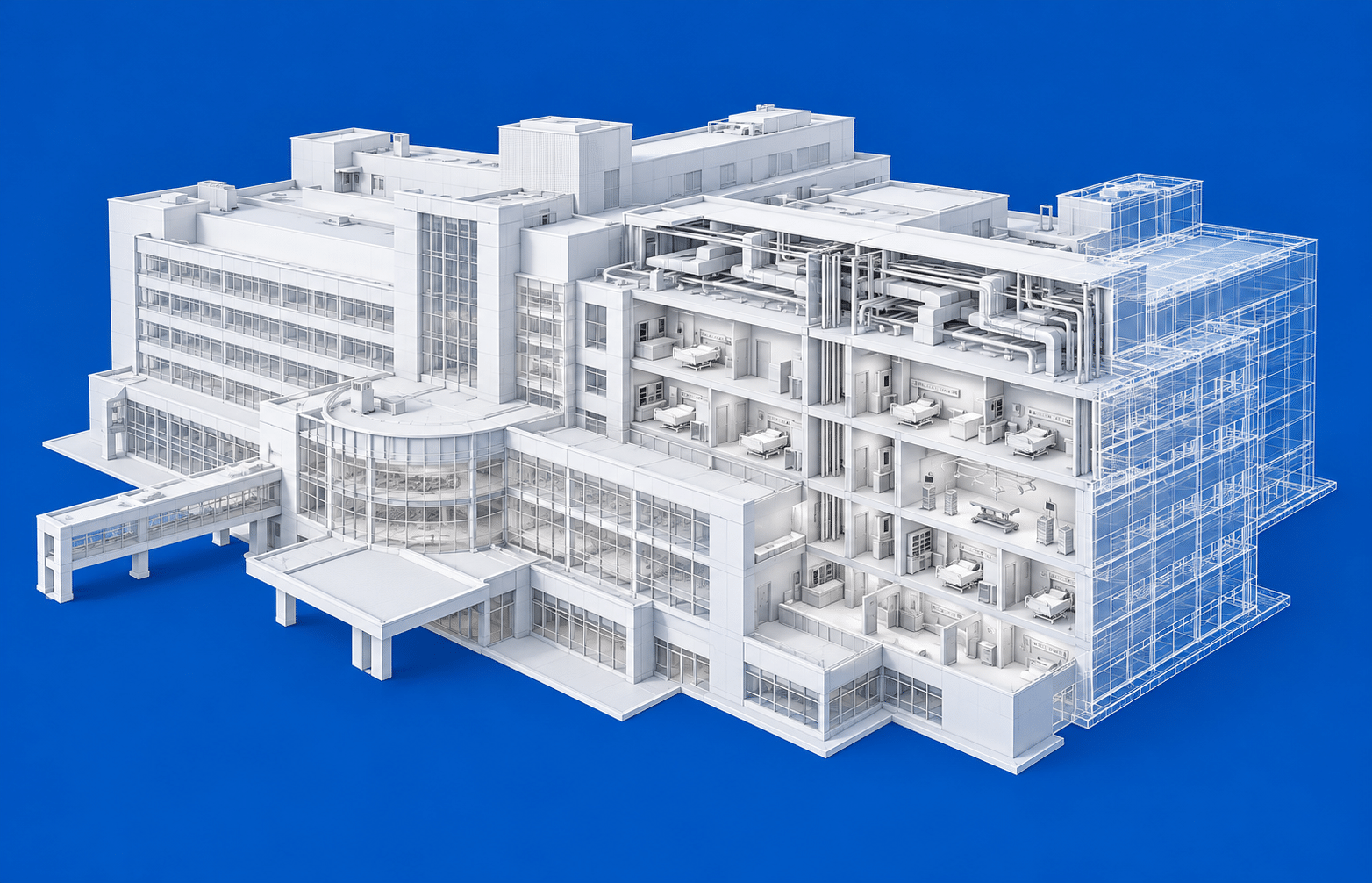
A coordinated 3D plant design environment helps teams identify clashes, access gaps and constructability issues before they turn into site delays. It also gives project stakeholders a clearer view of how equipment, piping, supports, platforms and utilities interact.
For process plant engineering, this level of coordination is especially important. Process requirements, safety constraints, utility networks and maintenance needs are tightly connected. A late change in one area can quickly affect multiple disciplines.
Brownfield Projects Need Engineering That Respects the Site
Industrial upgrades rarely happen in perfect conditions.
Many brownfield facilities operate with old drawings, space constraints, undocumented modifications, live systems and short shutdown windows. In such environments, assumptions can be expensive.
Brownfield engineering services need a more practical approach. Before designing the modification, teams must understand what already exists, what can be changed and what cannot be disturbed.
This often involves:
- Site verification
- As-built documentation
- Point cloud or scan-based modelling
- Tie-in planning
- Utility rerouting
- Clash detection
- Structural checks
- Phased execution support
- Shutdown-sensitive documentation
The challenge is not only to design the upgrade. It is to design it in a way that can be installed safely, with limited disruption to ongoing operations.
This is where experienced industrial plant engineering support can reduce risk. Accurate inputs, disciplined coordination and clear documentation help teams avoid discovering critical constraints after work has already begun.
Smarter Facilities Need More Than Digital Tools
Smart plants are often discussed through automation, dashboards, sensors and connected systems. These are important, but they are only effective when the underlying engineering supports them.
The industrial automation and control systems market was valued at USD 226.8 billion in 2025 and is projected to reach USD 504.4 billion by 2033, showing how strongly connected operations are shaping industrial investment.
But automation cannot be treated as an afterthought.
Field device placement, cable routing, control panel locations, access to instruments, PLC and SCADA integration, HMI usability and commissioning requirements all depend on plant-level engineering decisions. If these are considered too late, the facility may become digitally connected but operationally inconvenient.
Smarter facilities need engineering that brings physical systems and digital systems together. That means planning automation readiness along with layout, piping, electrical, instrumentation and operational access.
Why This Matters for Project Delivery
Industrial projects lose time and money when design intent does not match site conditions.
The global engineering services market was valued at USD 3,578.2 billion in 2025 and is projected to reach USD 5,778.0 billion by 2033, reflecting the growing need for specialised engineering support across industries. For plant owners and industrial companies, this demand is not just about capacity. It is about reducing execution risk.
Well-executed plant engineering services help teams:
- Improve safety and maintainability
- Reduce rework during installation
- Improve multidisciplinary coordination
- Make brownfield upgrades more predictable
- Strengthen construction readiness
- Improve documentation quality
- Support automation and digital visibility
- Plan for future expansion
- Reduce lifecycle operating friction
In short, better engineering helps facilities perform better after the project team leaves.
How TAAL Tech Supports Plant Engineering
TAAL Tech supports plant engineering programs across greenfield and brownfield industrial facilities. Our teams work across mechanical, piping, civil, structural, electrical, instrumentation, automation, 3D modelling, documentation and lifecycle engineering.
We support plant owners, EPCs, OEMs and industrial operators with engineering that is designed for real project conditions, not just drawing completion.
Our plant engineering support includes:
- Plant layout and equipment arrangement
- 3D plant modelling
- Piping design and isometrics
- Civil and structural engineering
- Electrical and instrumentation support
- Automation and control engineering support
- Brownfield modification engineering
- As-built updates and engineering change support
- Construction and installation documentation
- Multidisciplinary design coordination
The focus is to help industrial facilities become safer to operate, easier to maintain, better coordinated and more prepared for future change.
FAQs
- Why are plant engineering services important for industrial facilities?
They help improve safety, reduce rework, coordinate engineering disciplines, improve maintainability and make facilities easier to build, operate and upgrade.
- What is included in plant design engineering?
Plant design engineering may include equipment layout, piping routes, utility planning, structural support, access planning, 3D plant design, safety considerations and construction documentation.
- How does 3D plant design support plant engineering?
3D plant design helps teams visualise equipment, piping, structures, platforms, cable trays and utilities in one coordinated environment. It supports clash detection, access reviews, constructability planning and better project coordination.
- What are brownfield engineering services?
Brownfield engineering services support upgrades, retrofits, expansions or modifications in existing industrial facilities. They often involve site verification, as-built updates, tie-in planning, clash detection and phased execution support.