6
July, 2026
SCADA System Integration: How Real-Time Visibility Improves Plant Operations
A plant does not always fail with a major breakdown.
Sometimes, the warning appears as a pump running longer than usual, a motor drawing excess current, a valve responding slowly, a pressure reading drifting, or a line producing below its expected rate. When these signals sit across disconnected panels, spreadsheets, operator notes, and legacy systems, teams lose time before they even begin solving the issue.
That is where SCADA system integration becomes important.
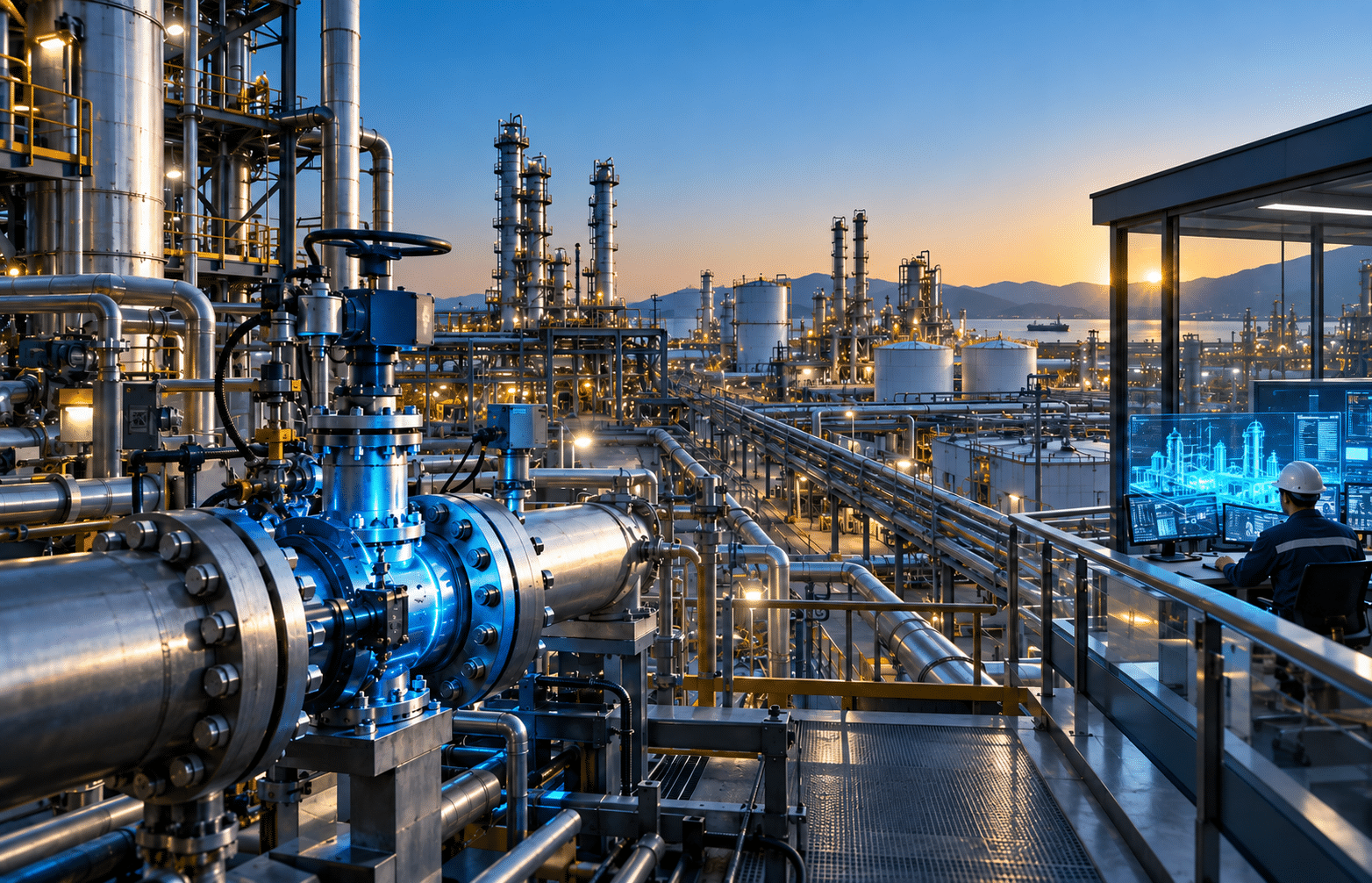
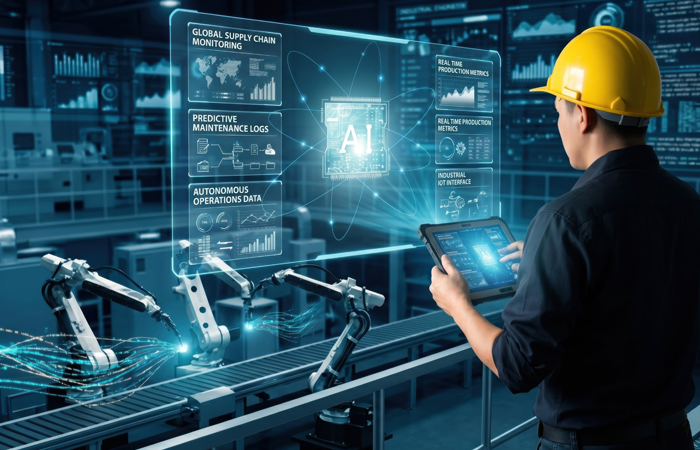
SCADA, or Supervisory Control and Data Acquisition, uses software and hardware elements to help industrial teams monitor, control, and analyse plant-floor processes in real time. It connects with machinery, sensors, PLCs, HMIs, meters, drives, and control systems so operators can view process conditions and act on reliable data.
The demand is also rising. The global SCADA market is projected to grow from USD 12.89 billion in 2025 to USD 20.05 billion by 2030, supported by automation, digitalisation, remote monitoring, and smarter control systems.
What Is SCADA System Integration?
SCADA system integration is the process of connecting plant equipment, control systems, software platforms, industrial networks, and data layers into one coordinated monitoring and control environment.
A SCADA integration project may include:
- PLC SCADA integration
- HMI SCADA development
- Sensor and instrument data acquisition
- Alarm and event configuration
- Historian integration
- Remote monitoring system setup
- Dashboard and report development
- SCADA software configuration
- Industrial network communication
- SCADA upgrade or migration
- OT IT integration
The purpose is simple: give plant teams real-time visibility into equipment, processes, utilities, alarms, and performance.
Without proper integration, industrial automation systems can remain fragmented. Operators may check one system, maintenance teams may depend on another, and management may receive delayed reports. SCADA integration brings these views together.
Why Real-Time Plant Monitoring Matters
In plant operations, a delayed response can affect uptime, quality, safety, energy use, and maintenance cost.
Real-time plant monitoring helps teams detect abnormal behaviour early. Operators can see process deviations as they happen. Maintenance teams can review fault patterns. Production teams can track line status, throughput, cycle time, and bottlenecks. Utility teams can monitor power, compressed air, steam, water, HVAC, pumps, and other critical systems.
This is where SCADA software becomes more than a control-room display. When configured well, it becomes a live operational layer for the plant.
How SCADA Improves Plant Operations
1. Faster Fault Detection
SCADA integration allows operators to monitor critical parameters such as pressure, temperature, flow, vibration, current, speed, level, and machine status.
When values move outside defined limits, the system can trigger alarms and events. This helps teams respond before a minor issue turns into downtime or quality loss.
A good alarm strategy is important here. The objective is not to create more alerts. It is to create clear, prioritised, actionable alerts that help operators make the right decision quickly.
2. Better Process Control
SCADA supports stronger control over industrial processes by connecting field devices, PLCs, control panels, and operator interfaces.
In process plants, this can include tank levels, pumps, valves, dosing systems, pressure control, flow control, and batch operations. In manufacturing plants, it can include machine status, conveyors, line speed, cycle time, robotics interface, and production sequencing.
With proper PLC SCADA integration, operators can supervise plant activity from a central interface while maintaining control discipline and process visibility.
3. Reduced Downtime
Downtime affects production output, delivery schedules, labour use, maintenance planning, and energy efficiency.
SCADA integration helps reduce downtime by making equipment behaviour easier to understand. Alarm history, trend data, runtime information, and fault logs can show what happened, when it happened, and whether it is recurring.
This helps teams move beyond temporary fixes. They can identify repeated trips, overloads, start-stop patterns, abnormal consumption, and equipment-level issues before they become larger failures.
4. Stronger Reporting and Data Acquisition
A plant can only improve what it measures reliably.
A SCADA-enabled data acquisition system collects real-time and historical information from machines, instruments, utilities, and control systems. This data can support shift reports, production summaries, energy reports, maintenance analysis, quality records, and compliance documentation.
It also reduces dependence on manual logs and disconnected spreadsheets. Teams get a more reliable view of plant performance.
5. Improved Remote Monitoring
Remote monitoring is useful for plants with multiple lines, distributed assets, utility areas, unmanned zones, or more than one facility.
A remote monitoring system allows authorised teams to view plant status, alarms, trends, and equipment performance without being physically present at every location. This can improve response time and support faster troubleshooting.
However, remote access must be designed with proper cybersecurity, access control, network segmentation, and governance. Visibility should improve without exposing the plant to unnecessary risk.
SCADA Upgrade and Modernisation
Many plants still run on older SCADA platforms, legacy PLCs, outdated HMI screens, unsupported software versions, and isolated control systems.
A SCADA upgrade can improve reliability, usability, reporting, cybersecurity, and scalability. But modernisation is not just a software replacement. It usually requires:
- Existing system assessment
- Tag database review
- PLC and SCADA interface checks
- HMI screen redevelopment
- Alarm rationalisation
- Historian and reporting setup
- Communication protocol mapping
- Testing and validation
- Cutover planning
- Operator training and documentation
For brownfield plants, upgrade planning is especially important. Operations may not be able to stop for long periods, so migration must be phased, tested, and aligned with plant realities.
SCADA and OT IT Integration
Modern plants need operational data beyond the control room.
Production teams need dashboards. Maintenance teams need equipment trends. Quality teams need traceability. Management needs plant-level performance visibility. Enterprise systems may need production, downtime, energy, or batch data.
This is where OT IT integration becomes important.
Recent industrial automation trends show growing interest in software-defined automation, Industrial AI, edge AI, and unified data architectures. These shifts make clean, structured, real-time plant data even more important.
SCADA remains a critical layer in this journey because it connects real plant behaviour with usable operational intelligence.
How TAAL Tech Supports SCADA System Integration
At TAAL Tech, we support industrial teams with engineering-led automation and SCADA integration capabilities across plant, process, manufacturing, and utility environments.
Our support can cover:
- SCADA system design and configuration
- PLC SCADA integration
- HMI SCADA development
- Industrial automation system integration
- Alarm, trend, and historian configuration
- Real-time plant monitoring dashboards
- Remote monitoring system support
- SCADA upgrade and migration support
- Electrical, controls, mechanical, and documentation coordination
- Testing, validation, and engineering documentation
Because SCADA projects sit at the intersection of controls, operations, plant engineering, data, and maintenance, integration needs more than software execution. It needs engineering understanding.
A well-integrated SCADA system helps plant teams see clearly, respond faster, and run operations with greater confidence.
Final Thoughts
Plant performance improves when teams can see what is happening as it happens.
SCADA system integration brings equipment data, process control, alarms, trends, reports, and remote monitoring into one connected environment. For modern industrial operations, it is no longer just a control-room system. It is a practical foundation for safer, smarter, and more reliable plant performance.