2
July, 2026
Digital Twin Technology for Plant Asset Management
Most plants already have the data they need.
The problem is that the data is scattered.
Some of it sits in P&IDs. Some in 3D models. Some in equipment manuals, inspection reports, maintenance logs, control systems, spreadsheets, and old drawings. When teams need to make a decision, they often spend more time finding and validating information than using it.
Digital twin technology is changing that.
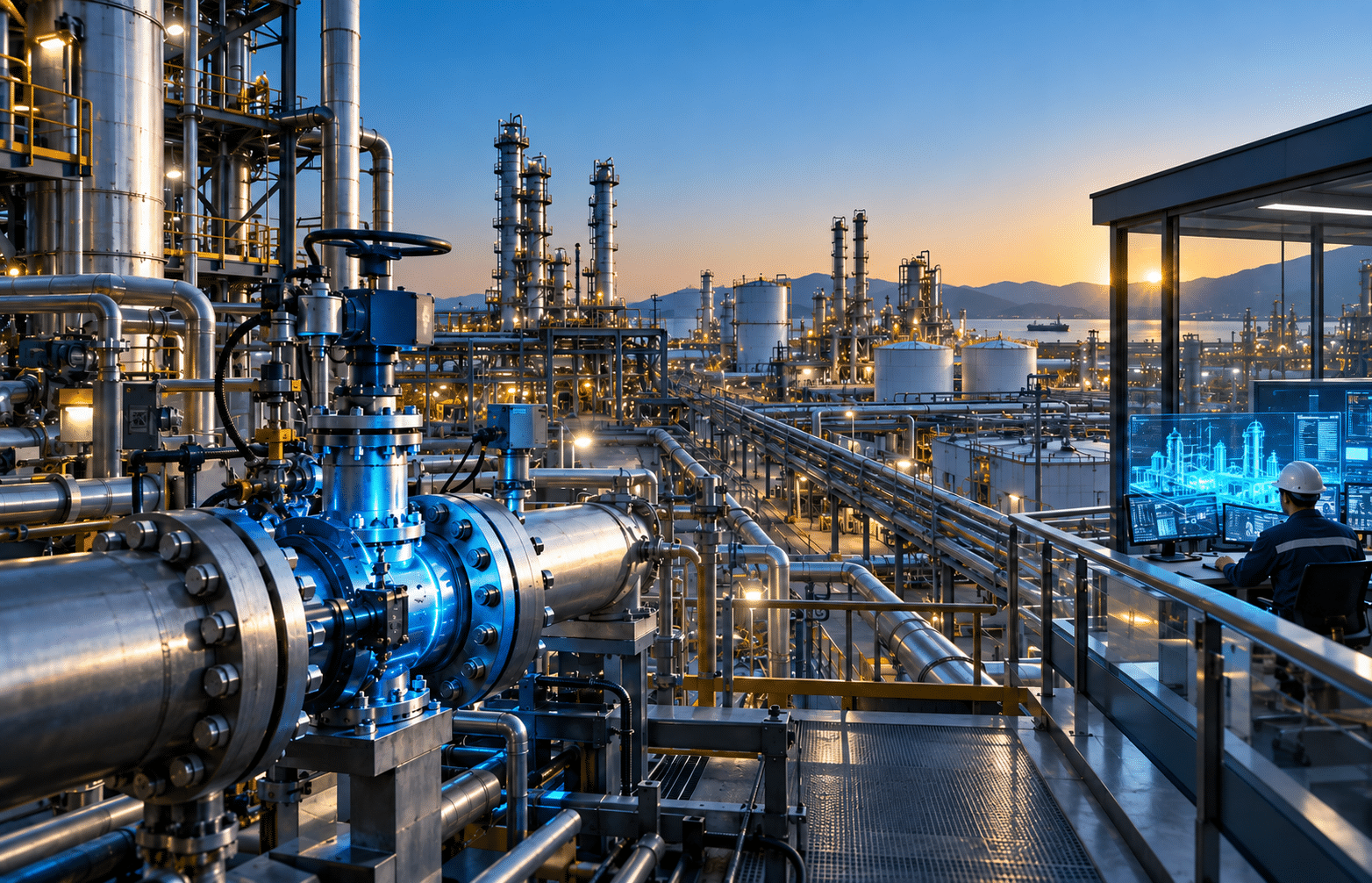
For plant owners and operators, a digital twin can turn engineering data into a live, connected view of the asset. It brings design information, operating data, maintenance records, and asset history into one environment so teams can understand what exists, what has changed, and what needs attention.
What Digital Twin Technology Really Means
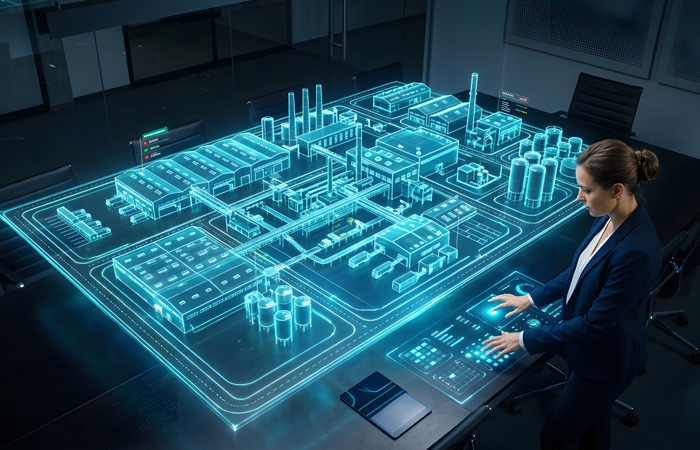
A digital twin is a digital representation of a physical asset, system, process, or facility.
In a plant environment, this could mean a pump, compressor, production line, utility system, process unit, or complete facility. In manufacturing, it could represent equipment performance, production behaviour, maintenance history, and operating conditions.
The important difference is data. A 3D model shows what an asset looks like. An industrial digital twin goes further. It connects geometry with asset tags, specifications, operating inputs, inspection records, maintenance history, and performance data.
That is why digital twin technology is useful for plant asset management. It helps teams move from static documents to connected asset intelligence.
Why Plant Data Is So Difficult to Manage
Plants are rarely static. Equipment gets replaced. Lines are modified. Utilities are rerouted. New skids are added. Old drawings are revised in some places and missed in others. Maintenance teams make site-level changes. Project teams hand over information in different formats.
Over time, the gap between documented information and actual site condition grows.
This creates problems such as:
- Time lost searching for reliable data
- Incomplete asset records
- Poor visibility into equipment condition
- Repeated surveys for the same information
- Higher risk during modifications
- Delayed maintenance decisions
- Weak handover from projects to operations
- Difficulty tracking change history
Digital twin solutions help reduce this gap by creating a structured digital layer for plant information.
How Digital Twin Solutions Improve Asset Management
Asset management depends on knowing what exists, where it is, how it performs, and how it changes over time.
Digital twin technology helps connect these details in one view.
For plant asset management teams, digital twin solutions can support:
- Asset location and configuration visibility
- Equipment tag mapping
- Document linking
- Maintenance history tracking
- Inspection planning
- Operating condition monitoring
- Change management
- Shutdown and turnaround planning
- Performance comparison
- Lifecycle data management
For example, if a pump shows repeated vibration issues, teams can use the digital twin to connect the issue with equipment data, operating conditions, maintenance records, piping layout, and nearby assets.
Instead of looking at the problem in isolation, teams can see the larger context.
That is where digital twin technology becomes useful. It helps teams move faster from observation to decision.
Digital Twin in Manufacturing
Digital twin in manufacturing is especially valuable because production environments depend on uptime, repeatability, and process visibility.
A digital twin can help manufacturing teams understand how machines, lines, utilities, and production systems behave under different operating conditions.
It can support:
- Production performance monitoring
- Bottleneck identification
- Equipment utilization review
- Energy usage analysis
- Quality issue investigation
- Maintenance planning
- Process improvement
- Layout and capacity planning
For manufacturing teams, the value is not only in seeing the asset digitally. The value is in connecting engineering, operations, and maintenance data so decisions become more informed.
From Reactive Maintenance to Predictive Maintenance
Traditional maintenance often works in two ways. Teams either respond after a failure or service equipment at fixed intervals.
Both approaches have limits. Reactive maintenance can create downtime. Fixed schedules can lead to unnecessary work or missed warning signs.
Digital twin technology can support predictive maintenance by connecting sensor data, inspection inputs, equipment records, and operating trends. This helps teams identify early signs of wear, stress, or performance drop before failure occurs.
Predictive maintenance does not need to begin with the whole plant.
Many companies start with:
- Critical rotating equipment
- High-pressure systems
- Utility networks
- Production bottlenecks
- Energy-intensive assets
- Hard-to-access equipment
- Brownfield plant sections
This phased approach helps teams prove value before expanding digital twin solutions across more assets.
Digital Twins and Asset Performance Management
Asset performance management depends on more than maintenance schedules.
Teams need to know how assets perform, how often they fail, how efficiently they operate, and how much risk they carry for production or safety.
Digital twin technology supports asset performance management by connecting different data points across the asset lifecycle.
This may include:
- Design specifications
- Operating parameters
- Inspection findings
- Maintenance interventions
- Failure history
- Energy consumption
- Production impact
- Replacement planning
When this information is connected, teams can make better decisions about repair, replacement, inspection frequency, shutdown planning, and asset life extension.
Why Engineering Data Management Matters
A digital twin is only as reliable as the data behind it.
For plants, engineering data management gives the twin its structure. Without accurate engineering information, the digital twin becomes a visual layer with limited decision value.
Important engineering data includes:
- P&IDs
- Equipment lists
- Line lists
- Datasheets
- Layouts
- 3D models
- Asset registers
- Electrical and instrumentation data
- Vendor documents
- Maintenance records
- Inspection reports
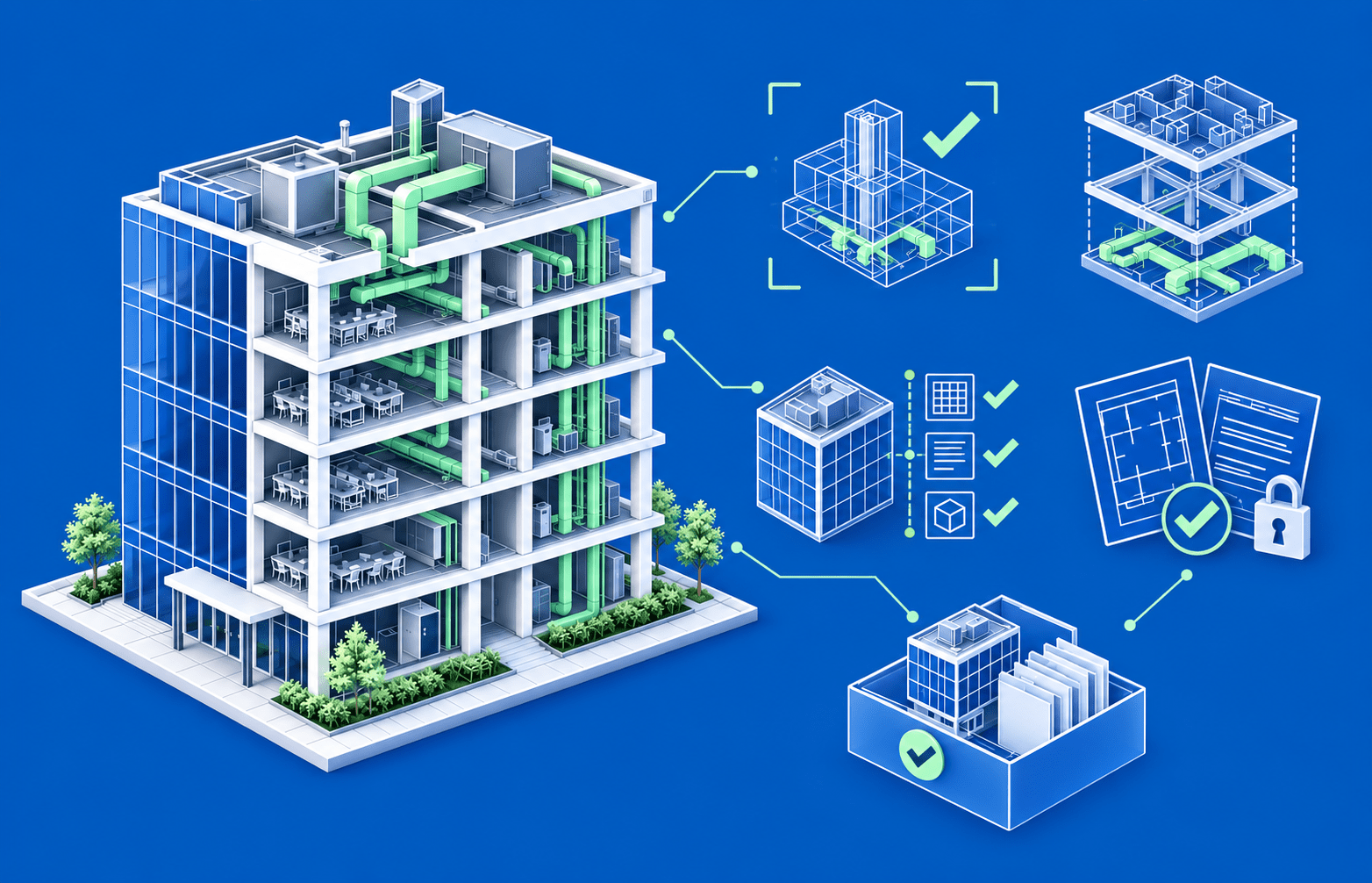
Before digital twin technology can deliver value, this information must be cleaned, tagged, structured, linked, and validated.
That is why engineering support is critical in digital twin projects. Software can visualize data, but engineering discipline makes the data trustworthy.
Digital Twin Technology and Plant Modifications
Plant modifications are one of the strongest use cases for digital twin technology.
Every modification depends on accurate existing information. If teams do not know the true as-built condition, they may face clashes, access issues, shutdown delays, safety risks, or cost overruns.
An industrial digital twin can support modification projects by helping teams:
- Review existing layouts
- Check asset interdependencies
- Plan tie-ins
- Understand access constraints
- Simulate installation sequences
- Capture change history
- Update as-built records after completion
This is especially valuable in brownfield plants, where space is limited and assumptions can be expensive.
How TAAL Tech Supports Digital Twin Technology
At TAAL Tech, we help clients build the engineering foundation needed for digital twin technology.
Our support can include engineering data management, asset data structuring, 3D modelling, scan-to-model workflows, plant engineering documentation, P&ID updates, as-built data creation, data validation, and integration-ready engineering information.
We understand that digital twin solutions are not built by software alone. They need engineering accuracy, asset context, and disciplined data management.
For plant owners, this means better visibility. For maintenance teams, it means faster access to reliable information. For project teams, it means fewer assumptions during upgrades and modifications.