
Plant Engineering for Chicago’s Manufacturing Base
Chicago’s manufacturing base brings together food production, metal fabrication and transportation equipment. For an operating plant, increasing output can mean changing several systems at once: processing equipment, packaging lines, utility distribution and the space needed for maintenance and installation.
TAAL Tech provides plant engineering services in Chicago for manufacturers, EPCs and plant owners planning new facilities, capacity upgrades and brownfield modifications. We help projects from FEED and detailed design through procurement assistance, construction engineering and ongoing asset support.
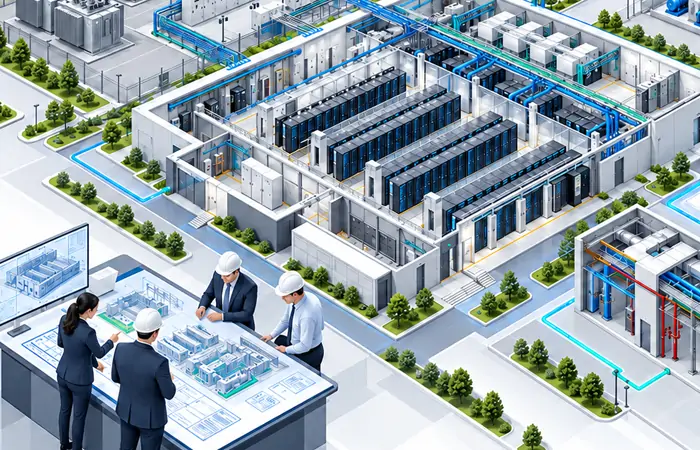
Our teams coordinate equipment and facility requirements across mechanical, piping, civil, structural, electrical, instrumentation and HVAC disciplines. We help define the infrastructure needed for each production change, with engineering deliverables aligned to vendor inputs, phased installation and the plant’s operating schedule.
Engineering Coordination for Chicago Plant Projects
We develop models, drawings and specifications against the agreed design basis, client standards and applicable ASME, ANSI, AISC and NFPA requirements. API and TEMA standards are incorporated where relevant to the equipment and process. For existing-plant work, our reviews address service connections, equipment supports, access and fire protection, with approved changes reflected across the affected disciplines.

Industries We Support in Chicago
From food-processing facilities in the Stockyards Industrial Corridor to vehicle assembly on the city’s Southeast Side, Chicago supports a broad range of production environments. Our plant engineering services connect equipment layouts with utilities and supporting structures, helping owners plan expansions, replacements and process changes around the needs of each operation.
Oil and Gas/ LNG
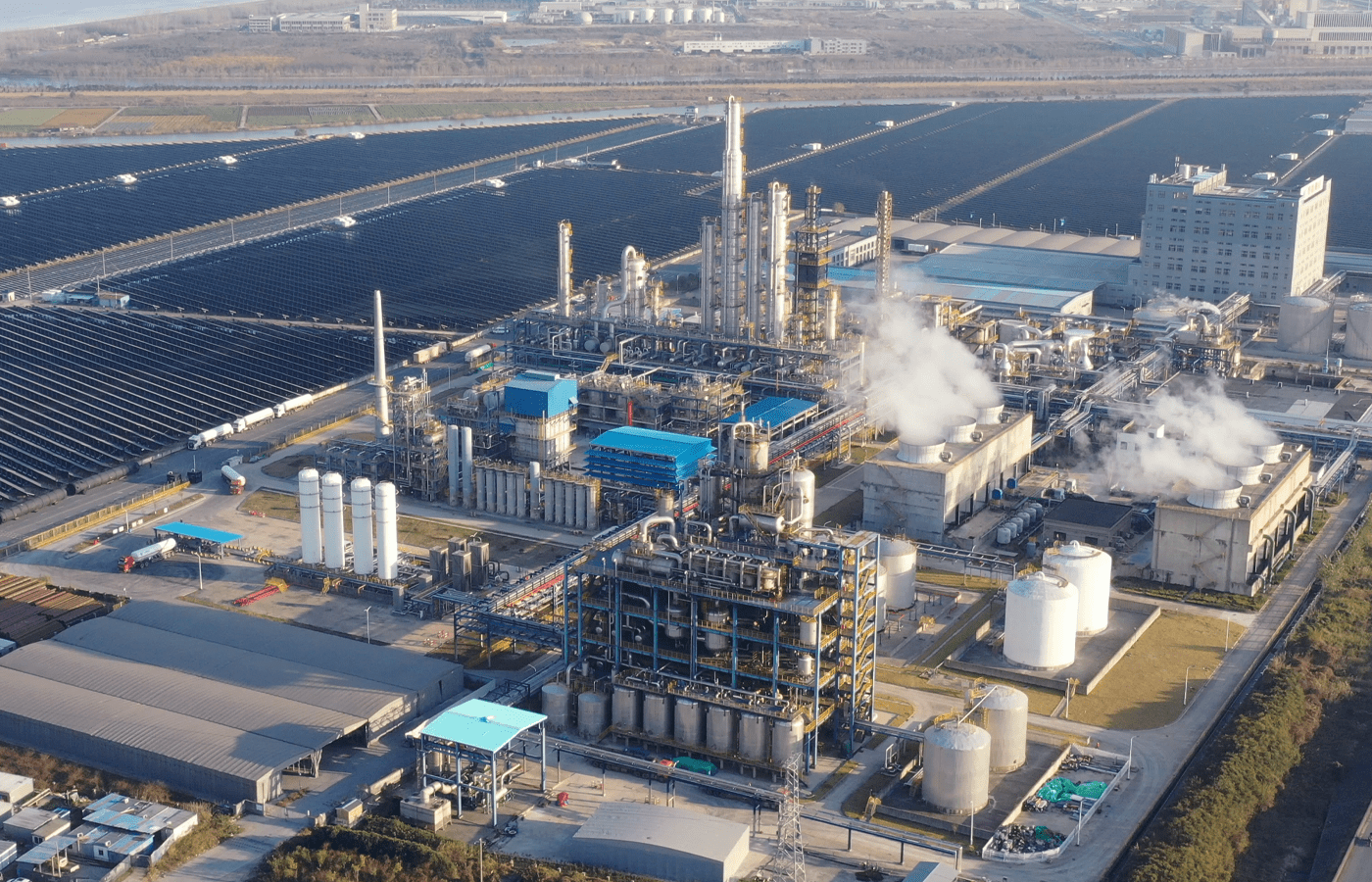
The Chicago region’s refining infrastructure includes Whiting, in northwest Indiana. We assist refinery, terminal and gas-processing projects with equipment layouts, piping, utility integration and brownfield tie-in engineering. Our scope also covers LNG packages, with vendor information coordinated against plant connections, maintenance access and installation requirements.

Chemicals / Petrochemicals
For chemical-processing and blending facilities, product changes can affect equipment duty, service requirements and the connections between process stages. We support modifications through coordinated piping, equipment layouts and utility engineering, helping owners assess what can be retained and what needs to change within the existing plant.

Discrete Manufacturing
Chicago’s transportation-equipment sector includes vehicle assembly on Torrence Avenue, alongside a wider regional base of metalworking and industrial manufacturers. We support equipment integration and facility upgrades with coordinated layouts, utility routes and structural interfaces, accounting for installation access and maintenance space around production equipment.

Power and Utilities
For Chicago’s food and process manufacturers, utility requirements can vary between production, cleaning and changeover. We support steam, cooling-water, compressed-air and electrical integration, assessing the demands placed on shared systems and coordinating the distribution changes needed for new lines or additional processing equipment.

Mining and Minerals
We support mineral processing projects with plant layouts, equipment integration, utility systems and structural coordination. Engineering reviews address the interfaces between vendor packages and site infrastructure, including access for maintenance, equipment replacement and installation within new facilities or existing operating areas.

F&B
Chicago’s Stockyards Industrial Corridor remains home to food manufacturing, within a much larger regional processing industry. We support production and packaging upgrades with equipment layouts, utility connections and HVAC coordination, incorporating hygiene requirements, cleaning access and the installation sequence needed to work alongside existing operations.

Renewable Energy
Our balance-of-plant engineering supports renewable energy facilities through equipment-package integration and multidisciplinary coordination. We develop layouts, utility connections and technical deliverables that bring mechanical, structural, electrical and control-system requirements together, with provision for maintenance access, construction sequencing and connections to existing infrastructure.

Pharma (API)
The Chicago region’s life-sciences sector includes pharmaceutical and medicine manufacturing. For API facility projects, we support equipment layouts, utilities, HVAC coordination and engineering documentation. Approved changes are carried through drawings and technical records to support the owner’s design reviews and controlled modification of production areas.

Plant Design and Engineering Services in Chicago
Our plant design services support individual equipment projects, multidisciplinary expansions and continuing engineering programs. We work with your team to define deliverables and review milestones around procurement, construction and production requirements, so the facility scope progresses alongside the equipment and process decisions.
FEED Support
We help establish how a proposed capacity increase affects the wider facility. Our FEED support examines equipment arrangements, utility demand and installation options. For food-processing expansions, reviews consider the connections between processing and packaging, including whether shared services can accommodate the proposed operating and cleaning schedules.

Detailed Engineering
Our detailed engineering services develop coordinated models, drawings, specifications, datasheets and material takeoffs from approved project inputs. We incorporate vendor details and existing-plant information, carrying equipment and layout changes through the affected disciplines before deliverables are issued for procurement, fabrication or construction.

Discipline Engineering
Mechanical, piping, HVAC, civil, structural, electrical, instrumentation and fire protection teams work from coordinated design inputs. Our piping design services address equipment connections, supports and service access, while multidisciplinary reviews resolve conflicts with structures, ductwork and cable routes across production and utility areas.

Procurement Assistance
Processing and packaging equipment may arrive from different suppliers, each with its own connection requirements. We support technical requisitions, bid evaluations and vendor-document reviews to clarify utility loads, foundation interfaces and controls boundaries, helping procurement teams identify gaps between equipment packages and the surrounding plant scope.

Asset Management
We support management of change through engineering impact assessments, equipment and tag updates, and as-built documentation. For plants with repeated line additions or product changes, this work helps keep technical records aligned with installed systems, giving maintenance and project teams a consistent basis for subsequent modifications.

Digital Engineering
We combine discipline models and supplier information to review how proposed equipment fits into the plant. For processing and packaging projects, coordinated reviews address the interfaces between production areas, utility routes and supporting structures. Clash tracking and controlled revisions carry agreed decisions into the drawings used for execution.

Sustenance Engineering
Our brownfield engineering services support recurring equipment replacements, utility upgrades and production-area modifications. We prepare layouts, drawings and technical updates around the operating schedule, identifying connection work and installation tasks that need to be coordinated with maintenance periods, cleaning cycles or planned production stoppages.

Special Studies
We support feasibility, energy-efficiency and constructability studies for plant upgrades. For Chicago food and process facilities, utility-balance reviews can compare production and cleaning demand, while option studies assess heat recovery, equipment arrangements and installation requirements. The findings help owners define project scope and evaluate alternatives before committing to detailed design.

Plant 3D Modeling
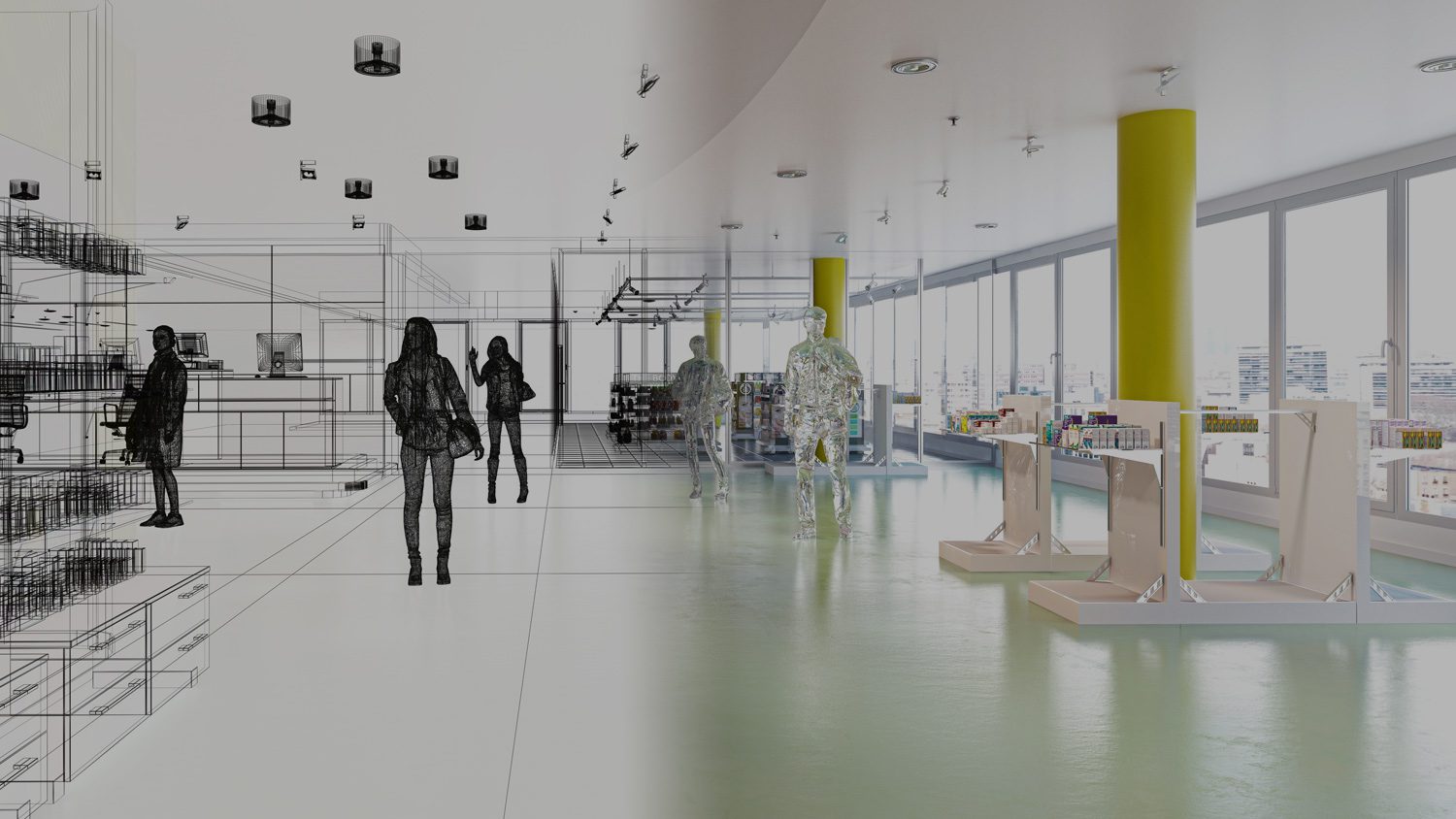
Our plant 3D modeling services bring verified site inputs, equipment packages and proposed services into a coordinated model. We review operating clearances, maintenance access and installation routes alongside piping, structures and utilities, supporting skid integration and drawing extraction for new developments and existing-plant modifications.

Talk to Our Experts Today



Explore Our Resources
We nurture knowledge sharing and vouch for the power of continuous learning. Stay updated with our latest industry insights, case studies and events.