

4
February, 2025
Top Trends in Plant Engineering for EPC Projects in 2025
Engineering, Procurement, and Construction (EPC) projects are rapidly evolving due to technological advancements, sustainability demands, and the need for efficiency. As we move into 2025, plant engineering is undergoing significant transformations driven by digitalization, automation, and eco-friendly innovations. This blog explores the top trends shaping plant engineering for EPC projects in 2025, providing insights into the future of industrial infrastructure development.
- Digital Twin Technology for Enhanced Project Management
- Real-time monitoring and predictive maintenance
- Improved decision-making through data-driven insights
- Reduced downtime and operational costs
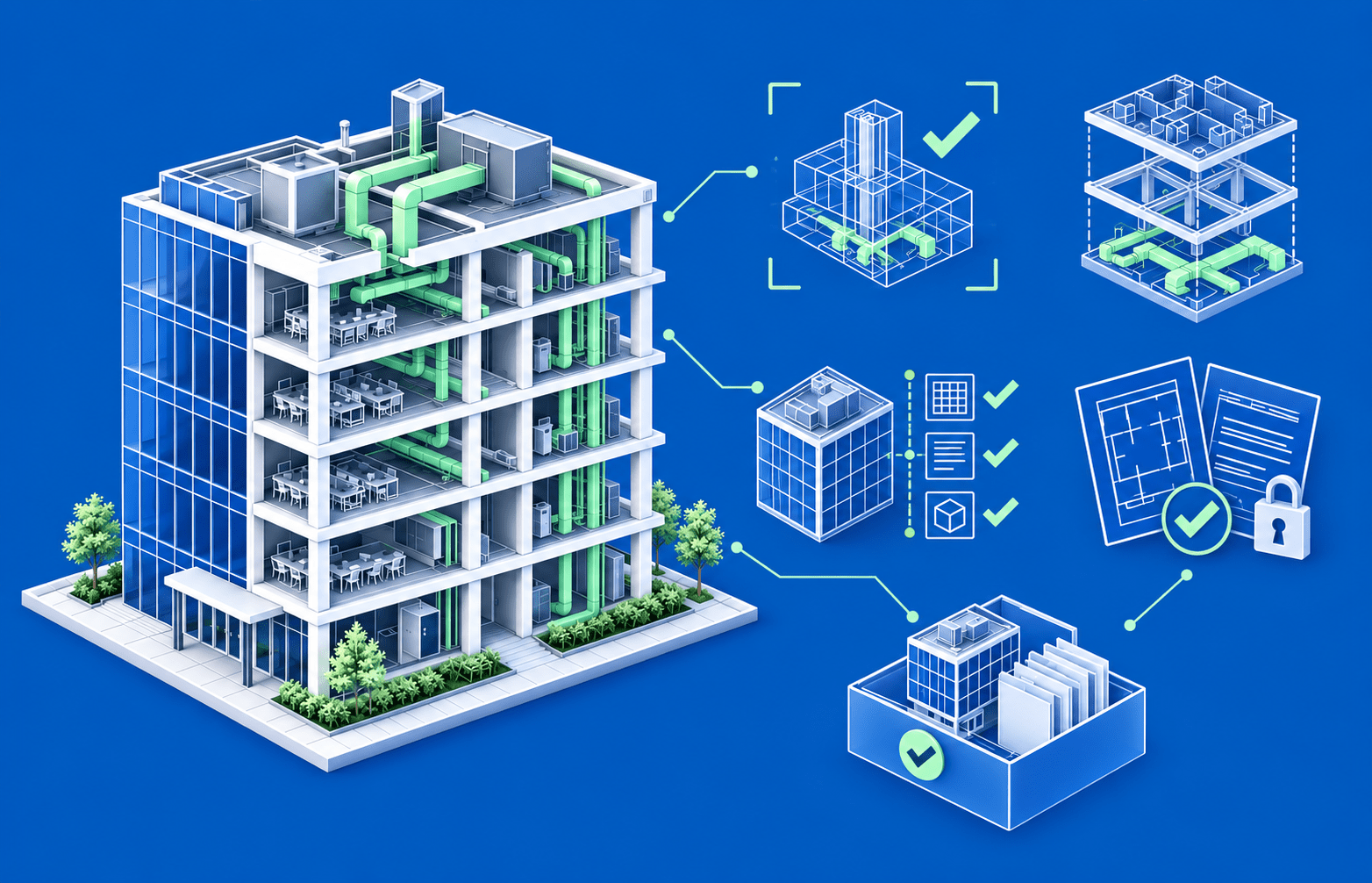
- Advanced Building Information Modeling (BIM) for Seamless Collaboration
- Improved clash detection and error minimization
- Enhanced design accuracy and efficiency
- Better lifecycle management of plants
- Artificial Intelligence (AI) and Machine Learning (ML) in Process Optimization
- Predictive analytics for risk mitigation
- AI-driven automation for improved safety and efficiency
- Intelligent robotics for maintenance and inspections
- Sustainable and Green Engineering Practices
- Use of renewable energy sources in plant operations
- Water and waste management solutions to minimize environmental impact
- Carbon capture and utilization (CCU) technologies to reduce emissions
- Modular Construction and Prefabrication for Faster Project Execution
- Faster on-site assembly, reducing project timelines
- Lower material wastage and improved quality control
- Enhanced safety by minimizing on-site labor exposure
- Industrial IoT (IIoT) for Smart Plant Operations
- Real-time asset tracking and performance analytics
- Remote diagnostics for predictive maintenance
- Enhanced cybersecurity to protect critical infrastructure
- 3D Printing for Rapid Prototyping and Customization
- Rapid prototyping of complex components
- Cost-effective customization of plant equipment
- On-demand production, reducing inventory costs
- Resilient Supply Chain Strategies
- Diversified sourcing strategies to mitigate risks
- Blockchain technology for transparent procurement tracking
- AI-driven supply chain management for better forecasting
- Augmented Reality (AR) and Virtual Reality (VR) for Training and Maintenance
- Immersive training simulations for workers
- Remote troubleshooting and repair guidance
- Improved safety through hazard identification and response simulations
- Decentralized Energy Solutions and Microgrids
- Integration of microgrids to enhance energy resilience
- Use of battery storage systems for uninterrupted operations
- Smart grid technologies for efficient energy distribution