
19
June, 2026
What Plant Owners Should Expect from a Multi-Discipline Engineering Partner
Capital projects often lose control before construction even begins. A global analysis of 532 projects found average cost overruns of at least 79% and schedule delays of 52% compared to initial estimates. For industrial owners, this makes engineering quality a business-critical priority.
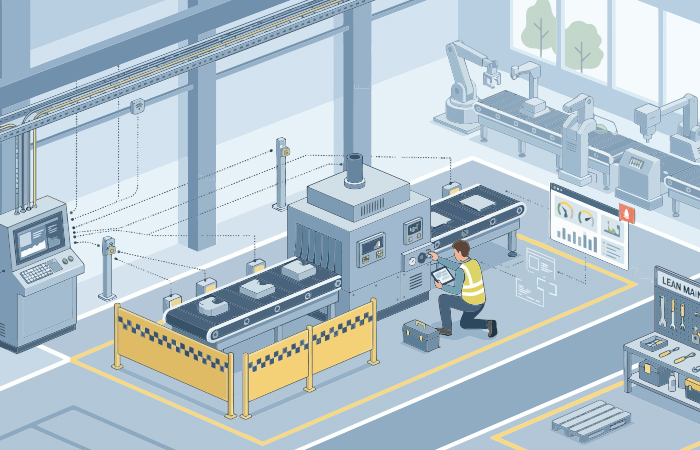
Plant engineering services are not limited to creating layouts and drawings. They influence how efficiently a facility is built, how safely it operates, how easily it can be maintained, and how well it can adapt to future changes.
This is why owners need a multi-discipline engineering partner who can connect process needs, site realities, utilities, structures, safety, documentation and execution.
Why Plant Engineering Services Matter
Industrial plants are connected systems. A decision in one area can affect several others.
For example:
- A piping route can affect maintenance access.
- Equipment placement can affect structural loads.
- Utility routing can affect construction sequencing.
- Electrical and instrumentation layouts can affect safety and uptime.
- Poor as-built documentation can delay future upgrades.
When engineering is handled in silos, these issues often appear late, usually during procurement, construction or commissioning. By then, corrections are more expensive and disruptive.
Well-planned plant engineering services help owners reduce these risks by improving coordination across disciplines from the early stages of the project.
What a Multi-Discipline Engineering Partner Should Deliver
A strong plant engineering company should bring more than drafting capacity. It should support owners across design, coordination, validation, documentation and execution readiness.
Key deliverables often include:
- Plant layout and general arrangement drawings
- Piping layouts and isometrics
- Equipment layouts and integration support
- Civil and structural engineering inputs
- Utility system design and routing
- Electrical and instrumentation coordination
- Fire and safety engineering support
- Material take-offs and BOMs
- As-built documentation
- 3D models and clash coordination
- Engineering support for modifications and upgrades
The real value lies in how these outputs work together.
1. Strong Understanding of Plant Operations
A plant engineering partner must understand how the facility will operate after commissioning. This includes process flow, operator movement, material handling, maintenance access, safety zones and future expansion needs.
Owners should expect the engineering team to ask practical questions early:
- How will equipment be accessed for maintenance?
- Where are the critical utilities?
- Which areas need special safety attention?
- What are the shutdown constraints?
- Are future expansions likely?
- Are existing drawings reliable?
- What site conditions can affect execution?
These questions help engineering teams design for real operating conditions, not only for drawing completion.
2. Better Layout and Equipment Integration
Plant layout engineering directly affects safety, efficiency and long-term usability. A good layout supports smooth process flow, safe movement, maintenance access, installation sequencing and future modifications.
For industrial owners, layout planning should cover:
- Equipment spacing
- Pipe racks and utility corridors
- Access platforms and walkways
- Lifting and maintenance clearances
- Fire and emergency routes
- Storage and handling areas
- Control rooms and electrical rooms
- Expansion space
Equipment integration is equally important. Many facilities use packages from different vendors. Each package comes with its own footprint, loads, utility needs and access requirements. A multi-discipline engineering partner helps bring these packages together within the larger plant environment.
3. Multi-Discipline Coordination
Plant engineering involves several connected disciplines. Piping depends on structural support. Mechanical equipment depends on foundations. Electrical systems depend on cable routes and room layouts. Instrumentation depends on access, process points and control logic.
This is why interdisciplinary coordination is critical.
Owners should look for engineering partners who can manage:
- Piping and mechanical coordination
- Civil and structural alignment
- Electrical and instrumentation integration
- Utility routing
- Fire and safety requirements
- Vendor package interfaces
- Construction and maintenance access
- Design change control
Regular interdisciplinary reviews, 3D model checks and clash reviews can help reduce site rework.
4. Constructability from the Start
A design that looks good on paper may still be difficult to build. Constructability must be part of plant engineering from the beginning.
This is especially important for brownfield projects, where teams must work around existing assets, live utilities, space restrictions and shutdown windows.
A constructability-focused engineering partner considers:
- Site access
- Installation sequence
- Lifting feasibility
- Tie-in points
- Prefabrication opportunities
- Temporary supports
- Shutdown planning
- Safety during execution
This helps owners reduce last-minute design changes and avoidable delays at site.
5. Maintainability and Safety
Owners operate the plant long after the project team has moved on. So, maintainability and safety should be treated as design priorities.
A maintainable design makes it easier to inspect, repair and replace equipment. It considers access to valves, pumps, motors, instruments, filters, heat exchangers, platforms and lifting points.
Safety-focused engineering considers:
- Escape routes
- Working-at-height risks
- Hazardous zones
- Fire protection
- Ventilation
- Emergency access
- Equipment isolation
- Operator exposure
- Load paths and structural safety
These decisions affect uptime, compliance and day-to-day plant performance.
6. Reliable Engineering Documentation
Documentation is one of the most important parts of plant engineering services. Poor documentation can slow down maintenance, audits, troubleshooting and future modifications.
Owners should expect accurate and controlled documentation, including:
- P&IDs
- Layout drawings
- General arrangement drawings
- Piping isometrics
- Equipment lists
- Line lists
- Cable schedules
- Datasheets
- BOMs
- Manuals
- As-built records
Good documentation improves traceability. It also reduces dependency on informal site knowledge, which can become a major risk during upgrades or ownership transitions.
7. Digital Engineering and Plant Data
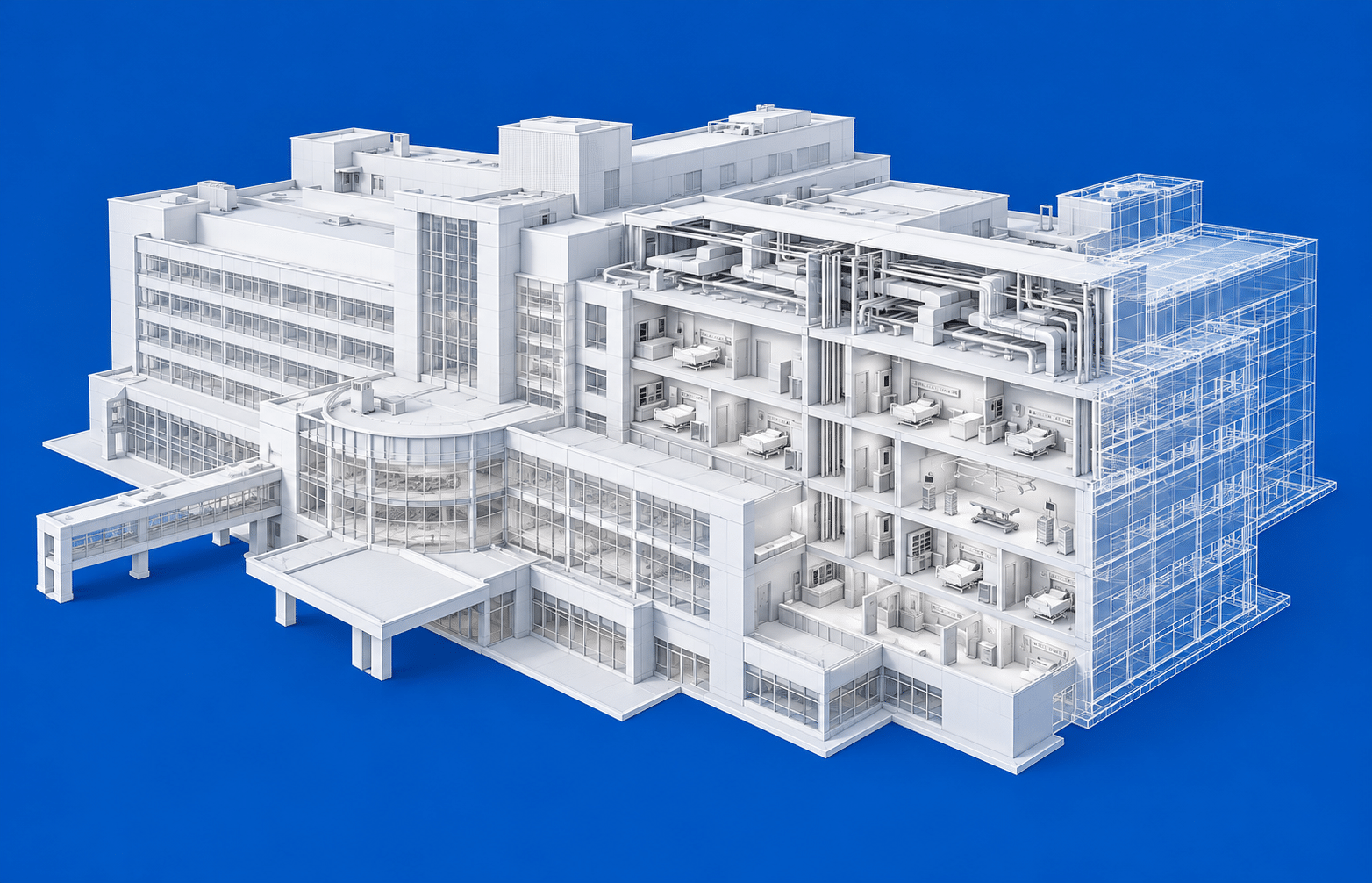
Digital tools are now central to industrial plant engineering. 3D modeling, BIM, laser scanning, digital twins and asset data systems can improve project visibility and lifecycle performance.
However, digital engineering should support decision-making, not just visualization.
Used well, digital tools can help owners:
- Detect clashes before construction
- Improve brownfield accuracy
- Plan equipment access
- Review maintenance clearances
- Coordinate multiple disciplines
- Support asset information handover
- Improve future modification planning
The best results come when digital workflows are connected to engineering judgment and site realities.
8. Scalable Delivery and Clear Governance
Plant projects often move through changing workloads. Early engineering may need a small expert team. Detailed engineering may need larger execution support. Later phases may need documentation updates, as-built changes or sustenance engineering.
A plant engineering partner should be able to scale while maintaining quality.
Owners should evaluate:
- Team structure
- Review process
- Communication rhythm
- Quality checks
- Change control
- Project governance
- Documentation standards
- Data security
- Ability to support long-term programs
This is especially important for companies managing multiple plants or recurring engineering workloads.
What Owners Should Ask Before Choosing a Partner
Before selecting a plant engineering services provider, owners should ask:
- Do they understand plant operations and site constraints?
- Can they manage multi-discipline coordination?
- Do they have experience with greenfield and brownfield projects?
- Can they support constructability and maintainability reviews?
- How do they manage engineering documentation?
- Can they work with existing plant data and as-built records?
- Do they use 3D modeling or digital engineering where required?
- Can they scale teams across different project phases?
- How strong is their quality and change-control process?
- Can they support both project delivery and lifecycle engineering?
These questions help owners choose a partner who can improve outcomes, not just deliver drawings.
Engineering That Supports the Full Plant Lifecycle
Plant engineering services play a direct role in project cost, safety, construction readiness, operational reliability and long-term asset performance. For owners, the right partner brings connected thinking across disciplines, systems and project phases.
At TAAL Tech, we support plant owners, EPCs and industrial companies with multi-discipline plant engineering services across layouts, utilities, piping, structures, controls, safety systems, brownfield modifications, debottlenecking, documentation and digital engineering workflows.
Our focus is simple: helping industrial teams design, modify and manage plants that are safer, more practical, easier to maintain and ready for real operating conditions.