
Precision engineering for your plant’s instrumentation triumph
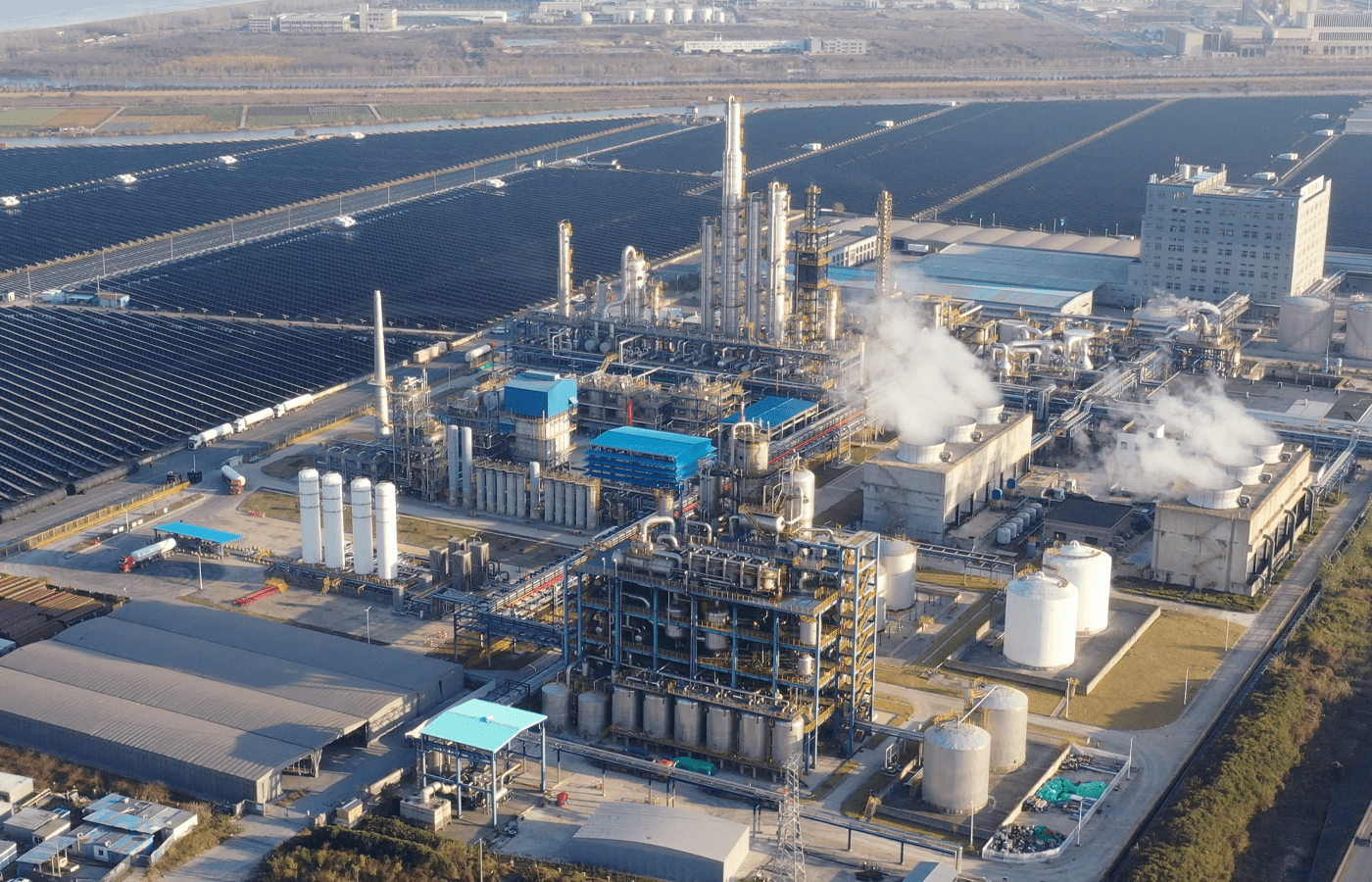
In the field of instrumentation engineering for industrial facilities, various tasks and considerations are undertaken to ensure the effective monitoring, control, and automation of processes. Our seasoned team of instrumentation engineers excels in designing, implementing, and maintaining precision instrumentation solutions. We prioritize accuracy, reliability, and compliance with industry standards, offering comprehensive support in areas such as process control, automation, and data acquisition. Leveraging advanced technologies, TAAL Tech ensures seamless integration of cutting-edge instrumentation to enhance plant efficiency and safety.
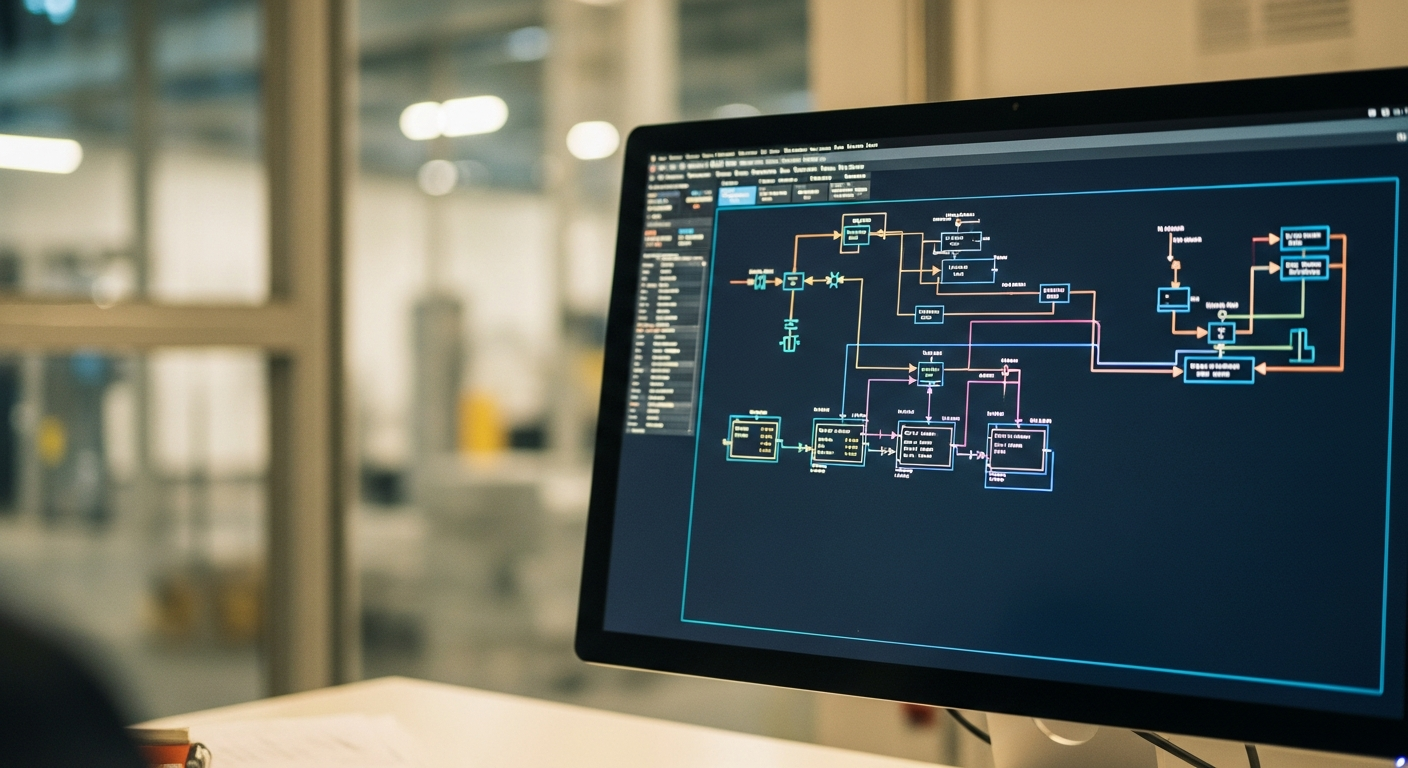
Control Loops and Logic Diagrams
Control System Designing that include control loops for regulating and maintaining desired process parameters. Translating process and instrumentation diagrams (P&IDs) into detailed control loop diagrams and logic diagrams. Specifying and selecting appropriate instruments (sensors, actuators, controllers) for control loops. Developing logic diagrams to illustrate the sequencing and interlocking of control devices and processes.
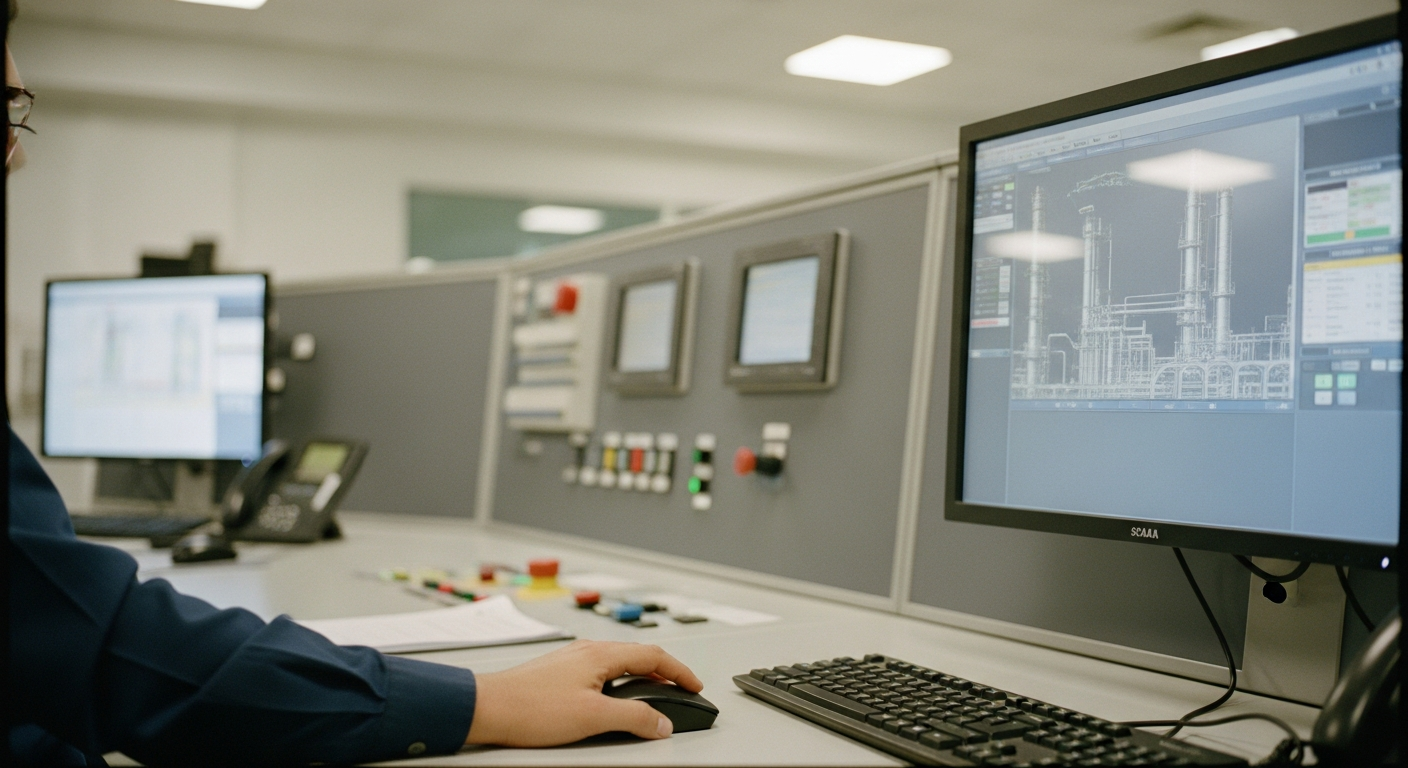
Supervisory Control and Data Acquisition (SCADA) Systems
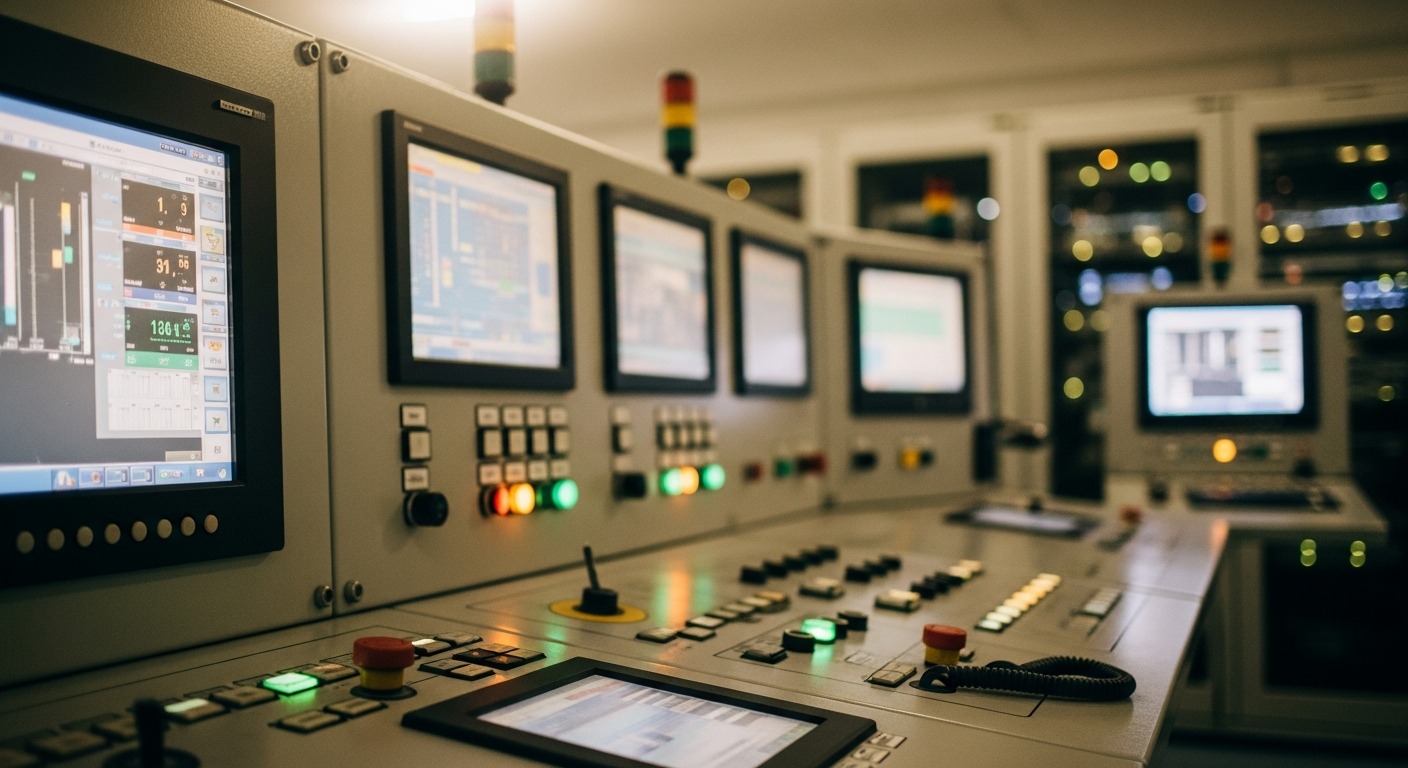
Designing the architecture of SCADA systems to facilitate real-time monitoring, data acquisition, and control of processes. Specifying communication protocols and network architectures to connect field instruments to the SCADA system. Human-Machine Interface (HMI) Designing for operators to monitor and control industrial processes. Implementing alarm and event management systems within SCADA to promptly notify operators of critical conditions. Setting up of historical data logging systems for the storage and retrieval of historical process data for analysis and reporting.
Location Plans
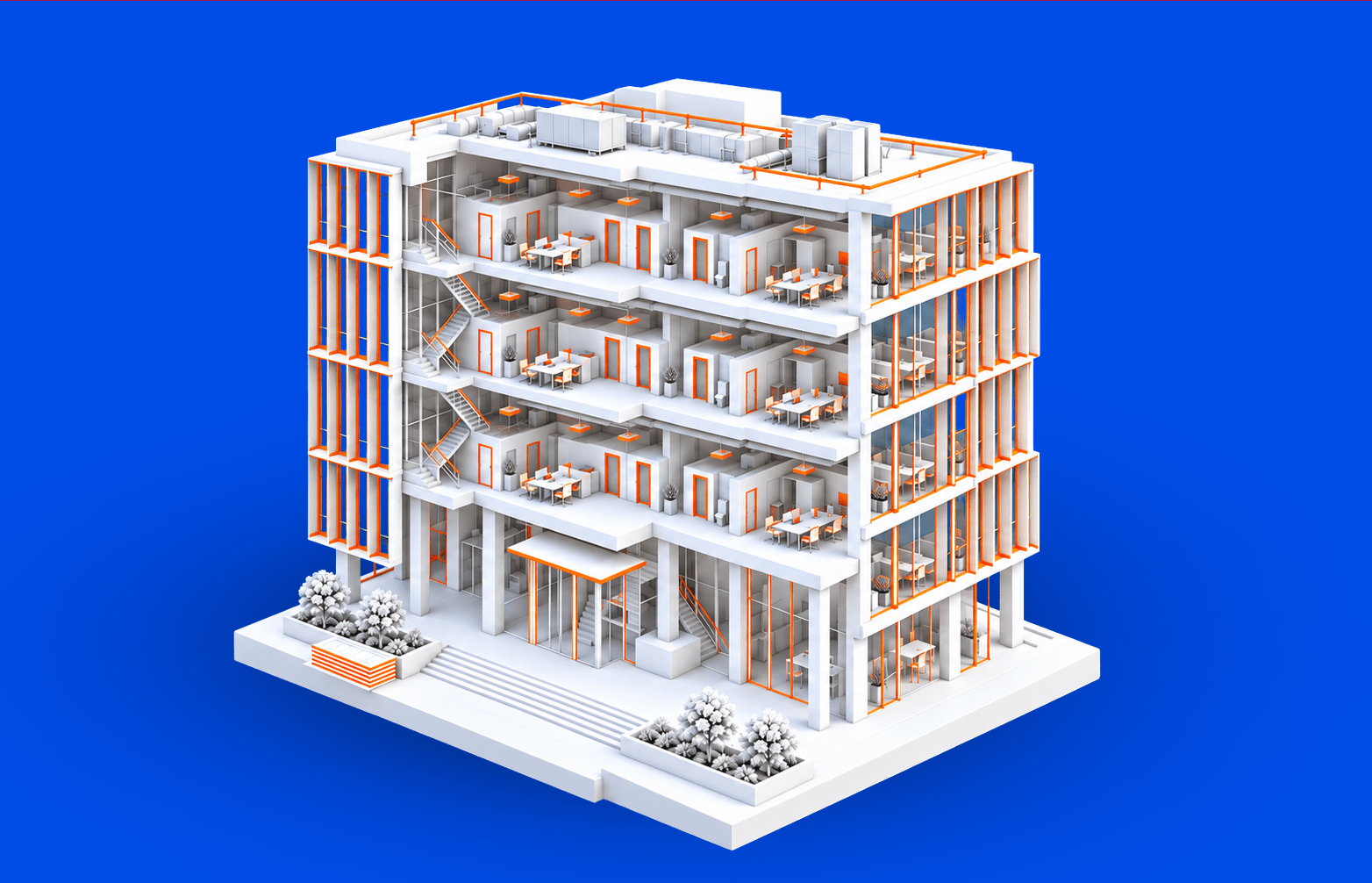
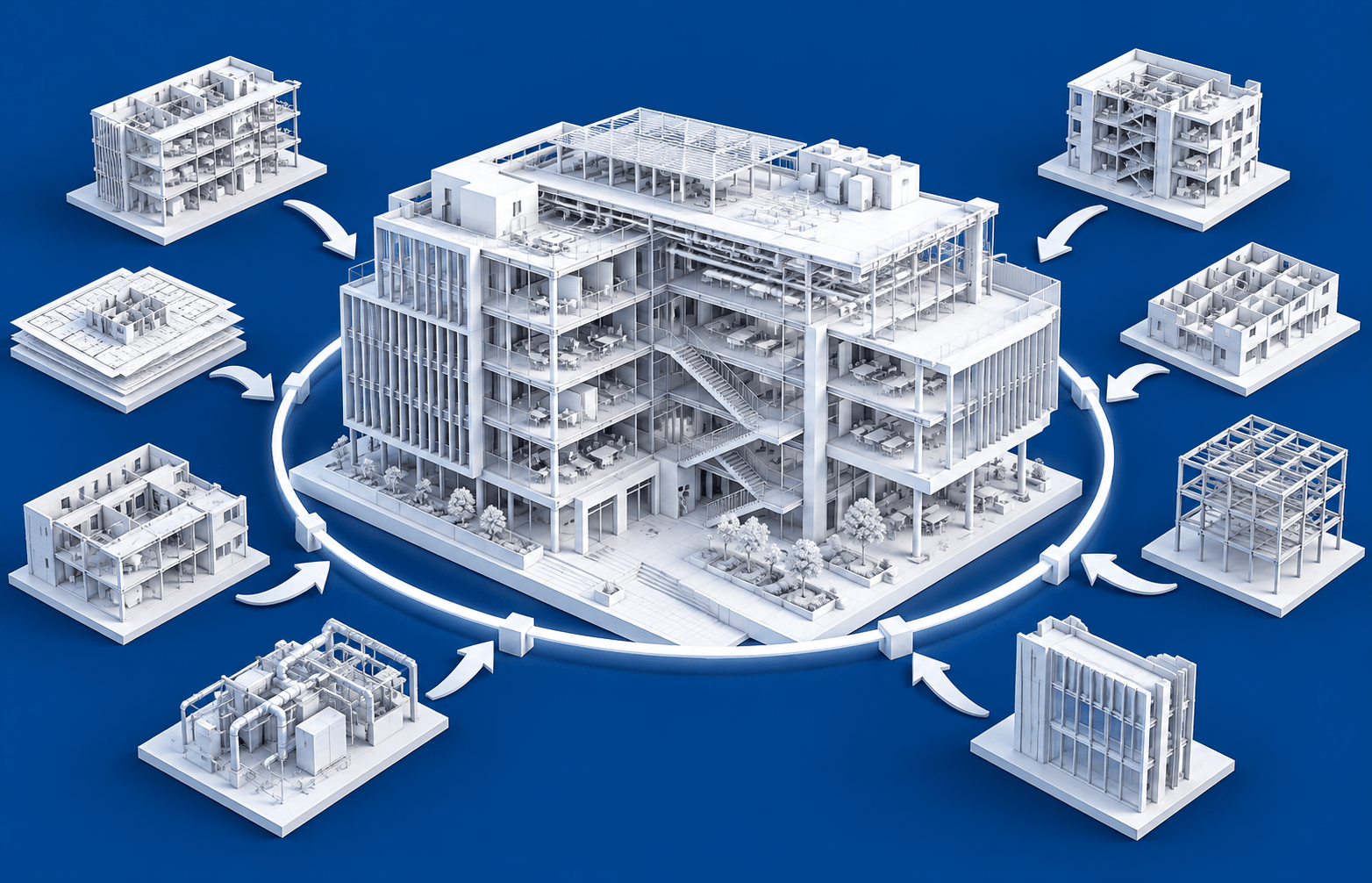
Instrument Location Planning throughout the facility, considering accessibility, safety, and optimal measurement or control points. Equipment Layout Integration to ensure seamless coordination with other engineering disciplines.
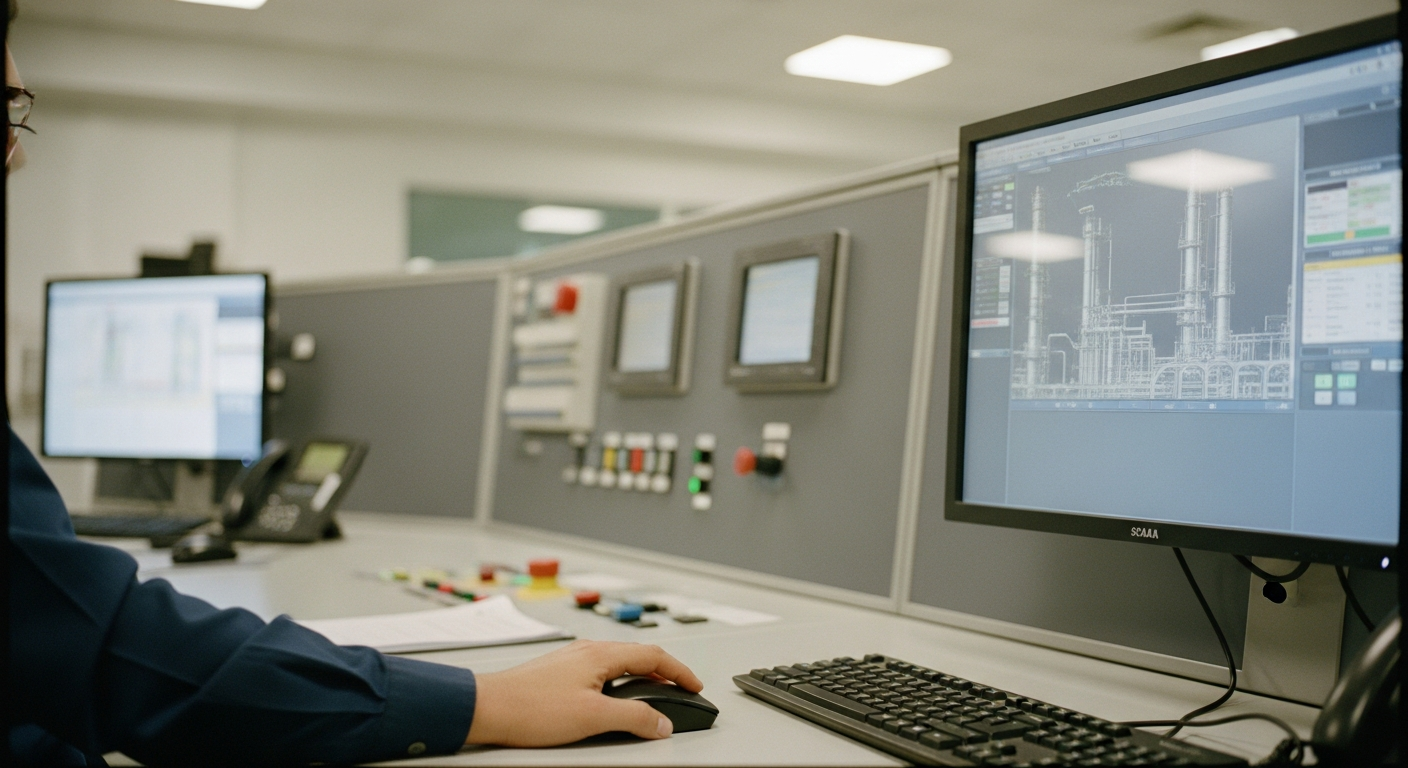
Instrumentation Specification
Specifying the type and specifications of instruments required for measuring and controlling process variables. Developing Instrument Data Sheets for each instrument, including technical specifications and installation requirements.
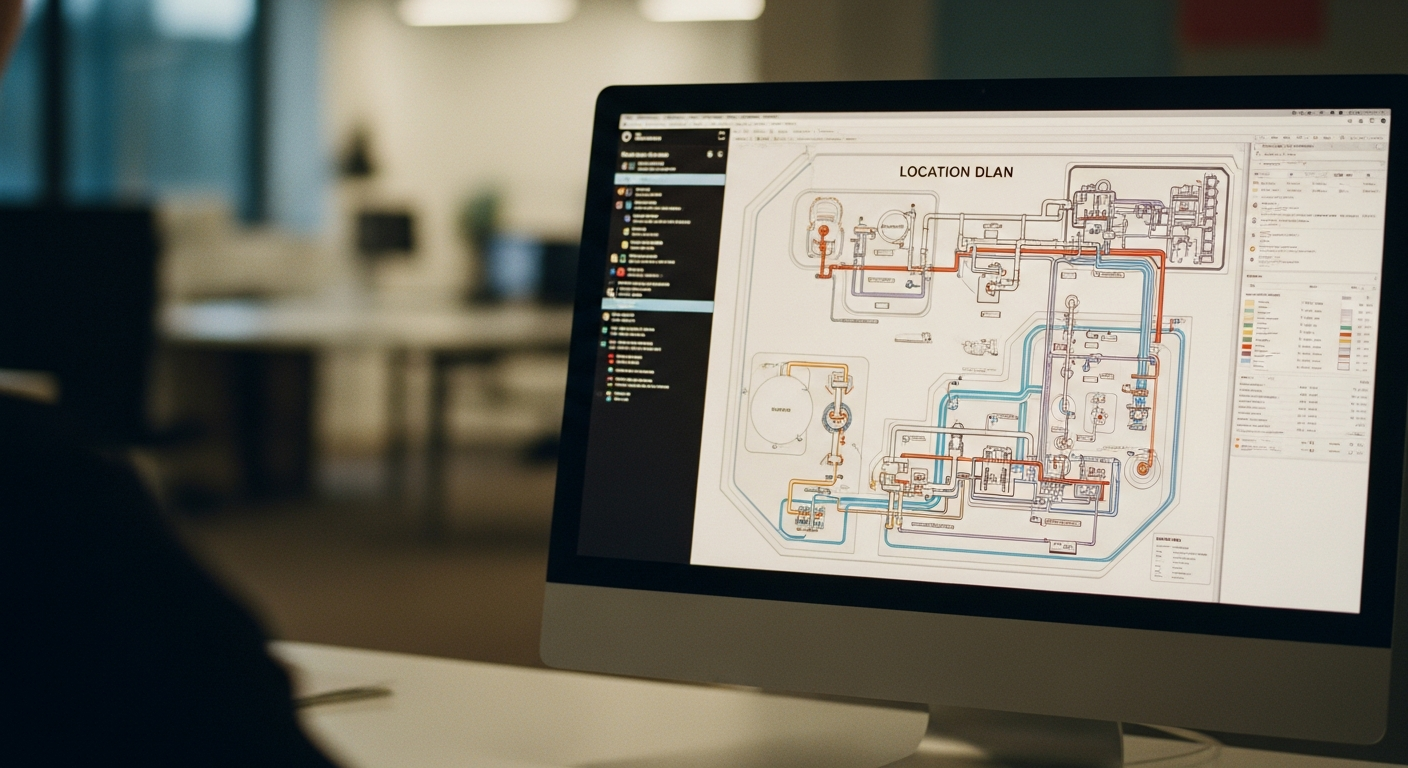
Instrumentation Calibration
Developing calibration procedures for instruments to ensure accurate and reliable measurements. Maintaining documentation of calibration activities for regulatory compliance and quality assurance.
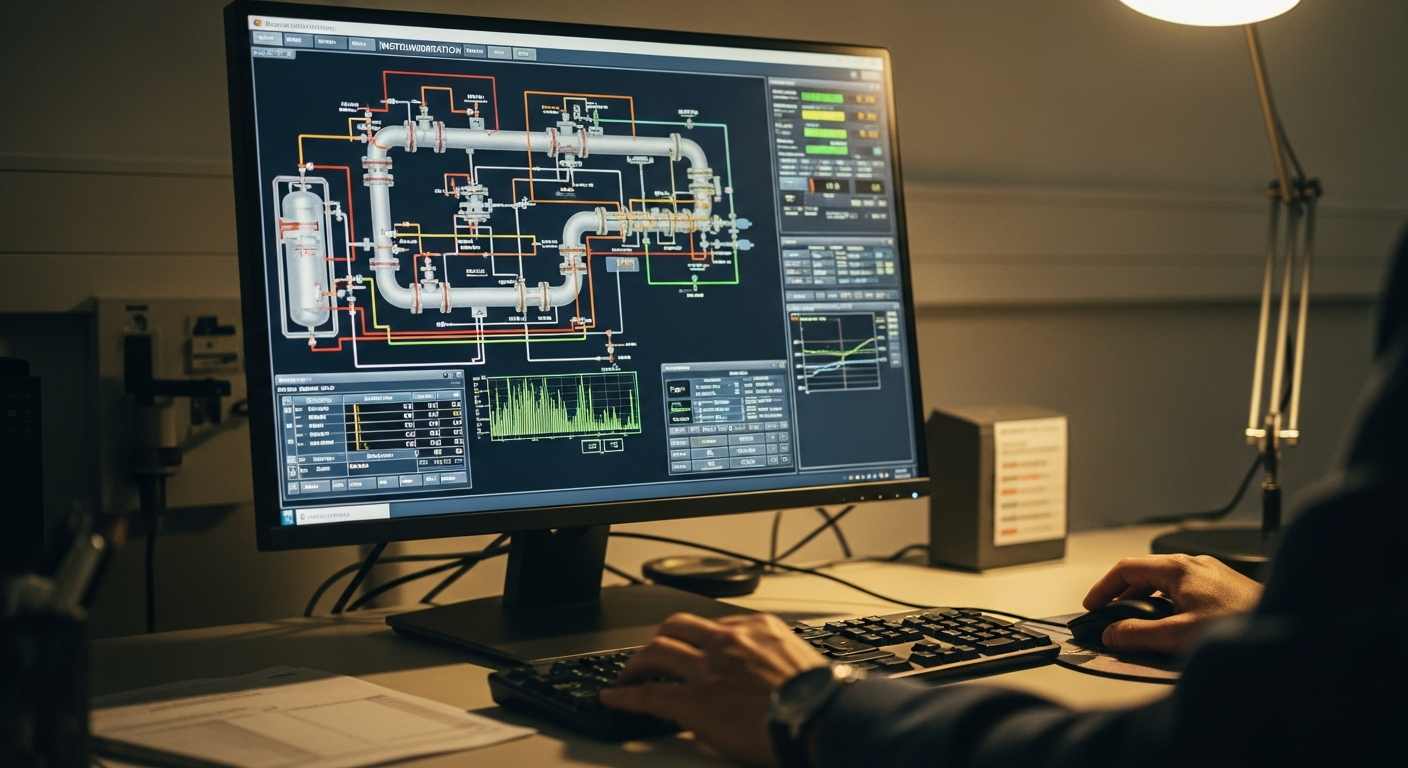
Safety Instrumented Systems (SIS)
Designing safety instrumented systems for critical safety functions. Performing functional safety analyses, including Hazard and Operability Studies (HAZOP) and Safety Integrity Level (SIL) assessments.
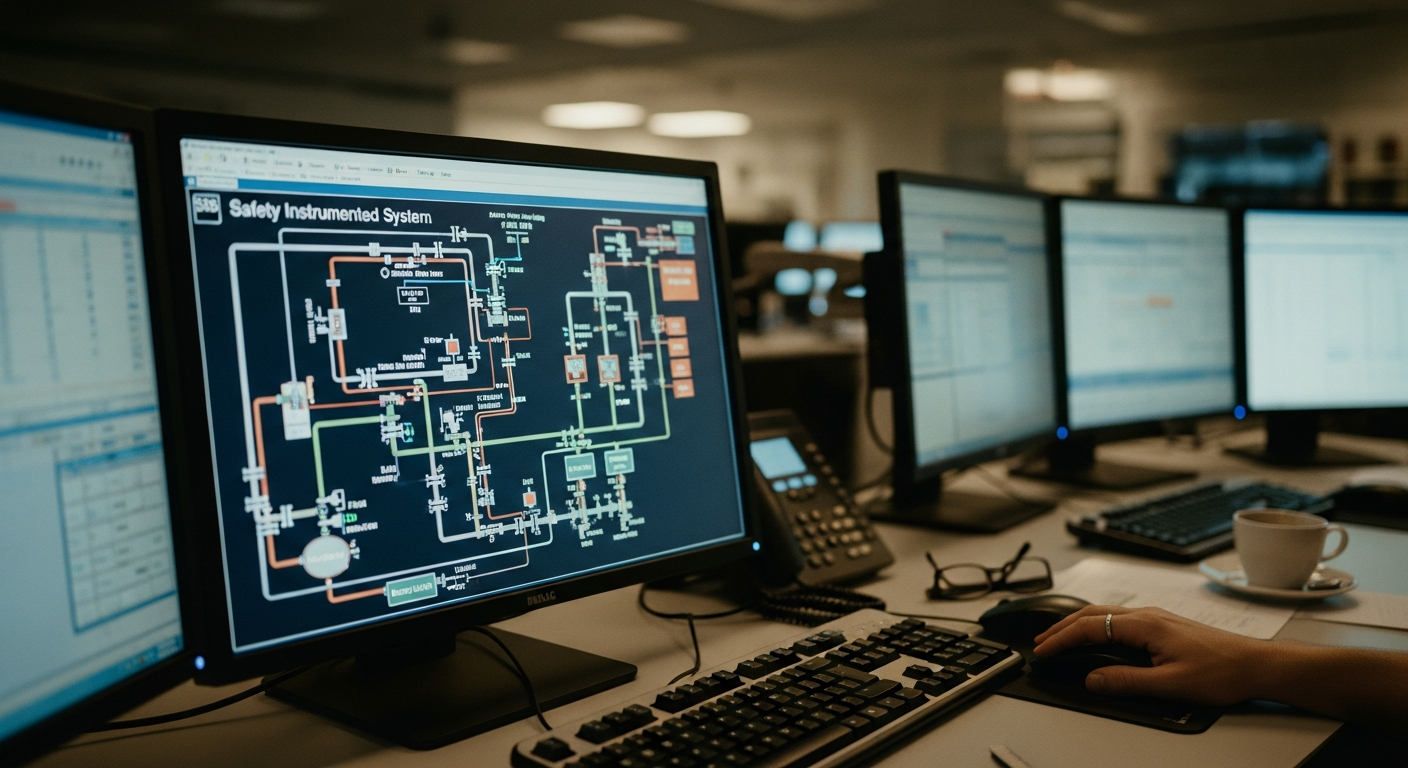
Instrumentation Interface with Control Systems
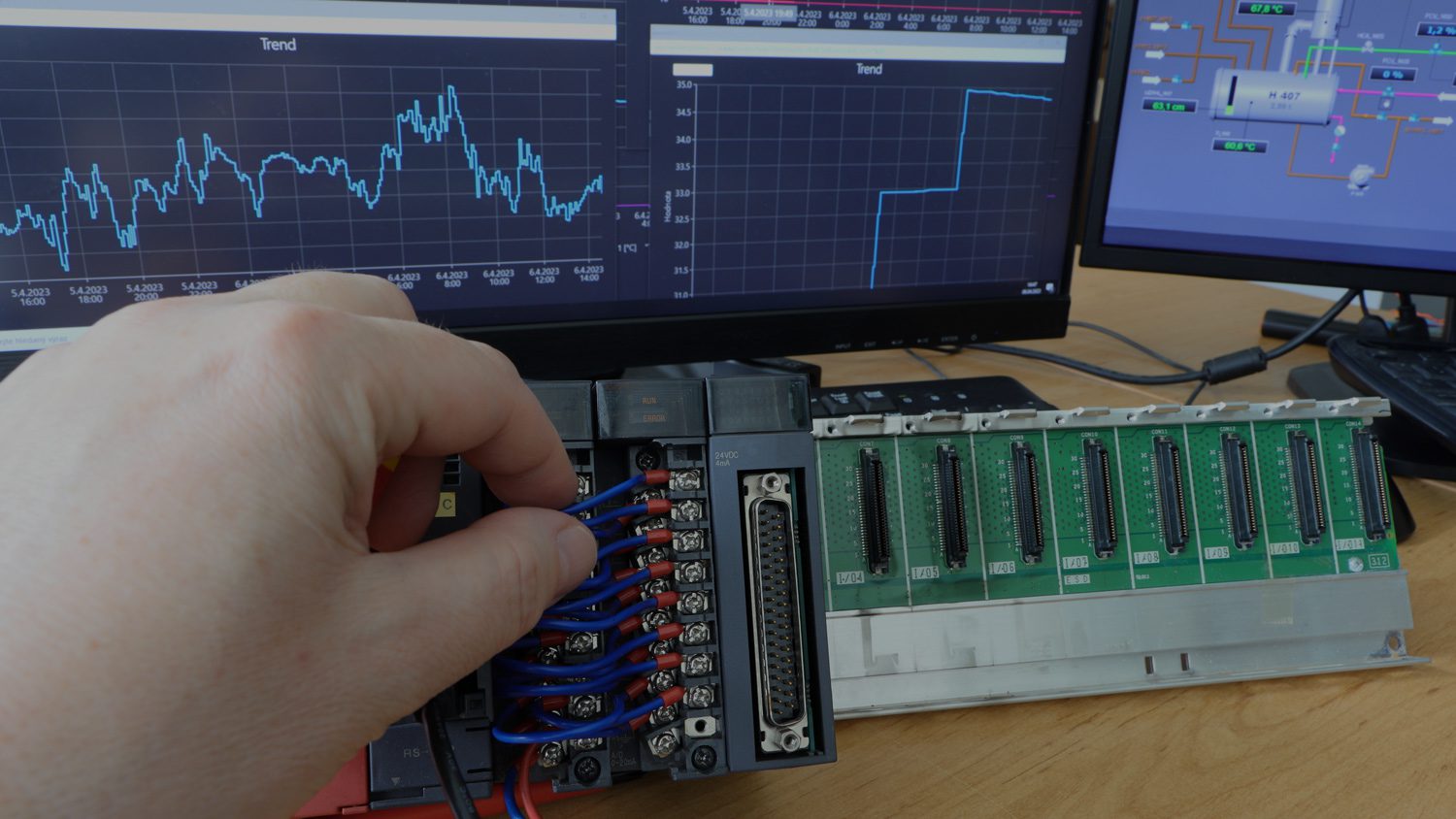
Collaborating with programmable logic controller (PLC) and distributed control system (DCS) engineers to integrate instrumentation with control systems. Configuring input/output (I/O) points to ensure seamless communication between field instruments and control systems.
Instrumentation Documentation
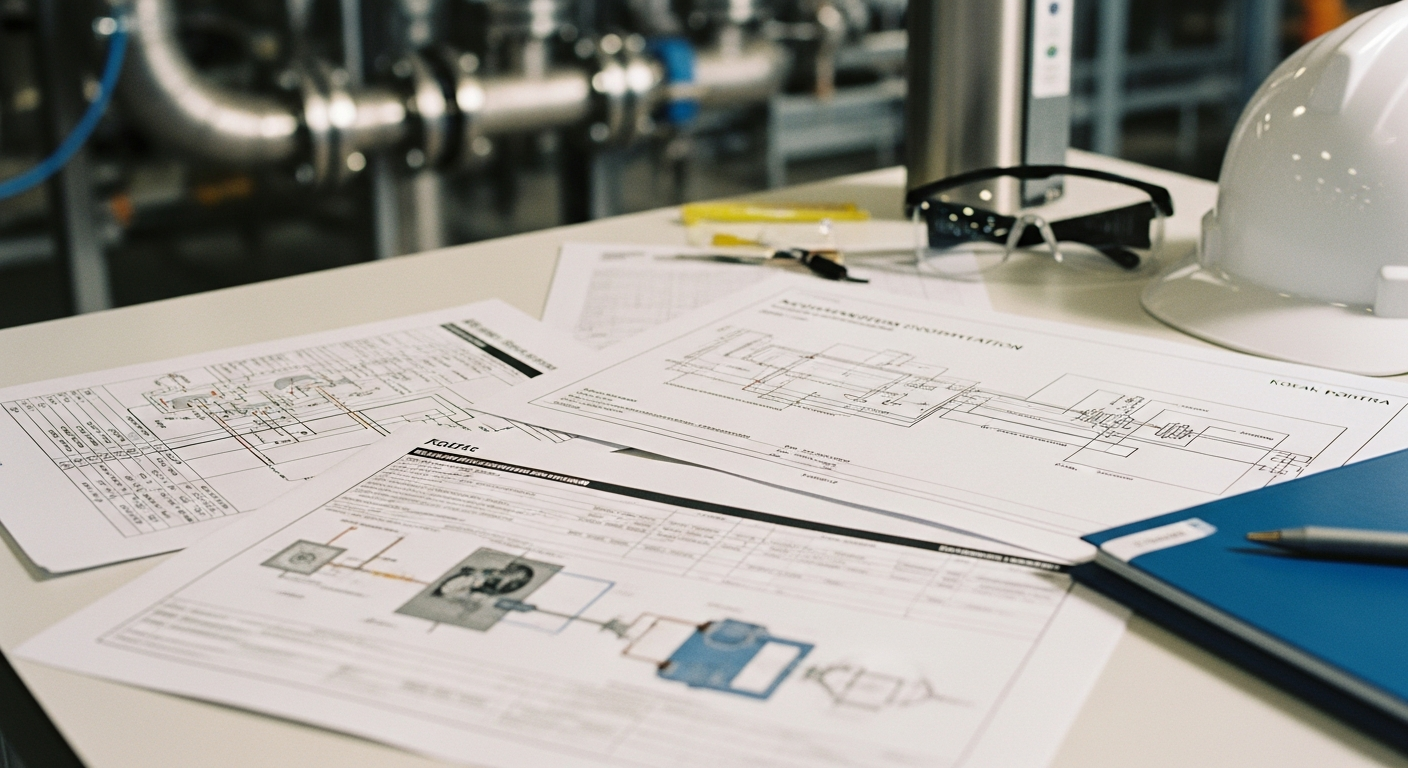
Developing as-built documentation reflecting the final configuration of instrumentation and control systems. Preparing comprehensive operation and maintenance manuals for instrumentation and control systems.
Regulatory Compliance
Ensuring that instrumentation designs comply with relevant codes and standards. Preparing documentation to demonstrate compliance with regulatory requirements.

Client Collaboration
Working closely with clients to understand specific instrumentation and control requirements, preferences, and project objectives. Incorporating client feedback throughout the design process to meet their expectations.
Talk to Our Experts Today



Explore Our Resources
We nurture knowledge sharing and vouch for the power of continuous learning. Stay updated with our latest industry insights, case studies and events.