29
June, 2026
Digital Twin Technology: How Engineering Data Is Changing Plant and Asset Management
Industrial companies are generating more engineering and operational data than ever before. The challenge is no longer only collecting data. The real challenge is making it usable for maintenance, operations, upgrades and long-term asset decisions.
This is why digital twin technology is gaining momentum. Grand View Research estimates the global digital twin market will reach USD 328.51 billion by 2033, driven by digital transformation, smart factories and cloud-based platforms. For plant owners, the value lies in connecting engineering data with real asset performance.
What Is Digital Twin Technology?
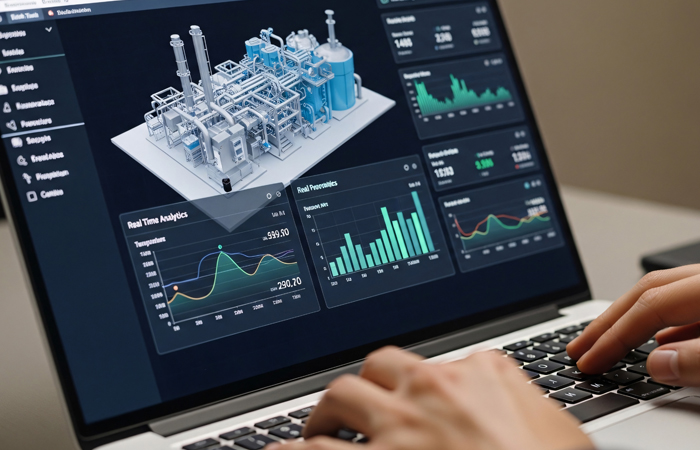
Digital twin technology creates a digital representation of a physical asset, system, process or facility.
In plant and asset management, a digital twin may include:
- 3D models
- Asset data
- Engineering drawings
- Equipment information
- Sensor data
- Maintenance records
- Operating parameters
- Inspection history
- Performance dashboards
- Simulation models
- Document links
A digital twin becomes useful when it helps teams make better decisions across the asset lifecycle.
Why Plants Need Better Data Connectivity
Many industrial plants still depend on scattered data.
Information may be stored across:
- Drawings
- Spreadsheets
- Maintenance systems
- Vendor documents
- Inspection reports
- Control systems
- Emails
- Old project folders
- Paper records
This makes it difficult to find reliable information when teams need to maintain, modify or troubleshoot assets.
Digital twin technology helps connect these information sources into a more structured and usable environment.
1. Better Asset Visibility
A plant digital twin gives teams a clearer view of asset information.
Instead of searching across multiple systems, users can access relevant data through a connected digital model or platform.
This may include:
- Equipment tag numbers
- Location data
- Drawings
- Datasheets
- Maintenance history
- Inspection records
- Spare part information
- Operating conditions
- Vendor documents
Better visibility helps operations and maintenance teams act faster.
2. Improved Maintenance Planning
Digital twin technology can support more informed maintenance decisions.
When asset data, operating data and maintenance history are connected, teams can identify patterns more easily.
This helps with:
- Preventive maintenance
- Predictive maintenance
- Failure analysis
- Spare part planning
- Inspection scheduling
- Shutdown planning
- Equipment replacement decisions
The goal is to reduce unexpected downtime and improve asset reliability.
3. Faster Plant Modifications
Plant modifications often take longer when drawings and asset data are outdated.
Before making changes, engineering teams need to answer basic questions:
- What equipment is installed?
- Where are the tie-in points?
- Are the drawings accurate?
- What utilities are connected?
- What space is available?
- Which assets will be affected?
- Are there safety constraints?
A digital twin can make this information easier to access and verify.
This is especially useful for brownfield upgrades, debottlenecking, capacity expansion and utility modifications.
4. Stronger Engineering Handover
Many projects lose value during handover because engineering data is incomplete, inconsistent or difficult to use.
Digital twin technology can improve handover by connecting:
- 3D models
- As-built drawings
- Equipment lists
- P&IDs
- Datasheets
- O&M manuals
- Asset registers
- Inspection requirements
- Maintenance plans
This gives owners more usable information after commissioning.
5. Better Safety and Risk Management
A digital twin can support safety planning by improving visibility of plant systems and asset conditions.
It can help teams review:
- Access routes
- Hazardous zones
- Fire and safety systems
- Emergency response areas
- Isolation points
- Confined spaces
- Critical equipment
- Inspection records
When teams have accurate asset data, they can plan work more safely and reduce uncertainty during site activities.
6. Support for Performance Optimization
Digital twin technology can also support performance improvement.
By connecting asset data with operational data, teams can identify:
- Energy inefficiencies
- Underperforming equipment
- Process bottlenecks
- Abnormal operating patterns
- Maintenance triggers
- Capacity constraints
- Reliability risks
This helps plant teams move from reactive decision-making to data-driven asset management.
What Data Is Needed for a Plant Digital Twin?
A digital twin depends on reliable data. Common inputs include:
- 3D models
- P&IDs
- Layout drawings
- Equipment lists
- Tag data
- Line lists
- Cable schedules
- Vendor documents
- O&M manuals
- Sensor data
- Maintenance records
- Inspection data
- As-built documentation
The quality of the digital twin depends on the quality of the data behind it.
Digital Twin Technology Is a Journey
A digital twin does not need to start as a large transformation project. Many companies begin with specific use cases.
Examples include:
- Creating a digital asset register.
- Connecting 3D models with equipment data.
- Digitizing as-built documentation.
- Building a twin for critical equipment.
- Supporting maintenance planning.
- Creating a twin for one plant area.
- Using scan data for brownfield accuracy.
Starting small allows teams to prove value before scaling.
Common Mistakes to Avoid
Digital twin projects can fail when teams focus too much on technology and too little on data quality.
Common mistakes include:
- Starting without a clear use case
- Using incomplete asset data
- Ignoring as-built accuracy
- Not involving operations teams
- Building models that are hard to maintain
- Disconnecting engineering data from maintenance systems
- Treating the digital twin as a one-time project
- Not defining ownership of data updates
A useful digital twin must stay current and connected to real workflows.
What to Look for in a Digital Twin Partner
Before selecting a digital twin technology partner, companies should ask:
- Do they understand plant engineering?
- Can they work with existing drawings and models?
- Can they support as-built data development?
- Do they understand asset management workflows?
- Can they connect engineering data with operations data?
- Can they support phased implementation?
- How do they manage data quality?
- Can they work with 3D models, BIM and scan data?
- Can they support documentation control?
- Can they help maintain the twin over time?
The right partner should understand both technology and plant operations.
At TAAL Tech, we support industrial companies with digital twin technology across plant engineering, asset management, BIM, as-built documentation, 3D modeling and lifecycle engineering workflows.
Our teams help organize engineering data, develop digital models, improve documentation accuracy and support asset information handover.
The focus is to help plant owners and operators use engineering data more effectively for maintenance, modification, safety and long-term performance decisions.